If you’ve ever stood on your apartment balcony holding a half-dead plant and wondered what you did wrong, you’re not alone. North-facing balconies and shaded outdoor spaces are notoriously tricky. The gardening advice you find online almost always assumes you have sunshine pouring in for at least six hours a day. But what if you don’t?
Living with a shady balcony can feel like a gardening curse at first. You bring home a cheerful potted plant from the nursery, set it outside with hope in your heart, and watch it slowly fade into a sad, leggy version of itself. The problem isn’t you. The problem is that most popular plants are sun lovers, and the typical advice simply doesn’t apply to low light situations.
Here’s the good news: a shady balcony is not a lost cause. Plenty of plants actually prefer indirect sunlight or can handle shadier conditions beautifully. Some will even thank you for keeping them out of harsh afternoon rays. The trick is knowing which plants to choose and how to care for them in a way that works with the light you have, not against it.
You don’t need to become an expert or invest in expensive equipment. You just need to shift your approach slightly and work with what your balcony naturally offers. Once you do that, apartment gardening on a north-facing balcony becomes less frustrating and a lot more rewarding.
Figure out what kind of shade you actually have
Not all shade is created equal. A balcony tucked under a deep overhang feels completely different from one that gets soft morning glow but no direct sun. Before you buy a single plant, spend a day watching how light moves across your space.
Bright shade is what you get when there’s plenty of ambient light bouncing around, but no sun rays actually hitting the ground. Think of a spot shaded by a building but still open to the sky. It feels airy and well-lit, almost like being indoors near a big window. This is the easiest shade to work with.
Dappled light happens when sunlight filters through something like a pergola, tree branches, or slatted screens. You’ll see shifting patterns of sun and shadow throughout the day. It’s gentler than full sun but brighter than solid shade.
Deep shade is the trickiest. This is where your balcony sits under a thick overhang, faces a narrow courtyard, or gets blocked by nearby buildings. Even at noon, it feels dim. Reflected light from pale walls or neighboring windows might be your only real brightness.
Pay attention to timing, too. Morning light is cooler and softer than harsh afternoon sun. A north-facing balcony in the northern hemisphere stays consistently shaded, while an east-facing one might get gentle early rays. Seasons matter as well. That sliver of winter sun might disappear completely once trees leaf out or the sun sits higher in summer.
Two shady balconies on the same street can behave like entirely different climates. That’s why observation beats guesswork every time.
Choose plants that can handle real low light outdoors
Here’s the truth about shade plants: they won’t explode with flowers or produce baskets full of tomatoes. What they will do is survive, grow steadily, and look good doing it. That’s actually a win when you’re working with a shady balcony.
Start with foliage plants if you want guaranteed success. Hostas, ferns, and heuchera thrive in low light and give you interesting leaf shapes and colors without needing sun. They’re tough, forgiving, and actually prefer shade to bright conditions. Coleus is another winner with wild color patterns that pop even without direct sunlight.
If you want flowers, keep your expectations realistic. Shade-tolerant doesn’t mean shade-loving for most blooming plants. Impatiens and begonias will flower in shade, but you’ll get fewer blooms than the photos on the nursery tag. They’ll also grow a bit taller and leggier as they stretch toward whatever light they can find. That’s normal, not failure.
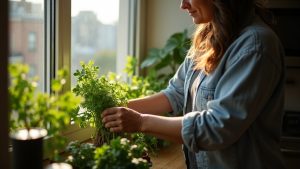
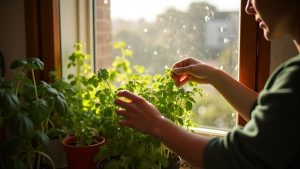
For edibles, focus on leafy greens and herbs that tolerate partial shade. Lettuce, spinach, and arugula actually appreciate some shade during hot months. Parsley, cilantro, and mint will grow in low light too, just more slowly than their sun-soaked cousins. Don’t bother with basil or peppers in deep shade.
One warning: indoor low light plants like pothos or snake plants might seem perfect, but outdoor balconies are harsher. Wind, temperature swings, and rain can stress plants that evolved for stable indoor life. Stick with plants bred for outdoor shade conditions, and you’ll have much better luck.
Set up pots and soil so roots stay healthy in shade
The biggest mistake people make with shady balcony gardening is treating their plants like they’re in full sun. When your balcony doesn’t get much light, the soil stays wet much longer. Plants grow slower in shade, so they drink less water. That means the moisture just sits there.
This is why drainage matters so much. Every single pot needs drainage holes in the bottom. Not just one tiny hole, but several good-sized ones. If water can’t escape, roots sit in soggy soil and rot. It’s that simple.
Smaller pots actually work better in shade than you’d think. A huge pot full of soil will stay wet for days or even weeks, which most plants hate. A smaller pot dries out faster and gives roots a chance to breathe. You can always move up a size later if the plant outgrows its home.
The material matters too. Plastic pots hold moisture longer, which can be a problem in low light. Terracotta or unglazed ceramic pots let air pass through the sides, helping soil dry out between waterings. They’re heavier and more fragile, but they make overwatering much harder.
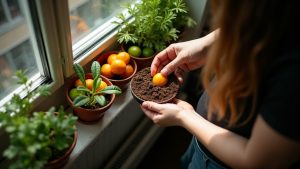
Now for the soil itself. Never use garden soil in containers. It’s meant for the ground, where it can spread out and drain naturally. In a pot, it compacts into a dense, airless brick that roots can’t penetrate. You want potting mix, which feels light and fluffy when you squeeze it. It should spring back when you let go, not clump into a hard ball.
Good potting mix looks chunky, with visible bits of bark or perlite mixed in. Those white specks you see are perlite, which creates tiny air pockets so water can drain and roots can breathe. That airy structure is exactly what container plants need to stay healthy in shade.
Water less by schedule and more by what the pot tells you
The biggest mistake on a shady balcony is watering too much. Without direct sun, soil stays wet longer. Plants drink less. That twice-a-week schedule you read about? Ignore it. Your pots will tell you what they need if you know how to listen.
Stick your finger into the soil up to your second knuckle. If it feels damp, wait. If it feels dry, water. This simple test beats any calendar. You can also lift the pot. A dry pot feels surprisingly light compared to a freshly watered one. After a few weeks, you’ll recognize the weight difference without thinking.
Shade-loving plants like evenly moist soil, but that doesn’t mean soggy. Evenly moist feels like a wrung-out sponge. Staying wet means your finger comes out muddy or water pools on the surface. That’s trouble.
Yellow leaves and drooping can mean both overwatering and underwatering, which is maddening. The difference is in the soil. If the leaves are yellow and the soil is wet, you’re drowning the roots. If the leaves droop and the soil is bone dry, you waited too long. Check the pot first, then decide.
Even on a shady balcony, things can dry out fast. A hot day with wind can pull moisture from small pots in hours. A sudden heat wave changes everything temporarily. Terra cotta pots breathe and dry faster than plastic. Pay attention when conditions shift, and check more often during weird weather.
Trust your hands more than the calendar. Your plants will thank you.
Use light feeding and simple pruning to keep plants compact
Plants growing in shade are a bit like people working in dim lighting. They move slower. Everything takes longer. This means they’re not burning through nutrients the way sun-drenched plants do, so they need a lot less fertilizer.
If you feed shade plants like you would tomatoes or geraniums in full sun, you’ll push them to grow faster than the available light can support. The result is weak, stretched-out stems and pale leaves that flop over. It’s called leggy growth, and it happens when a plant tries to reach for light it can’t quite find.
Instead, feed lightly and less often. If a fertilizer label says to feed every two weeks, try once a month at half strength. Watch your plants. If new leaves come in smaller or paler than usual, they might be genuinely hungry. But most shade plants do just fine with very modest feeding.
Pruning helps too, especially if you notice stems getting long and sparse. Pinching off the growing tips of stems encourages the plant to branch out lower down, creating a fuller shape instead of a tall, thin one. Just use your fingers or small scissors to snip right above a set of leaves.
That said, some shade plants naturally grow loose and open. Ferns, for example, won’t become tight little balls no matter what you do. Don’t fight their nature. If a plant wants to drape or sprawl a bit, let it. The goal isn’t perfection. It’s keeping things healthy and reasonably tidy without forcing growth that the light can’t sustain.
Handle the balcony stressors that shade doesn’t fix
Here’s the twist that catches most people off guard: shady balconies can still be surprisingly harsh places for plants. Just because you don’t have scorching sun doesn’t mean your plants are living in gentle, calm conditions.
Balconies often turn into wind tunnels, especially if you’re several floors up or positioned between buildings. That constant breeze dries out soil fast and can batter delicate leaves until they look shredded. Even shade-loving plants struggle when they’re getting whipped around all day.
Then there’s the trapped heat problem. Concrete or brick walls soak up warmth during the day and radiate it back at your plants. Your shady corner might feel cool to you in the morning, but by afternoon those walls are creating a stuffy microclimate that stresses plants out.
Cold drafts work the opposite way in winter or on cooler nights. That same wind tunnel effect can drop temperatures fast, especially in corners where cold air settles.
The shade itself changes how water behaves too. Shady spots stay damp longer because there’s no sun to dry things out. This sounds great until you realize it means heavier soil, more chance of root rot, and sometimes surprise mold issues.
The fix isn’t complicated. Group your pots together so they shelter each other from wind. Put more delicate plants behind sturdier ones or tuck them closer to walls. If you’ve got an exposed railing spot that gets hammered by weather, save it for tough customers like ivy or hardy ferns. And remember that shady often means you’ll water less than you think, not more.
Read the signals plants give in low light
Plants talk to you, but they use their leaves and stems instead of words. When you’re gardening on a shady balcony, learning to read these signals helps you catch small problems before they turn into dead plants.
Slow growth is completely normal in low light. Your fern isn’t going to shoot up like it would in a sunny window. If everything looks healthy but just stays the same size for weeks, that’s usually fine. Shade plants grow at their own leisurely pace.
Pale or yellowing leaves often mean you’re watering too much. This is the most common mistake in shady balcony gardening. Without strong sun to drink up moisture, soil stays damp much longer. Stick your finger two inches into the soil before watering. If it feels cool and moist, wait a few more days.
When a plant leans hard toward the light source, it’s reaching for more brightness. The easy fix is rotating your pots every week or so. Give each side a turn facing outward. You can also try moving the pot closer to any light-colored walls or surfaces that bounce light around.
Leaf drop right after moving plants outdoors happens because even shade outside feels different than indoor light. The shift in temperature and air movement can shock them a bit. This usually stops within a week or two as they adjust. Just keep the soil consistently moist during the transition.
Soil that stays soggy for days signals poor airflow or too much water. Space your pots apart so air can circulate between them. Consider switching to a lighter potting mix that drains faster. And again, water less often than you think you should. Shady spots need a lighter touch with the watering can.
Adjust expectations and care as the seasons shift
Your shady balcony isn’t equally shady all year long. As the sun’s path changes with the seasons, you might notice subtle shifts in how much light reaches your plants. A north-facing balcony that’s deeply shaded in summer might catch a little more indirect light during winter months when the sun sits lower in the sky. It’s rarely a dramatic difference, but it’s enough to matter.
The bigger change happens with temperature and growth patterns. When autumn arrives and temperatures drop, most plants naturally slow down. They’re not dying—they’re just resting. This means they need far less water than they did during the summer growing season. Check the soil before watering rather than sticking to your old schedule, because overwatering dormant plants is one of the fastest ways to lose them.
You’ll also want to stop or drastically reduce fertilizing once growth slows. Plants don’t need extra nutrients when they’re not actively making new leaves or flowers. Resume feeding when you see fresh growth in spring.
Spring on a balcony can be tricky. The light gets brighter and the days get longer, which makes plants want to grow. But balconies can stay surprisingly cold, especially at night. Don’t rush to move tender plants outside or start seeds too early. Wait until nighttime temperatures are consistently comfortable.
If you have tropical or tender plants that can’t handle cold, bring them indoors before the first chilly nights arrive. Even a brief cold snap can damage plants that are used to warmth. Watch the forecast and plan ahead rather than scrambling at the last minute.