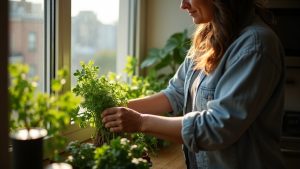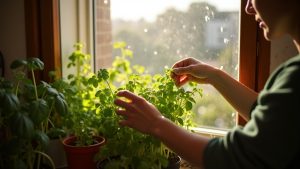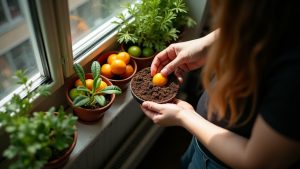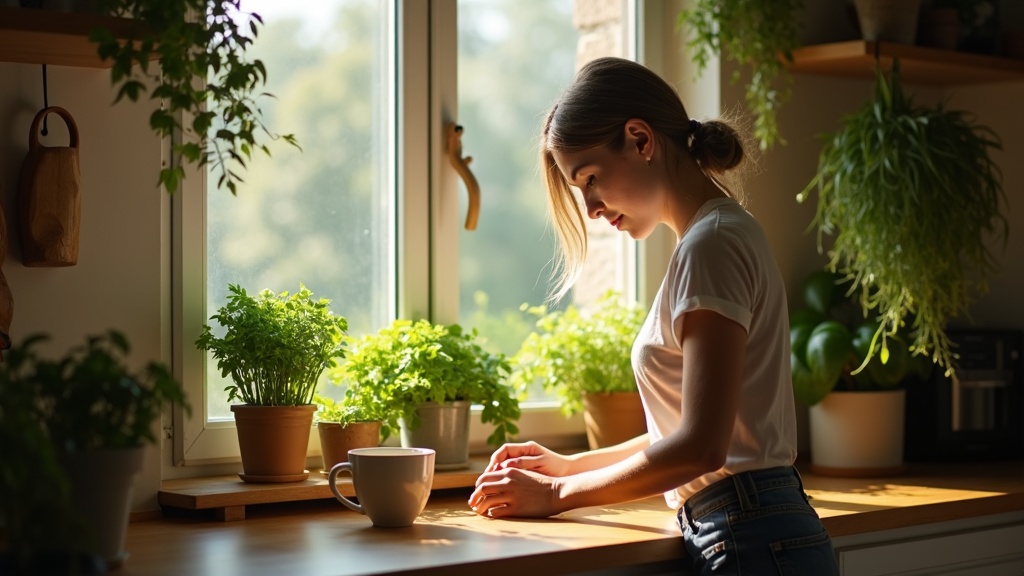
You don’t need a green thumb to grow herbs in your apartment. You don’t even need much space, time, or expertise. The right herbs will forgive your mistakes, survive your busy weeks, and still give you fresh flavor when you need it.
Most apartment herb growing advice assumes you’ll check your plants daily, measure sunlight hours, and follow strict watering schedules. But real life doesn’t work that way. You travel for work. You forget things. Your schedule changes every week.
The good news is that some kitchen herbs actually thrive on neglect. They bounce back after you forget to water them. They tolerate the weird light conditions in most apartments. They don’t need fancy indoor planters or expensive equipment.
This guide focuses on those forgiving champions. These are the herbs that will survive your learning curve and reward you anyway. They’re the ones that made herb gardening beginners feel like naturals, even when they killed their first few plants.
Growing your own herbs won’t just save you money at the grocery store. It changes how you cook. When fresh basil or mint is ten steps away instead of a store trip away, you use it more. Your meals get better without extra effort.
The easiest herbs apartment growers start with are genuinely hard to kill. They want to grow. Your job is simply not to stop them. And that’s a lot easier than it sounds.
Mint is hard to kill and quick to use
Mint is the friend who forgives you when you forget to text back. It bounces back from neglect better than almost any other kitchen herb, which makes it perfect if your schedule is unpredictable or you’re still figuring out the whole watering thing.
The reason mint does so well indoors is simple: it actually prefers a bit of moisture and doesn’t mind if the light isn’t perfect. A bright window is ideal, but mint will tolerate a spot that gets less sun without immediately giving up on life. If you forget to water it and the leaves start to droop, just give it a drink and it’ll perk back up within hours. It’s remarkably forgiving.
Here’s the one rule that matters with mint: keep it in its own pot. Mint spreads aggressively through underground runners, and if you plant it with other herbs, it will bully them out of the way. A single pot keeps it contained and happy. Any basic indoor planter with drainage holes will work fine.
You’ll use mint more than you expect. Toss a few leaves into water or iced tea. Add them to salads for a fresh kick. Muddle them into drinks or scatter them over fruit. The flavor is immediate and needs no cooking, so you can snip and use it in seconds.
The most common beginner mistake is overwatering. Mint likes consistent moisture, but it doesn’t want to sit in a soggy pot. If the leaves start turning yellow or black, you’re probably watering too often. Let the top inch of soil dry out between waterings, and you’ll find the right rhythm quickly. That’s really all there is to it.
Chives give steady wins with little fuss
Chives are the quiet success story of apartment herb growing. They sit there in their pot, looking neat and tidy, and they never throw a tantrum when you forget to water them for a few days. They don’t get leggy or dramatic like basil does, and they bounce back after you cut them without holding a grudge.
What makes chives so beginner-friendly is how they handle neglect. Miss a watering? They’ll forgive you. Window doesn’t get blazing sun all day? They’re fine with that too. They grow in slim, grass-like stalks that stay compact, so they fit happily on a windowsill without sprawling into your coffee mug.
When you’re ready to harvest, just snip from the outside stalks with scissors, leaving the inner ones to keep growing. Cut about an inch above the soil line. The plant keeps producing new growth from the center, so you get a steady supply without ever killing the plant. It’s honestly hard to mess up.
Chives have a mild onion flavor that works in more dishes than you’d expect. Scrambled eggs become instantly better with a sprinkle of fresh chives. Baked potatoes, soups, salads, cream cheese on a bagel—they all benefit from that gentle oniony bite. You can snip them straight into whatever you’re cooking.
The only maintenance worth mentioning is giving the leaves a quick rinse before you use them, since dust can settle on those thin stalks over time. Beyond that, chives ask very little and deliver reliably. For anyone starting their first indoor herb garden, that’s exactly the kind of plant you want on your team.
Parsley is a practical kitchen herb that tolerates learning curves
Parsley shows up in so many recipes that having it on hand actually changes how you cook. You stop skipping the garnish in pasta dishes. You throw it into scrambled eggs without thinking twice. It’s one of those herbs that earns its spot on your windowsill through sheer usefulness.
The plant itself is remarkably forgiving for apartment herb growing. Miss a watering day? It’ll droop a bit and look sad, but it bounces back fast once you water it. That drooping is actually helpful because it tells you exactly when the plant needs attention. No guessing required.
Parsley grows well in indoor planters as long as it gets decent light. A bright window works fine. It won’t shoot up overnight like basil, but it puts out steady growth you can actually use. You’ll notice both flat-leaf and curly varieties at stores. Flat-leaf tastes a bit stronger, but either one works perfectly well in a kitchen.
The key to keeping your parsley plant productive is harvesting it correctly. Cut stems from the outside of the plant, down near the base. Don’t just pinch off the pretty top leaves and leave sad naked stems behind. The plant keeps producing new growth from the center, so taking whole outer stems actually encourages it to keep going.
Never strip more than about a third of the plant at once. Think of it like a haircut, not a shearing. This approach keeps your parsley healthy and growing instead of shocking it into a sulk. With this simple rhythm, one plant keeps you supplied with fresh herbs for months without much fuss.
Woody Mediterranean herbs can handle missed watering
If you’re the type of person who sometimes forgets plants exist for a week or two, Mediterranean herbs are your best friends. Thyme, oregano, and rosemary all come from rocky, sunny places where rain doesn’t show up on a schedule. They’ve adapted to handle dry stretches, which means they won’t punish you for an inconsistent watering routine.
These herbs have woody stems rather than soft, juicy ones. That woodiness helps them store a bit of moisture and bounce back when things get dry. They actually prefer their soil to dry out somewhat between waterings. Keeping them constantly damp is more likely to cause problems than letting them get a little thirsty.
The other advantage is flavor. Mediterranean herbs pack a lot of punch into a small leaf. A few sprigs of thyme or a pinch of oregano goes much further than the same amount of a milder herb like parsley. You don’t need to harvest handfuls to get good flavor in your cooking, which is perfect when you’re growing in a small apartment space.
These herbs do need one thing consistently: bright light. Put them in your sunniest window, the one that gets direct sun for several hours if possible. Without enough light, they get leggy and weak.
For watering, use this simple rule: stick your finger into the soil about an inch down. If it feels dry, water thoroughly until it drains out the bottom. If it still feels moist, leave it alone. You’re aiming for a cycle of wet-then-dry, not constantly damp soil. That’s really all there is to it.
Basil can be easy if you know what trips beginners up
Basil has a reputation problem. Everyone wants it because fresh basil transforms even the simplest pasta or tomato sandwich. But lots of beginners try it indoors and end up with sad, spindly plants that barely produce leaves.
The main issue is light. Basil is genuinely hungry for sunshine in a way that mint or chives just aren’t. If your apartment has a spot that gets direct sun for at least four to five hours a day, you’re in business. Without that, basil will stretch toward the window and grow tall and weak instead of bushy and productive.
Here’s the good news: basil is extremely honest about what it needs. When it’s thirsty, it droops dramatically within hours. Water it, and it perks back up like nothing happened. When it’s not getting enough light, it grows tall with lots of space between leaves. That’s your sign that the spot isn’t bright enough.
The other beginner mistake is treating basil like a houseplant you just let grow. If you don’t harvest regularly, it’ll bolt straight up and try to flower. Once that happens, leaf production basically stops. Instead, pinch off the top sets of leaves every week or so, right above where two smaller leaves branch out. The plant responds by getting bushier instead of taller.
If you have that sunny windowsill and remember to pinch while you’re grabbing leaves for dinner, basil gives you a steady supply of the exact herb you probably use most. It’s not the easiest herb for apartments, but it’s far from impossible if you match it to the right spot.
A simple indoor planter setup that works for most herbs
You don’t need much to get started with apartment herb growing. A small pot with holes in the bottom, a matching saucer to catch water, some basic potting mix, and a bright windowsill will handle most kitchen herbs just fine.
The holes in the bottom matter more than you might think. When you’re new to this, it’s really easy to water too much. Most herbs would rather be a bit too dry than sitting in soggy soil. Those drainage holes let excess water escape into the saucer below, which means your basil won’t drown if you get a little enthusiastic with the watering can.
Regular potting mix from any garden center works well for beginners. It’s already balanced to hold some moisture while letting air reach the roots. You don’t need to mix your own soil or add special ingredients. Save that for later if you get really into this.
One helpful trick is to give each plant its own small pot instead of cramming several herbs together in one container. A six-inch pot is plenty for a single basil or parsley plant. When herbs share tight quarters, they compete for water and light, and it becomes harder to tell what each one actually needs. Separate pots also mean you can move them around to find the best light, or pull one out to water without disturbing the others.
Place your pots near the brightest window you have. Most herbs want several hours of direct sunlight each day. If your apartment doesn’t get much natural light, stick with the more forgiving options like mint or parsley that tolerate some shade.
How to harvest for more leaves instead of a sad, bare plant
The biggest mistake people make is treating their herb plant like a bouquet. They cut off everything at once, throw it in their soup, and then wonder why the plant looks like a sad stick. But here’s the thing: herbs want to keep growing. You just need to give them the chance.
Think of harvesting as a haircut that encourages thickness, not a buzzcut. When you snip the tips of stems, the plant responds by branching out lower down. More branches means more leaves, which means more herbs for you. It’s a pretty good deal.
With basil, pinch off the top few leaves where the stem has a little cluster growing. Don’t scalp it down to the main stem. Just take the tender tip, and the plant will send out two new branches from right below where you pinched. Do this every week or so, and your basil gets bushier instead of taller and scraggly.
For parsley, cut whole stems near the base, but only take a few at a time from the outside of the plant. Leave the center alone so it keeps producing new growth. Same idea with cilantro.
Chives are wonderfully forgiving. Snip what you need with scissors, cutting individual blades down near the soil. They’ll just grow back. You can be a little less precious about it.
The general rule is simple: take a little, often. Never strip more than about a third of the plant at once. If you’re cooking and tempted to grab a huge handful, stop yourself. Your plant needs enough leaves left over to keep doing its job, which is making more leaves for you to eat next week.
Quick fixes for the most common apartment herb problems
Your herb looks sad and you’re not sure why. Don’t panic. Most apartment herb problems come down to just a few simple issues, and they’re easier to fix than you think.
If your plant is drooping or wilting, it’s probably thirsty. Stick your finger into the soil about an inch deep. If it feels dry, give it a good watering until water drains out the bottom. Most droopy herbs perk up within a few hours of getting a drink.
Yellow leaves usually mean the opposite problem. You’re watering too much, or your plant isn’t getting enough light to use all that water. Let the soil dry out a bit between waterings, and make sure there’s a drainage hole in your pot. Standing water around the roots is the fastest way to turn leaves yellow.
If your herb is tall and spindly with lots of space between leaves, that’s called leggy growth. It means your plant is stretching toward more light. Move it closer to a window or add a small grow light. Once it gets better light, you can pinch back those long stems to encourage bushier growth.
Slow growth or small leaves often point to the same issue: not enough light. Sometimes it’s also because too many plants are crammed in one pot, competing for space and nutrients. Try moving the pot to a brighter spot first. If nothing improves after a few weeks, consider splitting crowded plants into separate containers.
That covers most of what goes wrong with apartment herbs. If your plant bounces back after one of these fixes, you’ve learned something valuable about what it needs.