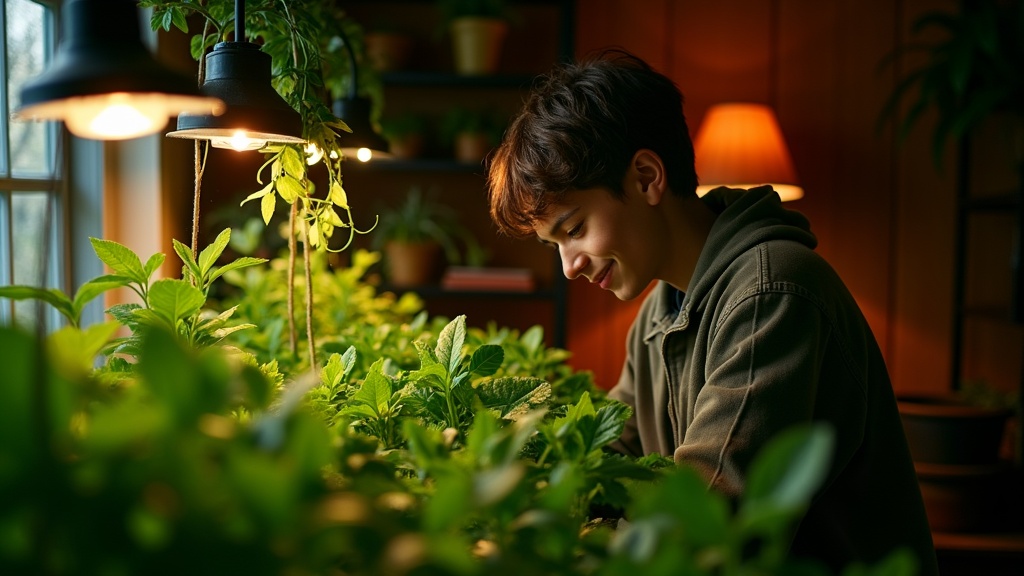
If your apartment feels more like a cave than a greenhouse, you’re not alone. Most urban apartments weren’t designed with gardeners in mind. Maybe your windows face a narrow alley, or your only natural light comes from a north-facing window that barely gets direct sun. The dream of growing fresh food can feel pretty far out of reach.
But here’s the good news: you don’t need a sun-drenched balcony to grow some edible plants. Certain vegetables actually tolerate low light surprisingly well. They won’t explode with growth like tomatoes on a sunny windowsill, but they will grow steadily and give you something real to harvest.
Let’s be honest about what low light means, though. We’re talking about spots that get indirect light for most of the day, or maybe a few hours of weak morning sun. If your room is truly dark all day with no natural light at all, even the toughest plants will struggle without a grow light to help out.
The vegetables that work in these conditions tend to be leafy greens and herbs rather than fruiting plants. You won’t be growing peppers or zucchini in a dim corner. But fresh lettuce, microgreens, and certain herbs? Absolutely doable. The key is matching your expectations to your light situation and choosing plants that are naturally adapted to shadier spots.
Growing food in a low-light apartment takes a bit more patience, but it’s far from impossible. With the right plant choices and some basic care, you can turn even a gloomy apartment into a small source of homegrown greens.
Leafy greens that handle low light well
If you’re trying to grow food in a dim apartment, leafy greens are your best friends. Unlike tomatoes or peppers that need tons of sun to make fruit, greens just need enough light to push out leaves. That’s a much easier job for a plant working with whatever light filters through your window.
Spinach is a solid starting point. It’s naturally a cool-season crop that doesn’t mind lower light levels, and you can start snipping leaves as soon as they’re big enough to eat. Loose-leaf lettuce works the same way. Skip the tight heads of iceberg and go for varieties that let you harvest a few outer leaves at a time while the center keeps growing.
Arugula grows fast and has a peppery bite that makes even a small harvest feel worthwhile. It’s one of the quickest greens to sprout, which means you’ll see progress even when light is limited. Baby kale is another good choice. You’re not trying to grow full-size kale plants here, just tender young leaves you can toss in a salad or smoothie.
The key with all these greens is managing your expectations. They’ll grow more slowly than they would in a sunny garden, especially during winter when daylight is scarce. Keep the soil evenly moist but not soggy, and don’t let it dry out completely between waterings. Harvest outer leaves first so the plant keeps producing from the center.
These greens also tolerate cooler indoor temperatures better than most vegetables, which is helpful if your apartment runs chilly or you keep the heat low. They won’t grow fast, but they will grow. And that’s exactly what you need when you’re working with limited light.
Small, fast edibles that act like vegetables
When your apartment doesn’t get enough light for full-size tomatoes or peppers, you can still harvest real food by growing things that produce quickly and don’t need much sun. These aren’t just garnishes. They’re ingredients you’ll actually use in cooking, and they grow fast enough that you’ll see results in weeks instead of months.
Green onions are probably the easiest place to start. Buy a bunch at the grocery store, use the green tops, and stick the white root ends in a jar with an inch of water. They’ll start growing again within days. Once the roots fill out, you can move them to a small pot with soil. Just snip off what you need and they’ll keep growing back. They work in stir-fries, tacos, scrambled eggs, or anywhere you’d use regular onions.
Garlic greens work the same way. Plant individual garlic cloves in soil and harvest the green shoots that come up. They taste like mild garlic and you can chop them into pasta, salads, or on top of roasted vegetables. The plant keeps producing new greens as long as you don’t pull out the clove itself.
Pea shoots and sunflower shoots are another step up, but still simple. You grow them from dried peas or sunflower seeds, and harvest the young greens when they’re just a few inches tall. They’re crunchy, sweet, and work great in salads or sandwiches. You plant them fairly thick in a shallow tray, let them grow for a week or two, then cut them just above the soil. Some will regrow for a second harvest if you’re lucky.
All of these handle lower light better than most vegetables because you’re harvesting them young, before they need the energy to produce fruit or big roots. They’re forgiving, fast, and genuinely useful in the kitchen.
Root and stem vegetables that can work with limited light
Once you’ve mastered growing leafy greens, you might wonder if anything else can handle your dim apartment. The good news is that a few root and stem vegetables can work in low light, though you’ll need to adjust your expectations.
Radishes are probably your best bet for an actual root vegetable. They grow fast, sometimes in just three to four weeks, which means they don’t need as much total sunlight as slower crops. In a spot that gets a few hours of light each day, you can grow small but perfectly edible radishes. Use a container at least six inches deep and don’t crowd them. Plant seeds about an inch apart and you’ll likely get something worth eating, even if they’re marble-sized instead of golf ball-sized.
Beets are trickier, but they offer a clever workaround. In low light, your beets probably won’t develop those big, beautiful roots you see at the farmers market. But the greens are delicious and nutritious, tasting a bit like Swiss chard. Plant beet seeds in a container eight inches deep, and harvest the outer leaves as they grow. You might get a small root eventually, but think of it as a bonus rather than the main event.
Celery can regrow from the base you’d normally throw away. Put the cut end in water until roots form, then plant it in soil. In low light, you won’t get full grocery-store stalks, but you’ll have fresh celery leaves and thin stems for soups and salads. It’s more like having a living herb than a vegetable crop, but it still counts as homegrown food.
Simple setup tweaks that make low light go further
You don’t need to renovate your apartment to grow food. A few smart adjustments can squeeze more usefulness out of whatever light you’ve got.
Start by claiming your brightest window. Even if it only gets a few hours of indirect sun, that’s your prime real estate. Put your vegetable pots as close to the glass as possible without touching it. Every inch of distance costs you light, and in a dim apartment, every bit counts.
Rotate your pots a quarter turn every few days. Plants naturally lean toward light, and in low-light conditions they’ll stretch and get leggy fast. Turning them keeps growth more balanced and prevents that sad, reaching-for-the-sun look.
Here’s a trick that sounds too simple to work but really does: place something white or light-colored near your plants. A white cutting board propped behind the pot, a pale wall, even aluminum foil on cardboard. These surfaces bounce whatever light you have back onto the leaves. It’s not dramatic, but it helps.
Choose shallow, wide containers for greens like lettuce and spinach rather than deep pots. Their roots don’t need much depth, and a wider surface means more leaves catching light. More surface area, more food.
Finally, adjust your watering. Low light means slow growth, and slow growth means plants drink less. Overwatering kills more indoor vegetables than underwatering does. Let the top inch of soil dry out between waterings, and always empty those saucers under your pots. Sitting in water invites root rot, especially when plants are growing slowly.
If you want an extra boost, a basic grow light can help. But it’s not required to get started. Make the most of what you have first.
Vegetables that usually disappoint in low-light apartments
If you’ve tried growing tomatoes or peppers on a dim windowsill, you’ve probably felt the sting of watching them struggle. These plants aren’t being difficult on purpose. They’re just wired differently than leafy greens.
Fruiting vegetables need a lot of bright light to do their main job: making flowers and then turning those flowers into actual food. Tomatoes, peppers, cucumbers, and eggplants all fall into this category. In a low-light apartment, they’ll often grow tall and spindly, reaching desperately toward whatever light they can find. You might get leaves, but flowers rarely show up. And without flowers, there’s no fruit.
When these plants do manage to flower in dim conditions, the results are usually underwhelming. You might see one or two tiny tomatoes that never ripen properly, or peppers that stay small and pale. It’s not that you did anything wrong. The plant simply doesn’t have enough energy from the sun to complete its whole life cycle.
Full-size broccoli and cauliflower also tend to disappoint indoors. These plants need both strong light and a fair amount of space to form their signature heads. In apartments with limited sun, they’ll often just keep making leaves without ever producing the part you actually want to eat.
The lesson here isn’t to give up on apartment gardening. It’s just about matching your ambitions to your lighting situation. Save the fruiting vegetables for a sunny balcony or a future garden plot. For now, there are plenty of other options that will actually thrive in the light you have.
Signs your plants need more light, and easy fixes
Your plants will tell you when they’re not getting enough light. You just need to know what to look for.
The most obvious sign is leggy growth. That means long, thin stems with big gaps between leaves. The plant is basically stretching toward the light, trying desperately to find more. You might also notice pale or yellowing leaves, especially on newer growth. Instead of the deep green you expect, everything looks washed out.
Another giveaway is when your plant leans dramatically toward the window, like it’s about to fall over. And if growth has slowed to a crawl, even though you’re watering and caring for it properly, light is often the culprit.
The easiest fix is simply moving your plant closer to the window. Even a foot or two can make a real difference. If you have multiple plants crowded together, spread them out so they’re not shading each other.
Try rotating your plants every week or so. This keeps them growing evenly instead of listing to one side. And here’s something people often miss: if your plant is growing slowly because of low light, it needs less water than usual. Adjust your watering schedule to match the slower pace, or you risk root rot.
Pruning or harvesting can actually help too. When you trim back leggy stems or pick leaves for dinner, you encourage the plant to put out fresh, healthier growth closer to the base.
Keep in mind that winter changes everything. The days are shorter and the sun sits lower in the sky, so even your usual spots get dimmer. Don’t panic if growth slows down from November through February. It’s normal, and things will pick up again when spring returns.





