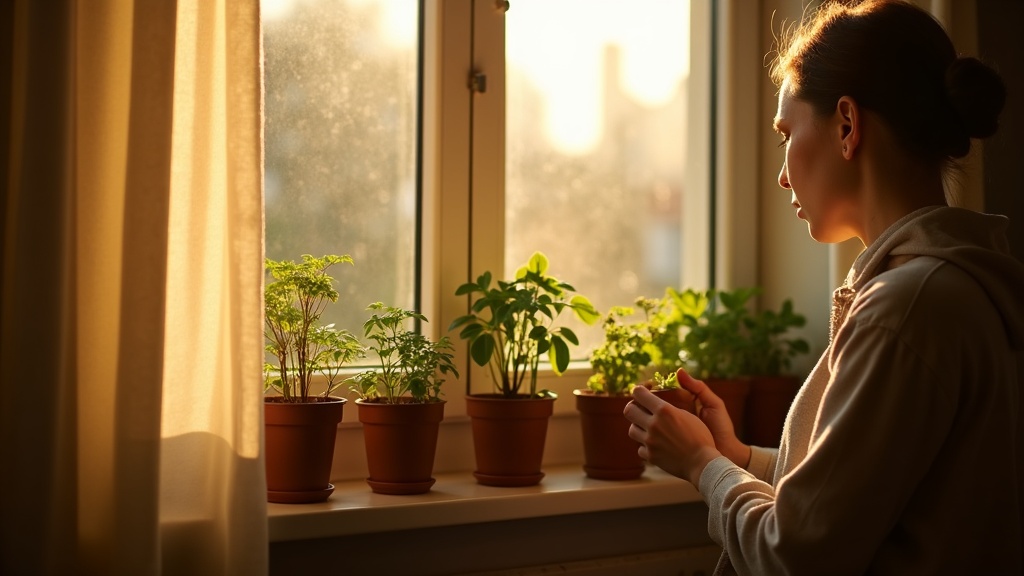
You know those sad, stretchy seedlings that look like they’re reaching desperately toward the window? The ones with long, pale stems that can barely hold themselves upright? Those are leggy seedlings, and if you’re starting seeds in an apartment, you’ve probably seen them before.
Leggy seedlings happen when plants don’t get enough light. They stretch upward, trying to find more sun, and end up tall and weak instead of short and sturdy. It’s one of the most common problems people face with indoor seed starting, especially in apartments where windows might face the wrong direction or neighboring buildings block the light.
The good news is that leggy seedlings aren’t a death sentence for your plants. Most can be saved with some simple fixes, and you don’t need a greenhouse or a south-facing wall of windows to make it work. Even if you’re dealing with a dark apartment or limited space, there are realistic ways to turn things around.
Understanding why your seedlings got leggy in the first place helps you prevent it from happening again. Usually it comes down to light, but sometimes temperature and overcrowding play a role too. Once you know what went wrong, fixing weak seedlings and growing stronger ones next time becomes much easier.
Whether your seedlings are already stretched out or you’re trying to avoid the problem with your next batch, the solutions are more accessible than you might think. Let’s look at what you can actually do in a real apartment setting.
How to tell if your seedlings are actually leggy
Leggy seedlings have a distinctive look once you know what to watch for. The most obvious sign is a long, bare stem with only tiny leaves clustered at the very top. Think of it like a beanpole with a little hat on. The stem itself often looks pale and thin compared to how tall the plant has grown.
You might also notice your seedlings leaning hard toward the nearest window, almost like they’re desperately reaching for something. This isn’t just cute plant behavior. It means they’re stretching toward light they can’t quite get enough of. After you water them, leggy seedlings often flop over or bend under their own weight because those long stems just aren’t strong enough to hold them upright.
Now, a little stretching is normal. Seedlings naturally grow upward and might lean slightly toward light. That’s fine. The problem starts when you see rapid height gain over just a few days, but the stem stays skinny and weak. If your tomato seedling shoots up two inches in three days but looks like it could snap in a breeze, that’s leggy.
Why does this matter? Leggy seedlings are fragile. They break easily when you try to move them or work around them. They also struggle during transplanting because those weak stems can’t support the plant once it faces outdoor conditions. The good news is that legginess is fixable if you catch it early, and even better, it’s preventable once you understand what causes it.
How to salvage leggy seedlings right now
The fastest fix you can do today costs nothing: move your seedlings closer to light. Place them right up against your brightest window, ideally south-facing if you have one. Seedlings stretch toward light because they’re desperate for it, so closing that distance helps immediately.
Rotate your tray or pots every day so all sides get equal light. Otherwise the stems will lean and bend toward the window like they’re doing yoga. A quarter turn each morning keeps growth more balanced.
Adding gentle movement makes stems stronger. In nature, wind does this job. Indoors, you can set up a small fan on low speed nearby, or simply brush your hand across the tops of the seedlings once or twice a day. It sounds strange, but that mild stress signals the plant to build sturdier stems instead of just racing upward.
Check if a radiator or heating vent is nearby. Extra warmth encourages fast, weak growth. If you can, move seedlings to a cooler spot that still has good light.
Thin out crowded seedlings. When they’re packed together, they compete for light and grow tall and spindly trying to outrace each other. Snip the weakest ones at soil level with scissors so the survivors have breathing room.
Water smarter by watering from the bottom when you can. Set pots in a shallow tray of water and let them soak it up for ten or fifteen minutes. This encourages roots to grow down instead of staying shallow. Avoid keeping the soil constantly wet, since soggy conditions make weak stems flop even more.
When it’s time to transplant tomatoes, peppers, or similar plants, you can bury part of that long stem. They’ll grow new roots along the buried section and become much sturdier. For seedlings that don’t tolerate buried stems, transplant into a deeper container and add a toothpick or small stick as a gentle support instead.
How to improve light in a small apartment without a grow tent
Windows seem like the obvious answer, but they’re usually not bright enough for strong seedlings. Even a sunny spot has problems. Winter days are short, so your seedlings only get a few hours of decent light. Most apartment windows don’t get direct sun all day, and the light that does come through is often filtered by the glass itself. If your seedlings sit more than a foot back from the window, they’re getting even less.
The simplest fix is adding a basic LED shop light or a small clip-on grow light. You don’t need anything fancy. Position the light close to your seedlings, about two to four inches above the tops of the leaves. Close enough that they’re clearly lit, but not so close that the leaves feel warm to the touch. This makes a huge difference.
Use a timer to keep the light on for fourteen to sixteen hours a day. Seedlings need consistency more than they need intensity. A cheap plug timer works perfectly and means you don’t have to remember to flip a switch.
You can stretch the light you have by adding reflective surfaces. A white wall works well if your setup is next to one. Otherwise, wrap a piece of cardboard in aluminum foil and lean it behind or beside your seedlings. It sounds low-tech because it is, but it genuinely bounces light back onto the plants.
For apartment-friendly setups, try a narrow bookshelf with a shop light clipped or resting on the shelf above your trays. A kitchen counter works if you can spare the space and hang or prop a light overhead. A small rolling cart lets you move your seedlings around to catch natural light during the day, then park them under a lamp at night. None of these require drilling holes or landlord approval.
Small care tweaks that prevent weak seedlings
Light gets most of the attention, but a few quieter factors can turn your seedlings leggy even under a decent lamp. The good news is that most of these are easier to control indoors than you might think.
Warmth feels cozy to us, but it pushes seedlings to grow fast and soft. When it stays warm all the time, especially at night, plants shoot up quickly without building much strength. If you can safely drop the temperature a few degrees at night, even just by cracking a window or moving trays away from a radiator, that cooler period helps them grow stockier. You don’t need exact numbers. Just a bit cooler than daytime makes a difference.
Crowding is another sneaky problem. When seedlings grow too close together, they shade each other out and start competing for light. That triggers the same stretching response as dim conditions. Thin your trays early, even if it feels wasteful. Give each seedling enough elbow room so its leaves aren’t touching its neighbors. The ones that remain will grow much stronger.
Watering habits matter more than most people realize. Constantly wet soil and frequent misting keep stems soft and weak. Let the surface dry out slightly between waterings so roots have to reach down instead of staying shallow. Make sure your containers drain well. Soggy roots can’t support sturdy stems.
Finally, don’t assume feeding will fix legginess. Overfeeding young seedlings often makes them grow even faster and floppier. They don’t need much nutrition early on. Wait until they have several true leaves before you start adding anything beyond what’s already in the soil.
When it’s better to start over and how to do it faster
Sometimes the best answer is to cut your losses. If your seedlings have stems so thin they can’t hold themselves up anymore, or they keep flopping over no matter what you try, starting fresh will save you time and frustration. The same goes for seedlings that have grown wildly tall compared to what’s normal for their age, or ones that got damaged from tipping over repeatedly.
When you decide to restart, your goal is simple: don’t repeat the same mistake. Sow fewer seeds this time so you can give each one better care. Set up your light source before you plant anything, and position it just a few inches above where the soil surface will be. The moment those first green leaves appear, they need bright light.
Keep your seedlings close to the light as they grow. If you’re using a desk lamp or window, check them daily and adjust the distance. Running a small fan nearby from early on helps build stronger stems right from the start.
If your planting window is tight and you’re worried about losing time, consider faster-growing crops for your second attempt. Lettuce and radishes sprout and grow much quicker than tomatoes or peppers. You can also hedge your bets by picking up a small pack of seedling starts from a nursery or farmers market while you try again at home. That way you’re covered either way, and you still get the satisfaction of growing something yourself without the pressure of it being your only option.





