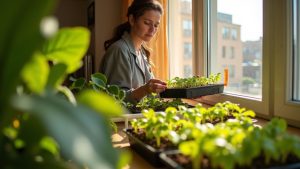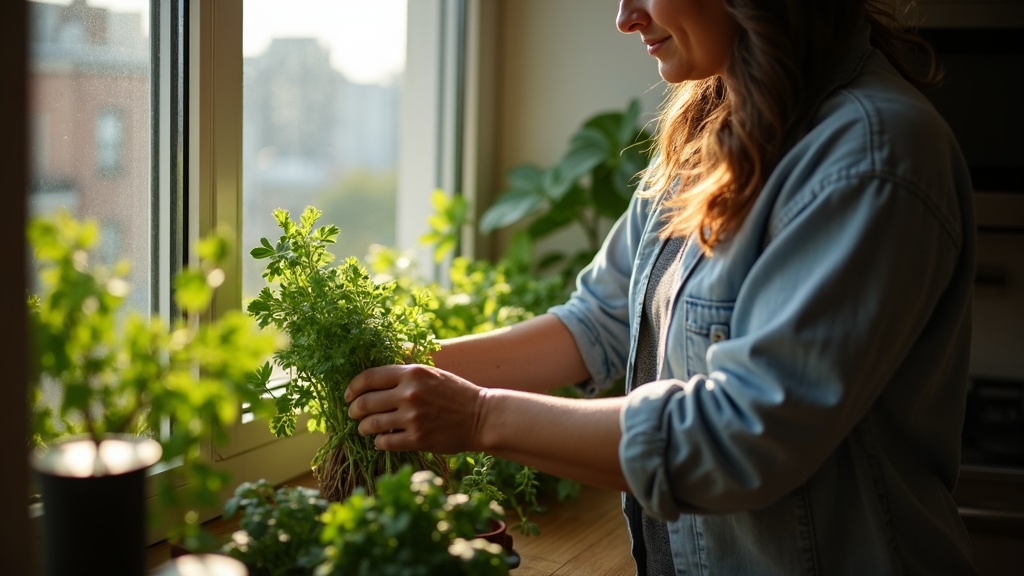
If you’ve ever bought a cheerful little basil plant from the grocery store only to watch it wither into a sad brown skeleton on your windowsill, you’re not alone. Most of us have been there. We dream of snipping fresh herbs while we cook, but somehow our kitchen windows turn into plant graveyards.
Here’s the thing nobody tells you at the garden center: most herbs you see in stores are grown in greenhouses with perfect conditions. They’re used to getting hours of bright, direct sunlight. Your kitchen window? It’s probably giving them a fraction of that light, and many popular herbs just can’t handle the adjustment.
But this doesn’t mean you’re doomed to buy dried herbs forever. The secret isn’t about becoming a better gardener or finding some magic watering schedule. It’s about choosing herbs that can actually tolerate the light your kitchen window provides.
Some herbs are surprisingly forgiving. They don’t need blazing sun all day. They won’t throw a tantrum if your window faces north or gets blocked by a tree. These are the herbs that will actually survive in real kitchens, with real light conditions, for real people who have other things to do besides obsess over plants.
Once you know which herbs can handle indoor life, growing your own fresh seasonings becomes so much easier. You’ll stop blaming yourself when plants fail, because you’ll be working with varieties that were built for this from the start.
The most reliable windowsill herbs for low to moderate light
Most kitchen windows don’t actually get that much direct sun. Maybe a few hours in the morning, or bright indirect light most of the day. That’s normal, and it’s why the usual advice to grow basil and rosemary indoors so often ends in disappointment. Those herbs want full sun and forgive almost nothing.
The good news is that a handful of herbs actually thrive in average indoor light and bounce back from the mistakes we all make. These are the ones worth your counter space.
Chives are nearly indestructible. They look like thin grass, grow in dense clumps, and you can cut them down to an inch tall and they’ll sprout back within days. They want consistent moisture but won’t die if you forget to water for a week. Use them anywhere you want a mild onion flavor without the tears.
Mint is aggressive and forgiving, which makes it perfect for beginners. It grows fast, spreads like crazy, and recovers from almost anything. The one mistake that kills it is letting the soil dry out completely. Keep it moist and it’ll take over. The flavor is obvious: tea, mojitos, fruit salads, or just muddled into water.
Parsley is slower to start but incredibly steady once it gets going. Flat-leaf and curly varieties both work indoors. It tolerates lower light better than most herbs and doesn’t mind if you harvest heavily. The main issue is overwatering, which rots the roots. Let the top inch of soil dry between waterings. It’s a workhorse herb that goes with nearly everything savory.
Cilantro won’t live forever, but that’s not your fault. It’s an annual that bolts and dies after a few months no matter what you do. Plant it knowing you’ll replant, and it’s actually very easy indoors. Use it fast and often in salsas, curries, and tacos.
Lemon balm is mint’s calmer cousin. It has the same forgiving nature but stays more compact and smells like lemon candy. Great for tea or anywhere you want a citrus note without actual citrus.
If you have a brighter window, here are a few extra herbs that become easy
A brighter window means direct sun actually lands on your windowsill for at least four to six hours most days. You’ll see a bright rectangle of light move across the sill during the day, not just general brightness in the room. If you have that kind of spot, you can grow some of the herbs that struggle in lower light.
Basil is the star here. It needs strong light to stay full and flavorful, and it’ll get leggy and sad without it. Even in a sunny window, you’ll want to pinch off the top sets of leaves every week or two. This keeps the plant bushy instead of letting it shoot up into a tall, sparse stem with flowers on top.
Thyme and oregano also do well in brighter windows. They’re Mediterranean herbs that love sun and don’t mind drying out a bit between waterings. They grow more slowly than basil, but they’re tough and low-drama once they settle in.
Even with plenty of light, indoor growing has a few quirks. The soil in small pots dries out fast in direct sun, so you might need to water more often than you expect. On really hot days, the glass can heat up enough to stress your plants, especially if the window faces west. You might need to pull them back a few inches from the glass during heat waves.
The other thing to watch is growth pattern. Indoor herbs don’t branch out as naturally as outdoor ones do, even in bright light. Regular pinching or trimming encourages them to grow bushier instead of tall and spindly. Think of it as giving them a reason to make more leaves instead of just reaching for the sky.
Why grocery store herb pots often crash after a week
That cheerful basil pot you grabbed at the supermarket looked so green and healthy. Three days later, it’s wilting. A week in, half the stems are brown mush. You water it, you ignore it, you move it around. Nothing helps.
Here’s the thing: it probably wasn’t your fault. Those pots are designed for short-term display, not long-term survival on your windowsill.
Most grocery store herb pots cram dozens of seedlings into a single tiny container. The roots are tangled into a dense mat with almost no room to grow. They’re packed that way on purpose to look full and lush in the store, but once you bring them home, those plants are already competing for space, water, and nutrients.
The soil doesn’t help either. It’s usually peat-heavy, which means it acts like a sponge when wet and then turns into a brick when it dries out. You water it and the top looks damp, but the roots might still be parched. Or the opposite happens and everything stays soggy, which most herbs hate.
Then there’s the light shock. That basil spent its life under bright grow lights in a greenhouse. Your kitchen window, even a sunny one, is dimmer than it’s used to. The plant can’t photosynthesize as efficiently, so it starts to struggle and drop leaves.
The good news? You can often rescue these herbs by gently splitting the clump into smaller sections and giving each one its own pot with fresh soil. Suddenly they have room to breathe, better drainage, and a real chance to adjust to indoor life. It’s not a guaranteed fix, but it works surprisingly often.
Simple care rules that keep indoor herbs alive on a windowsill
The biggest killer of windowsill herbs isn’t lack of love. It’s overwatering. Most people water on a schedule instead of checking what the plant actually needs. Stick your finger about an inch into the soil. If it feels dry, water thoroughly until you see a little water drain out the bottom. If it still feels damp, wait another day or two.
This only works if your pot has drainage holes, though. Herbs hate sitting in waterlogged soil. Their roots need air as much as they need moisture. If water can’t escape, roots rot quickly. Always use pots with holes in the bottom, and don’t let them sit in a saucer full of water for more than a few minutes.
Turn your pots a quarter rotation every few days. Plants grow toward light, so one side gets stronger while the other gets leggy and weak. Rotating keeps growth balanced and prevents your basil from doing a permanent lean toward the window.
When you harvest, pinch or cut just above a pair of leaves rather than shearing everything off the top. This encourages the plant to branch out and grow bushier instead of tall and sparse. The more you harvest this way, the more leaves you get.
Pay attention to temperature around your window. Cold glass in winter can stress leaves that touch it, and hot air from cooking can dry plants out faster than usual. If your herbs look droopy after you’ve been cooking all afternoon, they might just need a drink. And if frost is creeping up the window at night, pull pots back a few inches so leaves don’t press against the cold.