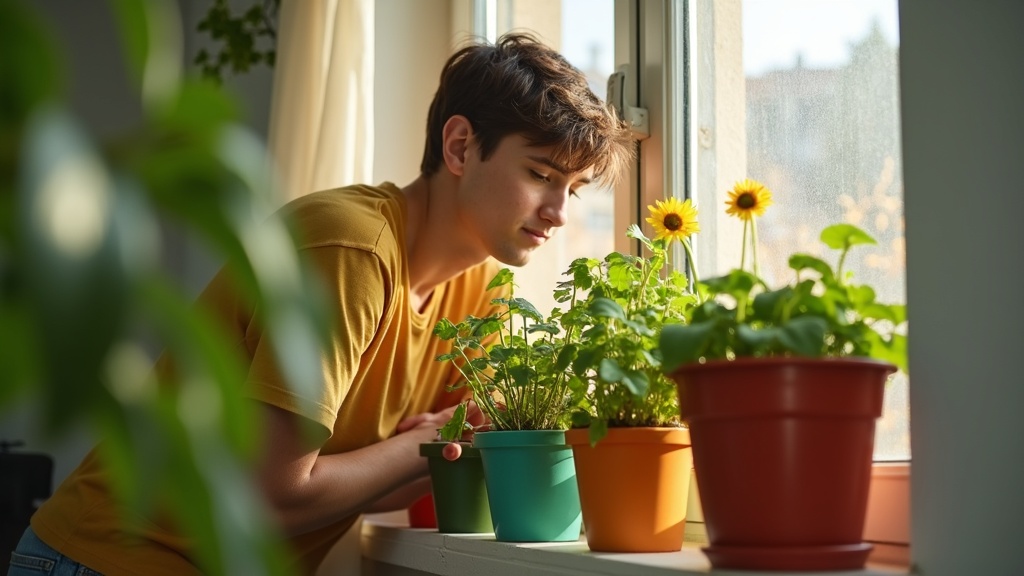
You’ve probably tried it before. You buy a cute little pot at the garden center, fill it with soil, add a plant, and set it on your windowsill. A week later, there’s a puddle on the sill. Or the pot is too deep and blocks half your window. Or it’s so narrow it tips over every time you crack the window open.
Here’s the thing: apartment windowsills are weird. They’re usually narrower than you think, often slanted, sometimes metal and cold, and almost always sitting above a radiator or right in the path of a draft. Regular pots are designed for outdoor patios or big indoor plant stands, not these awkward little ledges.
And then there’s the indoor factor. Outside, a pot with drainage holes is perfect because excess water just drips into the yard. Inside your rental? That drainage becomes a problem. You need a saucer, but saucers tip. Water sits. Wood warps. Landlords notice.
The truth is, windowsill gardening in a small apartment needs different gear than regular container gardening. You need pots that actually fit the space, that won’t destroy your windowsill or security deposit, and that make watering simple when you’re juggling everything else in a tiny home.
This isn’t about being picky. It’s about finding apartment windowsill planters that actually work with the reality of small space living. Because when you get it right, those few inches of sill space can grow a surprising amount of green.
Start with the sill’s real limits, not the pot you like
Before you fall in love with a planter online, grab a tape measure and check what you’re actually working with. The most important number is the depth, meaning how much space you have from the window glass to the front edge of the sill. This is usually the dealbreaker. Most apartment windowsills give you somewhere between three and six inches of depth, and that’s not much.
A planter that’s even half an inch too deep will teeter forward or simply won’t sit flat. You want a safe zone of at least an inch or two at the front edge, so the pot isn’t hanging off like it’s about to make a break for the street below. Measure from the window back to where you’d feel comfortable having weight, not just to the absolute edge.
Width matters too, but it’s usually more forgiving. Measure the full usable width, then subtract space for anything in the way. Window cranks are the usual culprit. They stick out and they need room to turn. Radiators below the sill, curtain hardware, and uneven paint buildup can all steal inches you thought you had.
Here’s an easy sanity check: grab a book or a shoebox that’s roughly the size of the planter you’re considering. Set it on the sill where you’d put the real thing. Does it sit flat? Can you still open the window or adjust the blinds? Does it block anything important? If the book wobbles or crowds the space, the planter will too. This two-minute test will save you from a return shipment and a lot of frustration.
Choose shapes that use space well without feeling crowded
The shape of your planter changes how much you can actually use your windowsill. Round pots are charming, but they waste the corners and edges of a rectangular sill. A long rectangular trough sits flush against the window and uses nearly every inch of available space.
Think about stability too. Tall narrow pots tip easily when you brush past them or when a plant gets top-heavy. Short wide planters stay put much better, especially important if you open and close your window often or have curious cats.
Your hands need room to work. If you pack several small round pots side by side, you’ll struggle to get a watering can between them without knocking things over. You end up moving pots every time you water, which gets old fast. A single long planter or two well-spaced containers leave enough gap for your hand and a small watering can spout.
For herbs, a narrow trough about twelve inches long works beautifully. You can fit basil, parsley, and chives in one container and water them all in one go. Compare that to three individual four-inch pots crowded together, and the trough just makes life easier.
If you really want separate pots, go for ones with a smaller footprint but a bit of width for stability. A pot that’s five inches wide and four inches tall behaves better than one that’s three inches wide and six inches tall. The shorter one won’t tip when the basil gets bushy.
Corner spaces are tricky. Some companies make wedge-shaped or specially curved planters for sill edges, but honestly, just leaving that space empty often works fine. Not every inch needs a plant.
Drainage matters, but indoor drainage has to be controlled
Plants need drainage. Water needs to escape so roots don’t sit in a soggy mess. But on a windowsill, you can’t just let water drip wherever it wants. That’s how you end up with stained wood, peeling paint, and puddles that sneak under your laptop.
You’ve got three main ways to handle this. The first is the classic setup: a pot with drainage holes sitting in a saucer. Simple enough, except the saucer actually matters. It needs to be wide enough to catch water without your pot sitting in a permanent puddle. It should feel stable, not something you’ll knock over every time you adjust the blinds. And here’s the annoying part: tiny saucers that barely cover the pot’s base are useless. Water runs right over the edge.
The second option is a cachepot, which just means putting your nursery pot inside a prettier outer pot with no holes. You water the plant, wait a few minutes, then tip out any excess water from the outer pot. It works well if you remember that last step. If you don’t, you’ve basically created a tiny swamp.
The third option is skipping drainage holes entirely and watering very carefully. This isn’t ideal for most plants, but it eliminates the leak problem completely. You just have to be honest with yourself about whether you’ll actually measure your water or if you’ll get lazy and drown something.
Waterproofing indoors isn’t about making things submersible. It’s about protecting your windowsill from water rings, mineral stains, and that weird whitish crust that builds up. A good saucer does most of this work, as long as it doesn’t stick to the pot bottom when you lift it.
Self-watering pots can reduce hassle, but they still need a plan
Self-watering pots have a hidden reservoir at the bottom that holds extra water. A wick or insert draws moisture up to the soil as the plant needs it. The idea is simple: you fill the reservoir every week or two instead of watering from the top every few days.
They’re genuinely helpful if you forget to water, travel often, or just want more predictable moisture levels. Plants that like consistent dampness tend to do better, and you’re less likely to accidentally flood your windowsill because the water stays contained below.
But they do come with tradeoffs on a windowsill. Self-watering pots are taller than regular ones because of that reservoir, so they might not fit under low-hanging curtains or blinds. They’re also heavier when full, which matters if your sill is narrow or wobbly. And you still need to check them. The reservoir doesn’t last forever, and if you let old water sit too long, algae or funky smells can build up.
These pots work best for people who water inconsistently or need a buffer when life gets busy. They’re not ideal if you enjoy the ritual of daily watering or if your windowsill has very tight vertical space. And they’re not magic. You still need to refill the reservoir, clean it out occasionally, and match the pot to the plant. A cactus in a self-watering pot is usually a bad idea.
Think of them as a helpful tool, not an autopilot. They buy you time and reduce drama, but they’re not truly hands-off.
Pick materials that handle sun, heat, and indoor wear
Your windowsill isn’t a gentle place. The sun beats through glass all day, temperatures swing when the heat kicks on, and you’re moving planters around every time you clean or water. The material you choose needs to handle all of that without cracking, warping, or damaging your sill.
Plastic and resin planters are the workhorses here. They’re lightweight, which matters when your sill is narrow or you have several pots lined up. They won’t crack from temperature changes, and they’re easy to move around. The downside is they can look a bit cheap, though higher-end resin pots do a decent job mimicking ceramic or stone.
Ceramic and glazed pots look beautiful and stay put without sliding around. They’re stable and come in every style you can imagine. But they’re heavy, which can be a problem on shallow sills, and they chip if you knock them against the window frame. If one breaks, it really breaks.
Terracotta breathes, which helps prevent overwatering, but it also dries out faster so you’ll water more often. It absorbs moisture and leaves white rings or water marks on wood sills. The clay sheds a fine grit over time that gets everywhere.
Metal planters look modern and sleek, but they can heat up fast in direct sun, which stresses plant roots. Some metals rust if water sits in the tray underneath. Wood and composite planters can warp from repeated watering unless they’re really well sealed.
Whatever you pick, add felt pads or small rubber feet to the bottom. They protect your sill from scratches and water rings, and they let air circulate so moisture doesn’t get trapped underneath.
Make sure the pot won’t tip, slide, or block the window
Apartment windowsills are rarely designed with plants in mind. They’re often narrow, painted with glossy finishes, and placed right where you need to reach past them to open windows or adjust blinds. A planter that looks perfect on a shelf can become a hazard on a slippery sill six feet off the ground.
The first thing to check is whether your pot sits stable on its own. Tall, narrow containers tip easily, especially when you water them or bump them while opening the window. Look for pots with a wider base than top. Squat, low-profile designs stay put much better than tall cylinders or top-heavy urns.
Glossy paint and window condensation make sills surprisingly slick. A pot might sit fine when you place it, then slowly slide forward over days as you water it or as temperature changes create moisture. Inexpensive rubber shelf liners or silicone pot pads solve this instantly. Just cut a piece to size and tuck it under the pot. It’s invisible and keeps everything in place without adhesive or tools.
Think about how you actually use your windows. If you crank them open weekly, you need space to turn the handle without knocking into a planter. If you have blinds or curtains, make sure the pot doesn’t block them from closing completely. And if you have cats or dogs who like windowsills, keep heavier pots toward the back and away from edges.
A planter crashing down isn’t just messy. It can crack tiles, scare pets, or worse. The fix is simple: choose stable shapes, add grip underneath, and leave yourself room to actually live around your plants.
Choose setups you won’t hate cleaning later
The mess sneaks up on you. One day your apartment windowsill planters look fresh and tidy. A few weeks later, you’ve got crusty white rings where the water evaporates, green slime forming in the saucers, and a fine dusting of potting soil on the windowsill every time you move something.
Most of this buildup comes from the same handful of sources. Mineral deposits form when water sits and evaporates, leaving behind whatever was dissolved in your tap water. Algae grows in saucers that stay damp and catch a bit of light. Soil spills over the edge when you water too enthusiastically or jostle a pot. And watermarks appear wherever moisture touches the surface repeatedly.
The good news is that some pot designs are way easier to keep clean than others. Look for containers with smooth interiors instead of textured ones where grime gets trapped in ridges. Wide openings let you actually reach inside to wipe things down. Removable plastic inserts mean you can pop the whole plant out, clean the outer pot properly, and slide it back in.
Saucers matter more than you’d think. The best ones lift off easily without sticking or spilling. Avoid those tiny attached trays that overflow if you add one extra splash of water. A single larger tray under a few small pots often works better than individual saucers, and you only have one thing to wash.
One simple habit makes a real difference: carry your plants to the sink when they need a good watering. Let them drain there completely before putting them back. It’s not glamorous, but it stops most of the mess before it starts.
Match the pot to how you actually use your windowsill
Your windowsill isn’t just a plant shelf. You open that window. You lean over it to check the weather. You might set down a coffee mug or wipe crumbs into the sink below.
If your sill is barely deep enough to balance a phone, go with ultra-slim rectangular planters that sit flush against the glass. These take up less than three inches front to back. Small cachepots work too, but make sure they have a flat back so they don’t roll when you nudge them.
Got a sunny kitchen sill you use every day while cooking? Stick with smooth, non-porous surfaces like glazed ceramic or coated metal. They wipe clean in seconds when you splash tomato sauce or flour around. And skip anything with an open drainage hole unless you’re committed to moving the whole setup to the sink every time you water.
If your sill sits directly above a radiator, heat becomes the issue. Thin plastic can warp. Unglazed terracotta dries out fast and sometimes cracks from the temperature swings. Look for sturdy ceramic or resin planters with a wide base so they stay put when hot air rises.
For sills you rarely interact with, maybe in a bedroom or home office, self-watering planters make sense. You fill a reservoir every week or two instead of fussing with daily checks. Just make sure the refill opening is easy to reach without leaning over awkwardly or moving furniture.
Think about your actual routine. The planter that works isn’t always the prettiest one. It’s the one that doesn’t tip when you crack the window or leave a ring on the wood when you forget to check it for three days.