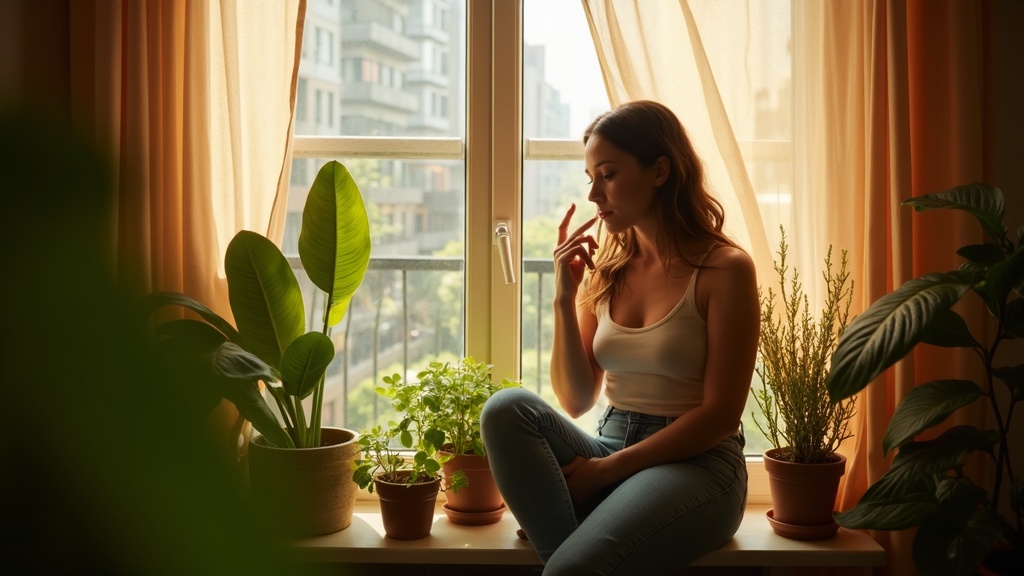
If your apartment only gets morning sun, you’re probably looking at an east-facing window. The light pours in bright and cheerful for a few hours after sunrise, then fades to softer, indirect light for the rest of the day. It feels lovely to wake up to, but you might wonder if it’s enough to keep plants alive.
Here’s the good news: morning sun is actually ideal for a surprising number of plants. Those few hours of direct light give your greenery the energy boost it needs, while the gentler afternoon conditions prevent leaves from scorching or drying out. It’s a sweet spot that mimics the dappled light many plants get under forest canopies in the wild.
The tricky part is knowing which plants will actually thrive in this setup. Some need blazing sun all day long. Others can’t handle any direct light at all. But there’s a whole category of plants that do beautifully with just morning brightness and shade the rest of the time.
Understanding your specific light situation helps you skip the guesswork and the sad, leggy plants that never quite make it. Once you know what works in an east-facing window, you can fill your space with greenery that grows lush and healthy instead of just surviving. And that makes all the difference between a collection of struggling houseplants and a little indoor garden that actually brings you joy.
Morning sun indoors is bright, but it doesn’t last
If your apartment gets morning sun, you probably have an east-facing window. That means direct sunlight comes streaming in during the early hours, then fades as the sun moves overhead and around to the other side of your building. You might get three or four hours of real sunshine, sometimes less.
After that morning burst, the light doesn’t disappear completely. It just becomes softer and less intense. Think of it as bright shade for the rest of the day. That’s still useful light for plants, but it’s not the same as having sun pouring in all afternoon.
Not all morning sun is created equal, though. A big window without obstructions will flood your space with light. A small window, or one facing a brick wall or tall tree, might only give you gentle brightness instead of sharp rays. Glass itself filters out some intensity too, even when it looks crystal clear.
Here’s a simple way to tell what you’re working with: stand in your space during the morning and look for sharp shadows. If you can see a crisp outline of your hand on the wall or floor, that’s direct sun. If the light is bright but shadows look soft and blurry, you’re getting filtered or indirect light.
Also notice how quickly the brightness drops off as you move away from the window. In most apartments, strong light only reaches a few feet into the room. A plant right by the glass will experience a completely different day than one across the room on a shelf.
Flowering plants that can bloom with a few hours of morning sun
Yes, you can have flowers even with just morning light. But you need to pick plants that treat blooms as a bonus, not their full-time job.
African violets are the most reliable choice for an east-facing window. Keep them right on the windowsill where they can catch all the morning rays. When they’re happy, the leaves stay compact and slightly fuzzy, and you’ll see blooms a few times a year. The big mistake people make is watering from above. Get water on those leaves and you’ll see brown spots. Water from the bottom by filling the saucer instead.
Phalaenopsis orchids, the kind sold everywhere in grocery stores, actually prefer gentle morning sun over harsh afternoon heat. Place them directly in the window. A happy orchid has firm green leaves and sends up a flower spike once or twice a year. Each spike lasts for weeks. Don’t expect it to rebloom immediately after the flowers drop. It needs months to rest. People often kill these by overwatering, thinking the thick leaves mean they’re thirsty. They’re not. Let the roots turn silvery before you water again.
Kalanchoe is the easiest of all. This succulent blooms in bright clusters of red, orange, yellow, or pink. It needs that direct morning sun, right up against the glass. Happy plants have thick, glossy leaves. The common mistake is keeping it too wet. It’s a succulent, so let the soil dry out completely between waterings. It’ll bloom for a month or more, then take a break.
Peace lilies will give you white blooms even a few feet back from the window. They’re more about the elegance than constant color, but they’re nearly impossible to kill and will flower several times a year in decent light.
Leafy houseplants that stay attractive in east-facing light
If you’re not chasing flowers and just want dependable greenery that looks good year-round, morning sun is actually perfect. Several popular houseplants thrive with a few hours of direct light followed by bright, indirect conditions for the rest of the day.
Pothos and heartleaf philodendron are the workhorses here. Both handle east-facing windows beautifully when placed within three to five feet of the glass. They’ll grow more slowly than they would in a south-facing window, which often means less frequent pruning and a tidier shape. You’ll notice new leaves appear every few weeks instead of every few days, but the foliage stays just as glossy and healthy.
Spider plants love morning sun and will even produce their cascading baby plantlets more reliably with that early light boost. Keep them right at the window or on a stand nearby. Chinese evergreens are similarly unfussy and will show off their patterned leaves best when they get that morning brightness. Set them within four feet of the window for the most vibrant coloring.
Snake plants can sit farther back, even six to eight feet away, since they’re extremely tolerant of lower light. They grow very slowly no matter where you put them, so don’t expect dramatic changes.
One thing to watch: plants will slowly lean toward the window as they reach for light. Turn each pot a quarter rotation every week or two when you water. This keeps growth balanced and prevents that lopsided look. It takes ten seconds and makes a noticeable difference over time.
Morning sun won’t scorch these plants the way afternoon sun might, so you don’t need sheer curtains or any special setup. Just place them, rotate them occasionally, and let them settle in.
What herbs and small edibles can handle morning sun
If you want to grow something you can actually eat, your east-facing window has more potential than you might think. You won’t be harvesting bushels of tomatoes, but several kitchen herbs and greens do just fine with morning sun only.
Mint is practically unstoppable in these conditions. It grows fast, tolerates shade for the rest of the day, and you can snip leaves whenever you need them for tea or cooking. Just keep it in its own pot because it spreads aggressively if given the chance.
Chives and parsley are also solid choices. They don’t need intense sunlight to thrive, and they keep producing as long as you harvest regularly. Cilantro actually prefers cooler conditions and less direct sun, so your morning window might suit it better than a hot south-facing sill would.
Leafy greens like baby lettuce, arugula, and spinach can work too, especially if you’re content harvesting young leaves rather than waiting for full heads. The flavor might be a touch milder than store-bought, and growth will be slower than it would be outdoors, but you’ll still get fresh greens for salads.
Here’s the trick: keep your pots as close to the glass as possible. Every inch of distance means less light reaching your plants. Use smaller containers that fit comfortably on the windowsill rather than large pots on a stand farther back. And manage your expectations on yield. You’re growing garnish and salad ingredients, not replacing your grocery runs. But there’s something satisfying about snipping fresh herbs from your own window, even if it’s just a handful at a time.
How to match the plant to the exact spot near your window
Not all spots near your east-facing window are created equal. The windowsill itself gets the most direct morning light, sometimes strong enough to feel warm on your hand. A few feet back, the light softens quickly. Understanding these micro-spots helps you avoid the classic mistake of putting a shade-lover in a sunny patch or a sun-seeker in a dim corner.
If you have space on the windowsill and the morning sun hits it directly for a few hours, this is your brightest real estate. Succulents, small cacti, and compact herbs like basil or thyme do well here. The light is intense but brief, which suits plants that can handle some punch without needing all-day exposure.
Right next to the window but not on the sill, you’re still in bright territory. This spot works for most flowering plants like African violets or begonias, and foliage favorites like pothos or philodendron. They get plenty of light without sitting in the direct beam.
Three to six feet back from the window, the light drops off faster than you’d expect. This is where shade-tolerant plants like snake plants, ZZ plants, and peace lilies shine. They’re fine with the softer, filtered glow that reaches this zone.
Watch your plants for clues. If stems stretch out thin and floppy, reaching desperately toward the window, the spot is too dim. Pale or washed-out leaves also signal not enough light. On the flip side, brown crispy patches or bleached spots mean too much direct sun. A plant in the right spot grows steadily, keeps its color rich, and doesn’t lean or strain.