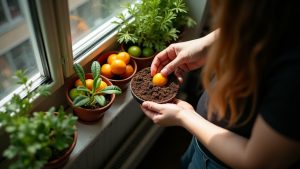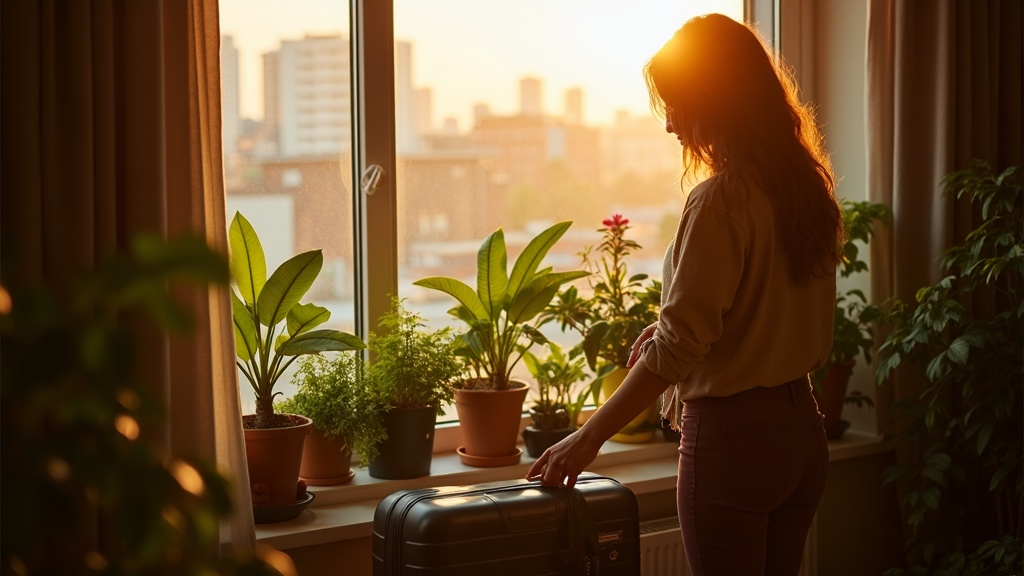
You’ve booked the trip. You’re excited. Then you look at your fiddle leaf fig and feel a wave of guilt. Who’s going to water it? Your neighbor barely waters their own plants. Your friends live across town. And honestly, you don’t love the idea of handing over your keys anyway.
If you live in an apartment, keeping plants alive while traveling comes with extra challenges. You can’t just ask someone to swing by the backyard. You might not know your neighbors well enough to ask for help. And short trips pile up quickly when you’re juggling work travel, weekend getaways, and family visits.
The good news? You have more options than you think. Some solutions cost nothing. Others require a small investment but work for weeks at a time. And most importantly, they don’t require trusting a stranger with your apartment keys or coordinating complicated schedules.
Whether you’re gone for a long weekend or two weeks, whether you have three succulents or thirty houseplants, there’s a realistic way to keep things alive. Some methods work better for certain plants or trip lengths, and we’ll walk through what makes sense for different situations.
The goal isn’t perfection. It’s coming home to plants that survived and a space that still feels like yours. Let’s figure out which approach fits your actual life, not some idealized version where you have a retired neighbor who loves plant-sitting.
Start by matching the plan to your trip and your plants
Before you start building elaborate watering contraptions or asking neighbors for favors, take five minutes to figure out what you’re actually dealing with. The worst mistake is overcomplicating things when half your plants would be perfectly fine on their own.
Start with the calendar. A long weekend is completely different from two weeks. Most healthy plants in decent-sized pots can handle three or four days without any help at all. If you’re gone longer than a week, that’s when you need a real plan.
Next, walk around and look at your plants honestly. Small pots dry out fast because there’s not much soil to hold water. Plants sitting in bright, sunny windows lose moisture quicker than ones in shadier spots. And some plants are just thirstier by nature—if you’re already watering something twice a week, it’s going to struggle more than the sturdy snake plant you forget about for weeks.
Do a simple dryness check before you leave. Stick your finger an inch or two into the soil. If it feels bone dry down there, the plant drinks fast. If it’s still slightly damp from last week’s watering, it’s probably a slow sipper.
Group your plants mentally into three categories: the needy ones that dry out in days, the moderate ones that can go a week, and the tough ones that barely notice you’re gone. This sorting makes everything easier. You can focus your energy on the high-risk plants and stop worrying about the ones that’ll be fine. No need to treat every plant like it’s in crisis when most of them aren’t.
Make the apartment less drying without making it weird
Your apartment doesn’t need to turn into a jungle sauna. A few simple tweaks can slow down how fast your plants dry out, without turning your place into a science experiment or risking water damage.
Start by pulling plants back from windows that get harsh afternoon sun. That direct blast of light heats up the soil and speeds up water loss. If you can’t move them easily, just close the blinds or curtains partway during the hottest hours. Less heat means slower drying.
Check where your heating vents or air conditioner blow. Plants sitting right in that airflow will dry out much faster than ones tucked to the side. Even moving a plant a foot or two away from a vent can make a real difference over a week.
Grouping your plants together is one of the easiest tricks that actually works. When plants sit close to each other, they create a slightly more humid pocket of air around themselves. It’s not dramatic, but it helps. Just don’t pack them so tight that air can’t circulate at all.
If you want to add a bit more humidity without any risk, try a shallow tray filled with pebbles and water. Set it near your plants, not under them. As the water evaporates, it adds moisture to the air nearby. The pebbles keep the water level visible so you’re not creating hidden puddles, and there’s no contact with pot bottoms that could cause rot or mess.
The goal isn’t perfection. You’re just buying your plants a little extra time by keeping conditions stable and a bit less harsh while you’re gone.
Use simple DIY watering that won’t flood your floor
You don’t need fancy equipment to keep your plants alive for a week or two. A few simple setups can work surprisingly well, and they’re all things you can put together with items you probably already own.
The easiest approach is a wick system. Take a strip of cotton fabric or thick string and put one end in a container of water and bury the other end a few inches into your plant’s soil. The fabric draws water up slowly and releases it into the soil. It’s like a gentle, constant drip that responds to how dry the soil gets. Set the water container on a chair or shelf next to your plant, making sure it’s stable and won’t tip over.
Another option is the upside-down bottle method. Fill a wine bottle or plastic water bottle, flip it over, and push the neck a couple inches into the soil. Water seeps out gradually as the soil dries. The key is getting the angle right so it doesn’t gush out all at once or get blocked by dirt.
You can also buy glass watering globes or plastic watering spikes at most garden stores for just a few dollars. They work on the same principle but are designed to release water more predictably.
Whatever method you choose, test it out at least three or four days before you leave. Check how fast the water moves and whether the soil is staying moist without getting soggy. Put a tray or saucer under everything to catch drips and protect your floor or furniture. Move the whole setup away from carpet or wood if possible. The goal is peace of mind, not a puddle when you get home.
Try tech that fits small spaces and privacy needs
You don’t need a smart home setup or outdoor plumbing to keep your plants alive while you travel. A few simple tech options work perfectly in apartments without drawing attention from neighbors or requiring your landlord’s permission.
Self-watering planters have a built-in reservoir at the bottom that feeds water up to the soil gradually. They’re quiet, need no electricity, and look like normal pots. The catch is that most only hold enough water for about a week, so check the reservoir size before you buy. They work best for short trips or when paired with other methods.
Capillary mats are low-tech strips of absorbent fabric that sit under your pots and wick water from a nearby tray or container. You set your plants on the mat, put one end in a bowl of water, and capillary action does the rest. No batteries, no noise, no installation. Just make sure the fabric stays in contact with both the water and the pot’s drainage hole.
Timed drip kits with a small reservoir can water multiple plants from a single bottle or bucket. A battery-powered timer releases water through thin tubes on a schedule you set. These work well for longer trips, but the tubes can kink or clog. Test the whole system for at least three days before you leave to catch any problems.
Smart moisture sensors won’t water your plants automatically, but they can alert a trusted friend when soil gets too dry. This gives you a backup plan without handing over your keys to someone who has to guess when to visit. Just make sure the sensor connects reliably to your wifi and that your friend actually checks their phone.
Set up a plant-sitter plan that respects boundaries
Asking someone to enter your apartment while you’re away can feel awkward, especially if you’re not used to handing out keys. The trick is making it as simple and contained as possible so neither of you feels weird about it.
Start by picking one person you trust. A friend who’s watered plants before is ideal, but anyone responsible works. The key is choosing someone who won’t feel burdened and who you’re comfortable giving brief access to your space.
Keep your instructions extremely short. Group your plants by need: everything that needs water goes in one spot, everything that can skip a week goes elsewhere. Use sticky notes or painter’s tape to label each group with a simple instruction like “water once” or “ignore me.” The fewer decisions your plant-sitter has to make, the better.
Decide together whether they’ll visit once or multiple times. For trips under a week, one visit is usually enough. Let them know the exact dates you’ll be gone and when they can come by. If your building has a doorman or you can use a lockbox, that saves you from coordinating a key handoff.
Offer a quick demo if they’ve never watered plants before. Show them where the watering can is, how much water each group needs, and where to pour it. Point out what not to touch, like fertilizer or plant food.
Before you leave, do a final walkthrough. Make sure the watering can is full and sitting next to the plants. Put away anything personal you’d rather they didn’t see. Clear communication and a tidy setup make the whole thing feel less invasive for both of you.
Avoid the mistakes that kill plants faster than thirst
The night before your trip, you might feel tempted to give your plants one giant drink to tide them over. Don’t. Dumping extra water into the soil right before you leave doesn’t create a reserve your plant can tap into later. It just drowns the roots and invites rot, which kills faster than drought ever could.
A related trap is leaving your plants sitting in deep saucers of water, thinking they’ll slowly drink it up while you’re gone. Most plants can’t handle their roots submerged for days on end. They need air as much as water, and standing water cuts off that supply. A little moisture in the saucer is fine, but anything more than a quarter inch is asking for trouble.
Some people also rush to fertilize right before leaving, hoping to give their plants a boost. Bad timing. Fertilizer encourages new growth, which needs more water and attention than established leaves. Your plant will be thirstier and more fragile exactly when you’re not around to help.
Repotting or moving a plant to a completely different spot right before vacation is another risky move. Plants need time to adjust to change, and stress makes them more vulnerable. If you want to test a new watering system or move a plant closer to the sink for easier care, do it at least a week before you leave. That way you’ll know if something goes wrong.
The key is this: make small changes early, not big ones late. Your plants will handle your absence better if they’re already comfortable and stable when you walk out the door.
Know what to do when you get back
The first thing to do when you walk in the door is nothing. Well, almost nothing. Before you start watering everything in sight, take a few minutes to actually look at your plants and touch the soil. Stick your finger about an inch down into the pot. If it feels bone dry, the plant probably needs water. If it’s still slightly damp, hold off.
Check the leaves next. Wilted leaves that perk up when you gently touch them usually mean the plant is thirsty. Yellowing or crispy brown leaves often mean something else happened, like too much sun or inconsistent watering before you even left. Don’t panic about a few damaged leaves. Most plants can bounce back from a rough week.
If the soil is completely dry, resist the urge to drench it immediately. Water it partway, wait fifteen minutes, then water again. Bone-dry soil sometimes repels water at first, and you’ll just end up with a puddle in the saucer and a still-thirsty plant.
Do a quick triage round. Trim off any fully dead or brown leaves so the plant can focus energy on the healthy parts. If a plant looks stressed and it’s sitting in harsh afternoon sun, move it back a few feet or to a shadier spot for a few days while it recovers.
Watch for signs your self-watering system worked too well. Soil that’s soggy or smells sour means it stayed too wet. You might notice tiny flying gnats, which love overwatered soil. If that happens, let the soil dry out more than usual before watering again. Most plants recover from a little stress either way, so don’t overthink it.