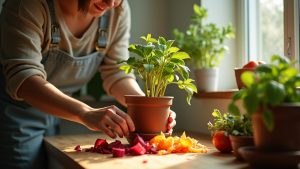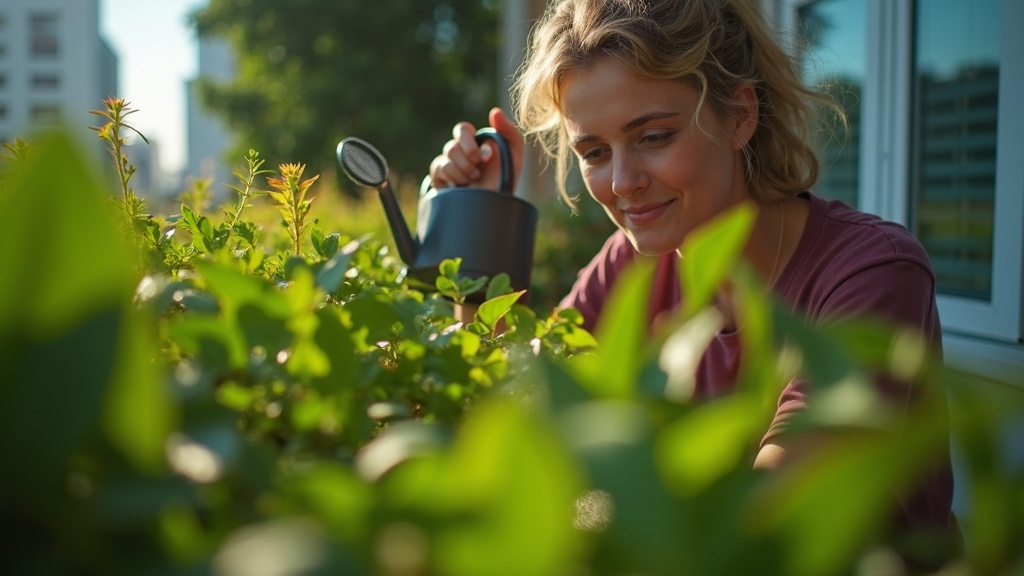
Living in an apartment can feel like living in a box sometimes. The walls press in after a long day. The noise from upstairs bleeds through. You might not even have a window that gets decent light. And when stress piles up, you need something to do with your hands that actually helps.
That’s where plants come in. Not as decoration, exactly. More like quiet companions that give you something small and real to care about. Watering a plant, pinching off a dead leaf, watching new growth unfold—these tiny actions create pockets of calm in the middle of ordinary chaos.
You don’t need a balcony or a yard to make this work. A windowsill is enough. Even a corner with a grow light will do. The point isn’t to become a master gardener or fill every surface with greenery. It’s about building a small habit that grounds you when everything else feels like too much.
Growing plants in a tight space teaches you to notice things. The way light changes through the day. How soil smells when it needs water. These small observations pull you out of your head and into the present moment, which is exactly where stress starts to lose its grip.
This isn’t about perfection or having the right setup. It’s about starting simple and seeing what happens when you give yourself permission to care for something living, even in a small apartment where space is tight and life moves fast.
Why tending plants can feel calming in a busy apartment
When you live in an apartment, especially in a city, you can spend entire days indoors without touching soil or seeing anything green. Your mind stays in work mode, scrolling mode, or worry mode. There’s rarely a natural reason to slow down.
Plant care gives you that reason. Watering a fiddle leaf fig or trimming brown edges off a pothos takes maybe five minutes, but those five minutes operate at a different speed. You’re not typing or responding to anyone. You’re just checking moisture, adjusting a pot, noticing new growth.
It’s a small routine that doesn’t demand much, but it does ask you to pay attention to something other than your own looping thoughts. That shift matters. Instead of rehashing a work email or scrolling anxiously through your phone, you’re looking at leaves, feeling soil, problem-solving in a low-stakes way.
Plants also give you something visible to care for. In apartment life, a lot of effort disappears into screens or feels invisible. But a plant responds. It grows, or it doesn’t. You can see when it needs help. That tiny feedback loop feels satisfying in a way that’s hard to find elsewhere.
And then there’s the environment itself. A space filled with green, living things just feels different. Softer. Less clinical. When you’re spending so much time indoors, that shift in atmosphere can make your apartment feel less like a box you’re stuck in and more like a place where things grow, including you.
Micro-habits that make apartment gardening a stress-relief ritual
The best part about apartment gardening for mental health is that it doesn’t need to be complicated. You’re not running a nursery. You’re just building a few small moments into your day that give your brain a break from screens and stress.
Start with a sixty-second morning check. Walk over to your plants with your coffee or tea and just look. Touch the soil. Notice if anything changed overnight. That’s it. No watering schedule, no pressure. Just a quiet hello before the day gets loud.
Watering can become your screen break ritual. When your eyes feel tired or your mind gets foggy, step away from your desk and water a plant. The act of pouring, watching the soil darken, wiping up drips—it pulls you into the present moment. Pair it with a favorite mug or a playlist that helps you reset.
Wiping leaves works surprisingly well as a wind-down activity. Get a damp cloth and gently clean dust off your plants in the evening. It’s slow, quiet, and weirdly satisfying. Your plants get healthier, and you get a few minutes where your hands are busy but your mind can rest.
When life gets chaotic and you miss a week, don’t spiral into guilt. Plants are forgiving. Pick one plant, one spot in your home, and one day of the week to check in. That’s your minimum viable routine. Everything else is bonus.
Repotting can be your weekend reset when you need something more hands-on. It’s messy in the best way—dirt under your nails, focus required, visible progress. Just don’t make it mandatory. The goal is relief, not another item on your to-do list.
Plants for relaxation that do well in close quarters
You don’t need a dozen different plants to feel the benefit. A few reliable choices can turn your apartment into a calmer space without adding stress to your routine.
Pothos is the starter plant for a reason. It survives in low light, bounces back from missed waterings, and trails nicely from a shelf or hanging pot. Snake plants are even tougher. They can go weeks without water and handle dim corners just fine. Both grow slowly, so they won’t outgrow your space overnight.
ZZ plants are another forgiving option. Their thick stems store water, which means you can forget about them for a while and they’ll still look glossy and green. Spider plants are similarly easygoing and produce little offshoots you can trim or share with friends.
Peace lilies add a softer look with their white blooms, and they’ll actually droop a bit when thirsty, giving you a clear signal before things get serious. One note though: peace lilies are toxic to cats and dogs, so skip them if you have curious pets.
If you want something you can touch and smell, try growing mint or basil on a windowsill. Herbs like these give you a sensory boost when you brush past them or snip a few leaves for cooking. They need more light than the others, but they’re still pretty forgiving.
What makes all these plants “easy” is that they tolerate mistakes. They handle inconsistent watering, adapt to different light levels, and don’t demand frequent repotting or fertilizing. That flexibility matters when you’re juggling a busy life and just want something green nearby that won’t punish you for being human.
A simple setup that works in small apartments
You don’t need a balcony or a spare room to start growing plants. Most apartment gardeners begin with a windowsill cluster of three to five small pots. This keeps everything contained and easy to water in one go. If your windowsill is narrow or nonexistent, try grouping plants on a small side table near a window instead.
Another approach is the single calm corner plant. Pick one spot in your living room or bedroom where you spend quiet time, and place a larger plant there. It becomes a visual anchor, something restful to look at when your mind is racing. The key is choosing a spot you actually use, not just wherever there’s empty floor space.
For tight quarters, vertical setups work beautifully. A simple bookshelf or floating shelf can hold several plants without eating up floor space. Just make sure it’s sturdy enough and won’t tip over. No drilling required if you use freestanding furniture or tension rods with hanging planters.
Before you buy anything, spend a day watching how light moves through your space. Notice which spots get direct sun, which stay bright but indirect, and which corners are dim all day. Most easy houseplants want bright indirect light, meaning they’re near a window but not baking in hot sun for hours.
Protect your floors and furniture by using trays or saucers under every pot. Water will leak through drainage holes, and even small drips can damage wood or carpet. This simple habit keeps your landlord happy and your security deposit intact. Choose pots with drainage holes at the bottom so roots don’t sit in soggy soil, which leads to root rot and dead plants.
Common apartment gardening frustrations and easy fixes
Here’s the truth nobody tells you upfront: you’re going to kill some plants. It’s not a character flaw. It’s just part of learning what works in your specific apartment with your specific schedule.
The most common mistake is overwatering. Most apartment plants actually die from too much love, not neglect. If the soil feels damp when you poke your finger in about an inch deep, wait a few more days. Plants in small spaces don’t dry out as fast as you’d think, especially in winter.
Yellow leaves usually mean one of two things. Either you’re watering too much, or your plant isn’t getting enough light. Try moving it closer to a window first. If that doesn’t help after a couple weeks, cut back on watering.
Fungus gnats are those annoying little flies that hover around your pots. They love moist soil. Let the top layer dry out completely between waterings, and they’ll usually disappear on their own. You can also stick a piece of yellow sticky tape near the pot to catch the adults.
If your plant stretches tall and leggy toward the window, it’s asking for more light. Move it closer or rotate it every week so it grows more evenly.
Bottom watering helps if you keep drowning your plants. Just set the pot in a bowl of water for ten minutes, let it soak up what it needs, then dump the extra. The plant takes only what it wants.
When a plant dies, don’t let it derail you. Even experienced gardeners lose plants all the time. Take a guess at what went wrong, try something different next time, and keep going. The point isn’t perfection. It’s having something alive to care for.