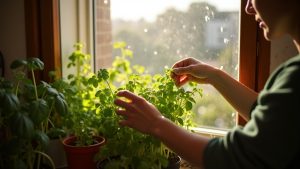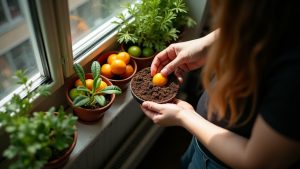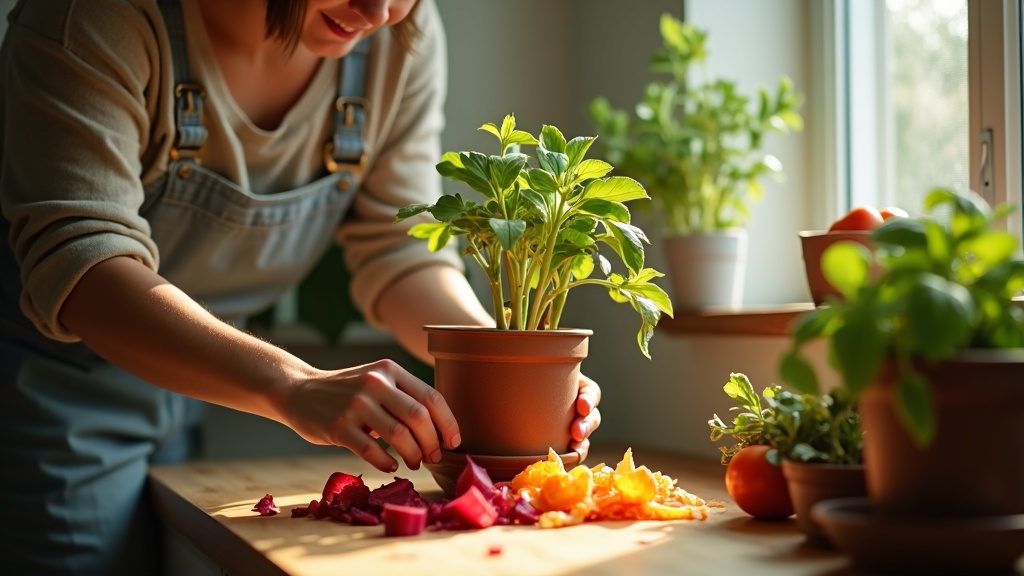
If you live in an apartment, you’ve probably felt that little pang of guilt every time you toss banana peels or coffee grounds into the trash. You know they could become compost somewhere, but without a backyard bin or a municipal program that picks up food waste, it feels like there’s not much you can do.
Here’s the good news: you don’t need a compost pile to put those scraps to work. Many of the kitchen leftovers you throw away every day can actually feed your indoor plants directly. No fancy equipment required, no outdoor space needed, and definitely no weird smells in your living room.
We’re talking about simple things like eggshells, banana peels, and used coffee grounds. These everyday scraps contain nutrients that plants love, and with just a little bit of know-how, you can turn them into DIY fertilizers right in your kitchen. It’s a small change that helps your plants thrive while keeping perfectly good organic matter out of the landfill.
The best part? Most of these methods take less effort than remembering to water your plants on schedule. You’re already generating the scraps. You’re already caring for the plants. This is just about connecting the two in ways that work for small spaces and busy lives.
Let’s look at how you can start reusing your kitchen scraps today, one banana peel at a time.
Start with what’s safe and what to keep out of your pots
Here’s the thing most people don’t realize until it’s too late: dumping leftover food scraps directly into your houseplant pots is a recipe for trouble. What works in a backyard compost pile doesn’t work when you’re living in close quarters with your plants.
In a small apartment, “safe reuse” means three things. The scraps won’t smell bad as they break down. They won’t attract bugs or fruit flies. And they won’t create a gross, moldy mess in your favorite planter.
So what should you absolutely keep out of your indoor pots? Start with anything from animals: meat, fish, bones, dairy, and eggs. These break down slowly and smell terrible while doing it. They’re also like putting up a neon sign for pests.
Oily and greasy foods are just as bad. That means no leftover pasta with sauce, no pizza crusts, no salad dressing. Oils don’t break down well in soil, and they create a film that can actually suffocate your plant’s roots.
Skip anything heavily salted or seasoned, too. Your leftover fries or that dish you over-salted at dinner? The salt will build up in the soil and damage your plants over time. Same goes for anything with a lot of sugar or artificial ingredients.
The general rule: if it would smell bad in your kitchen trash within a day or two, it’ll smell worse when it’s sitting in damp soil in your living room. When you’re working without outdoor space, playing it safe means your plants and your nose will both thank you.
Use kitchen-scrap water for gentle, low-mess feeding
If you want the easiest possible way to reuse kitchen scraps for plants, start with water. The water you use to cook or rinse certain foods picks up tiny amounts of nutrients that plants can actually use. It’s not a magic growth potion, but it’s a gentle, no-smell way to give your plants a little extra without any extra effort.
Save the water after you boil vegetables, as long as you didn’t add salt or butter. Let it cool completely, then use it to water your plants instead of pouring it down the drain. The same goes for potato-rinsing water if you rinse raw potatoes before cooking. Rice-rinsing water works too, though it can go sour quickly, so use it within a day or so.
Think of scrap water as a light bonus, not a replacement for regular watering or fertilizer. Use it occasionally, maybe once a week or every other week, and in small amounts. Most houseplants tolerate it well, especially sturdy ones like pothos, philodendrons, or snake plants. Avoid using it on very finicky plants or succulents that prefer drier conditions.
Watch for warning signs. If the soil starts to smell sour or musty, or if you notice tiny flies hovering around the pot, you’re overdoing it. Mold on the soil surface is another red flag. If that happens, just go back to plain water for a while and let things dry out a bit between waterings.
Skip anything sugary, salty, or greasy. No pasta water with salt, no fruit juice, and definitely nothing that’s been sitting around fermenting in a jar. Keep it simple and fresh, and you’ll avoid any unpleasant apartment smells.
Try a simple banana peel soak, but keep expectations realistic
Banana peel water has become one of those viral plant hacks that everyone seems to talk about. The idea is simple: soak a banana peel in water for a few hours, then use that water on your plants. It’s popular because bananas contain potassium and other nutrients that plants need, and it feels satisfying to use something you’d otherwise throw away.
If you want to try it, keep it simple and apartment-friendly. Drop a banana peel into a jar with a cup or two of water. Let it sit for a few hours at room temperature, or pop it in the fridge if you want to leave it overnight. Strain out the peel and use the water within a day or two. The goal is a quick soak, not a science experiment that starts to smell.
Here’s the honest truth: banana peel water might give your plants a gentle boost, especially if you use it occasionally as part of your regular watering routine. Think of it as a mild supplement, not a replacement for actual plant food. Your plants need a variety of nutrients in the right balance, and a quick peel soak won’t deliver all of that.
It’s fine to use this as a feel-good way to stretch your scraps a little further. Just don’t expect dramatic results or rely on it as your only fertilizer. If your plant is struggling, it probably needs proper light, better watering habits, or actual balanced fertilizer. Banana peel water is a nice extra, not a miracle cure.
Use eggshells for structure, not as a quick calcium fix
Eggshells are one of those kitchen scraps everyone seems to recommend for plants. But they don’t work the way most people think they do. Yes, eggshells contain calcium. But they break down incredibly slowly indoors, so your plants won’t get a calcium boost anytime soon. Think months or even years, not weeks.
What eggshells actually do well is add a bit of structure to your potting mix over time. As they very slowly decompose, they create tiny pockets of air and help with drainage. That’s useful, but it’s a long game. If you’re hoping to fix a plant problem quickly, eggshells won’t help.
If you want to use them, rinse the shells thoroughly as soon as you crack them. Any egg residue left behind will smell bad as it dries. Let them dry completely on a plate or tray for a day or two. Once they’re bone dry, crush them into a very fine powder using a mortar and pestle, coffee grinder, or even a sealed bag and a rolling pin.
Mix a small amount of this powder into your potting soil when you repot a plant. You can also sprinkle a light layer on top of the soil, but keep it thin. Thick layers can trap moisture and encourage mold, especially indoors where airflow is limited.
Avoid leaving large, sharp pieces in the mix. They won’t break down faster, and they can poke your fingers when you’re watering or repotting later. Fine powder is always better for indoor use.
Store and handle scraps so your home stays odor-free and bug-free
The biggest reason people give up on reusing kitchen scraps isn’t lack of interest. It’s the smell. Or the fruit flies. Or that weird liquid pooling at the bottom of a container. The good news? A few simple habits make these problems almost entirely avoidable.
First, consider your freezer your best friend. Toss scraps like banana peels, coffee grounds, or vegetable trimmings into a sealed container or zip-top bag and freeze them until you’re ready to use them. Freezing stops decomposition in its tracks, which means no smell and no bugs. When you need fertilizer, just thaw what you need.
If freezing isn’t an option, keep your scrap container somewhere cool and out of direct sunlight. Heat speeds up breakdown and invites unwanted guests. A cabinet under the sink or a shelf in a pantry works well. Always use a container with a tight-fitting lid.
Certain scraps need a little prep work. Eggshells, for example, should be rinsed clean of any egg residue and left to dry completely before storing. Wet eggshells get slimy and attract pests. If you’re saving citrus peels or other moist scraps, pat them dry with a towel first. Too much moisture looks like a soggy mess at the bottom of your container, often with a sour or rotting smell.
Finally, clean your containers regularly. A quick wash with soap and hot water every few days prevents buildup. If you notice tiny flies hovering around your plants or your scrap bin, it’s usually a sign things got too wet or sat too long. Adjust your routine, and they’ll disappear on their own.
Match the method to the plant and the potting mix you’re using
Indoor pots are not like garden beds. The soil inside a pot is a closed little world with a fixed amount of space, limited airflow, and nowhere for excess moisture or nutrients to drain away. That means things break down much more slowly indoors, and it’s surprisingly easy to overwhelm a small pot with too much of a good thing.
Some plants are naturally more forgiving when you’re experimenting with kitchen scraps. Leafy houseplants like pothos, philodendrons, and spider plants tend to be easygoing. They grow in regular potting soil that holds a bit of moisture, and they can handle the occasional dose of diluted banana water or a tiny sprinkle of crushed eggshells. Their roots are used to breaking down organic matter over time.
Other plants are pickier. Succulents and cacti live in dry, fast-draining mixes, and they really don’t like extra moisture or slow-rotting scraps sitting around their roots. Plants in very small pots also have less room to absorb or buffer anything you add, so they’re easier to accidentally overdo.
The golden rule is to start tiny and go slow. Use a teaspoon, not a handful. Wait a week or two between applications. Watch your plant and check the soil. If it starts to smell funky, or if you see mold, or if the plant looks unhappy, pull back. You can always add more next time, but you can’t easily undo a soggy, overfed pot.
Think of it like seasoning while you cook. A little at a time, taste as you go, and adjust based on what you see.
Know the red flags that mean you should stop and reset
The good news is that kitchen scrap problems announce themselves pretty clearly. You don’t need a plant science degree to know when something’s gone wrong.
The biggest warning sign is smell. A little earthy scent is normal for soil, but if you’re getting a sour, rotten, or vinegary smell that lingers, that’s your cue to stop. It usually means scraps are breaking down without enough air, creating a funky bacterial situation. Not dangerous to you, but not great for your plant either.
Mold on the soil surface is another clear signal. A bit of harmless white fuzz can happen in humid conditions, but if you’re seeing colorful mold or a thick fuzzy layer, you’ve probably added too much organic matter too fast. Same goes for a sudden explosion of tiny flying bugs around your plant. Those are usually fungus gnats, and they love overly moist soil loaded with decomposing scraps.
Check your plant’s stems near the soil line too. If they’re getting soft or mushy, or if the soil stays soggy for days after watering, you’ve likely created conditions that are too wet and oxygen-poor.
The fix is usually straightforward. Remove any visible scraps from the soil surface. Scrape off and replace the top inch or two of soil with fresh potting mix. Let the soil dry out a bit more between waterings. And consider switching to a cleaner approach, like using diluted scrap water instead of burying actual food bits. Most plants bounce back quickly once you dial things back. Think of it as a reset, not a failure.