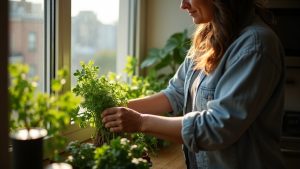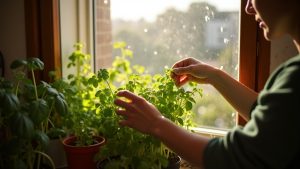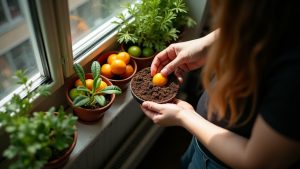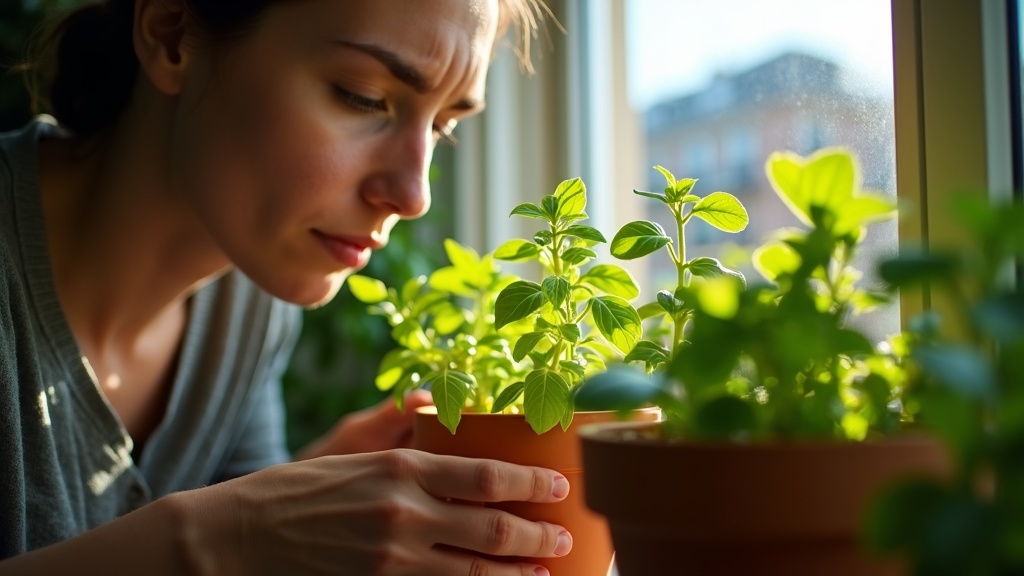
You bought basil at the grocery store with the best intentions. Maybe some mint too, or a cheerful pot of parsley. You put them on your windowsill, watered them once or twice, and then watched them slowly wither into sad, crispy shadows of their former selves.
If this sounds familiar, you’re not alone. Most windowsill herbs die within two weeks of coming home, and it’s usually not because you have a black thumb. The problem is that grocery store herbs aren’t really meant to live long lives. They’re grown fast, packed tight, and sold as temporary kitchen decorations more than actual plants.
But here’s the good news. Keeping herbs alive on a windowsill isn’t complicated or time-consuming. You don’t need to become a gardener or buy special equipment. You just need to understand a few basics about what these plants actually need each day.
Good windowsill herb care comes down to three simple things: the right amount of light, the right amount of water, and knowing when to leave them alone. That’s it. Most herbs are surprisingly forgiving once they’re in a rhythm that works.
The trick is building small, manageable habits that fit into your regular routine. We’re talking about thirty seconds in the morning and maybe another thirty in the evening. Nothing fancy. Just enough attention to keep your herbs healthy, growing, and ready when you need fresh flavor for dinner.
Choose a spot that matches how herbs actually live indoors
Most herbs die because they’re sitting in a spot that looks sunny but isn’t. A bright room and a sunny windowsill are completely different things. Your basil doesn’t care if the room feels light and airy. It cares about direct sunlight hitting its leaves for several hours a day.
Stand by your window around midday and watch where the sun actually lands. Does it shine directly on the sill, or does it just make the room bright? South-facing windows get the most consistent light in the northern hemisphere. East-facing windows get gentler morning sun. West-facing windows can get intense afternoon heat. North-facing windows rarely give herbs what they need, even if the room feels plenty bright.
Count the hours of direct sun your windowsill actually gets. Most common herbs like basil, thyme, and rosemary want at least four to six hours. Less than that and you’ll see your plants start stretching toward the window, growing tall and spindly with pale, thin leaves. That leggy look means they’re desperately searching for more light.
Glass creates its own problems too. Windows can radiate cold at night, especially in winter. If your herbs are pressed right against the glass, they might be getting chilled even though your apartment feels warm. Move pots a few inches back from the glass when temperatures drop. You’ll also notice that more light means soil dries out faster, so where you place your herbs directly affects how often you’ll need to water.
Rotate your pots a quarter turn every few days so all sides get equal light. If your herbs are leaning hard toward the window, that’s your sign the spot isn’t quite right.
Water in a way that prevents both soggy roots and dry spells
Most people kill their herbs by watering too often, not by using too much water at once. The real problem is frequency. When soil stays wet all the time, roots can’t breathe and they start to rot. Your basil doesn’t need a little drink every day. It needs a proper soak when it’s actually thirsty.
Here’s a simple routine that works. Stick your finger into the soil up to your first knuckle. If it feels damp, wait. If it feels dry, pick up the pot. A light pot means the soil has dried out enough to water. A heavy pot means there’s still moisture down below, even if the top looks pale and crusty.
When you do water, do it thoroughly. Pour until water runs out the drainage hole at the bottom. Yes, your pot needs a drainage hole. If water can’t escape, it pools at the bottom and drowns the roots. If your herb came in a plastic nursery pot inside a prettier outer pot, that’s actually ideal. Water the plant in its inner pot, let it drain for ten minutes, then dump any water sitting in the decorative outer pot.
What if you’ve already overwatered? Empty the catch tray or outer pot immediately. Don’t water again until the top inch is bone dry. Move the plant somewhere with better airflow, like near an open window or a fan. This helps the soil dry faster. Your herb might look a little sad for a few days, but it’ll usually bounce back once it gets some oxygen.
Use pots and soil that don’t trap moisture in small spaces
Most store-bought herbs arrive in tiny plastic pots designed for the garden center, not your apartment. The roots are often tangled in circles, packed into a dense ball that can barely absorb water. The soil mix is usually heavy with peat, which holds moisture like a sponge and stays soggy for days. Add a pot with no drainage hole, and you’ve got a recipe forroot rot, even if you’re being careful with your watering can.
A proper windowsill setup fixes all three problems. You want a pot with at least one drainage hole at the bottom. Pair it with a saucer to catch the runoff, and empty that saucer within an hour so the roots aren’t sitting in standing water. For soil, look for a light, fluffy potting mix that dries out between waterings. It should feel airy when you squeeze it, not dense and muddy.
Watch for signs your herb needs repotting. If roots are poking out the drainage hole or circling the surface, the plant has outgrown its home. Water pooling on top instead of soaking in means the soil is compacted or the roots are too crowded. If your plant looks droopy right after watering instead of perking up, that’s another red flag.
If you can’t repot right away, there are quick fixes. Split the plant into two smaller pots to give the roots breathing room. Gently loosen the top layer of soil with a fork to help water soak in. Most importantly, cut back on watering frequency until you can give the plant a better home. A cramped, soggy pot needs less water, not more.
Prevent the apartment problems: still air, dry heat, and cold drafts
Your apartment might feel comfortable to you, but herbs can struggle with the same indoor climate you barely notice. The three biggest troublemakers are stagnant air, bone-dry heat from radiators, and cold drafts sneaking in around windows. Each one quietly stresses your plants in different ways.
Still air is the sneakiest problem. Without any breeze, moisture sits on leaves and soil instead of evaporating normally. That trapped dampness invites powdery mildew, which looks like someone dusted your basil with flour. It also creates perfect conditions for fungus gnats, those tiny flies that hover around the pot. Give your herbs some breathing room by spacing pots a few inches apart, and crack a window for ten minutes on mild days to get air moving.
Dry heat from radiators or forced air vents acts like a hair dryer pointed at your plants. Leaf edges turn brown and crispy, even when the soil feels moist. If your herbs sit directly above or beside a heating source, move them. Even a foot or two of distance makes a real difference.
Cold drafts work the opposite way but cause just as much trouble. A windowsill that feels fine during the day can drop twenty degrees at night in winter. Cold glass chills the leaves touching it, and roots in small pots cool down fast. Pull pots an inch back from the glass, and if you notice leaves turning dark or mushy where they touched the window, that’s cold damage. On especially frigid nights, move plants away from the window entirely or tuck a kitchen towel between the pot and the glass as insulation.
Watch for the warning signs. White powdery film means mildew. A fuzzy layer on the soil surface means mold. Crispy leaf edges mean too much heat or dryness. Catch these early and a simple location shift usually fixes everything.
Trim and harvest so herbs stay bushy instead of collapsing
Here’s the part most beginners miss: harvesting your herbs isn’t just about getting leaves for dinner. It’s actually the main way you keep the plant healthy and full. When you snip off the tips regularly, the plant responds by growing two new shoots where you cut. Skip the trimming, and you get one sad, tall stem that eventually topples over.
The trick is to cut in the right spot. Look for where two leaves branch out from the stem. Cut just above that pair, leaving about a quarter inch. This tells the plant to send out new growth from those leaf joints instead of just stretching taller. Do this every week or two, even if you don’t need the herbs right away.
Many people make the mistake of only picking the biggest, prettiest leaves from the bottom of the plant. That doesn’t help at all. You want to pinch or cut the growing tips at the top, where the newest, smallest leaves are forming. Yes, it feels weird to cut off the tender new growth, but that’s exactly what keeps your basil or mint from turning into a leggy mess.
Another common problem is letting your herbs flower indoors. Those little buds might look cute, but once a plant flowers, it puts all its energy into making seeds instead of tasty leaves. Pinch off any flower buds as soon as you spot them.
When trimming is working, you’ll see the difference fast. Instead of one main stem shooting up, you get a bushier plant with lots of side branches. It looks fuller, stays shorter, and gives you way more leaves to work with. The plant stays compact enough for your windowsill instead of sprawling into your living space.