You brought home a beautiful pothos or a cheerful succulent, and now tiny bugs are hovering around the pot. Or maybe you spotted something sticky on your monstera’s leaves. It happens to almost everyone who keeps plants indoors, and it doesn’t mean you’ve done anything wrong.
Indoor plant pest control sounds intimidating, especially when you’re living in a small apartment with roommates, pets, or neighbors just a wall away. The usual advice often involves chemical sprays or treatments that feel too harsh for close quarters. You might worry about your cat getting curious, or about that smell lingering in a shared hallway.
The good news is that most common indoor pests like fungus gnats and aphids are surprisingly manageable without any harsh products. You don’t need a garage full of equipment or a degree in horticulture. What works best is actually a set of simple, regular habits that stop problems before they start and catch small issues before they become big ones.
This approach fits naturally into apartment gardening because it focuses on prevention and gentle solutions. Think of it like washing dishes regularly instead of waiting for a mountain to pile up. A few minutes of attention each week keeps your plants healthy and your space comfortable for everyone sharing it.
You can absolutely have thriving indoor plants without turning your home into a science experiment. Let’s look at how to build those simple routines that work with your space, your schedule, and the people and pets around you.
Learn the early signs before pests spread
The best time to deal with pests is before you have an actual problem. That means checking your plants regularly, even when everything looks fine. Think of it like wiping down your kitchen counter: a quick habit that prevents bigger messes later.
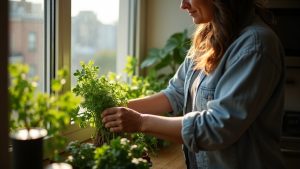
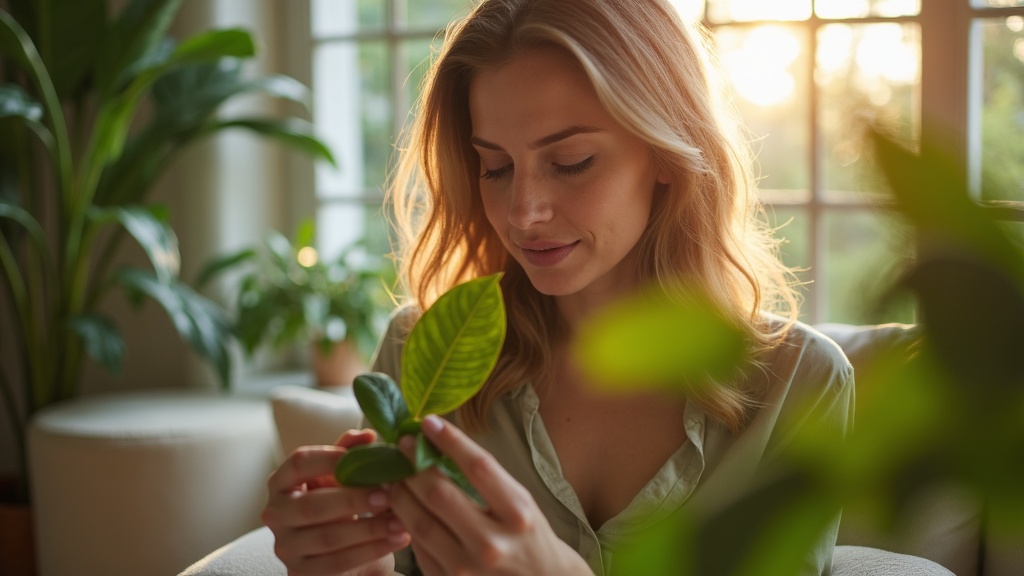
Start by getting close to your plants once or twice a week. Look at the leaves, especially the undersides where pests like to hide. You’re searching for anything unusual: tiny dots that move when you breathe on them, sticky residue that feels tacky to the touch, or leaves that suddenly look speckled or yellowing in odd patterns.
Pay special attention to where the leaves meet the stem. Pests love these protected spots. You might see cottony white clumps tucked into these joints, or thin webbing stretched between leaves like miniature spider webs. Both are signs that unwelcome guests have moved in.
Don’t forget the soil line where the stem enters the dirt. Small dark flies hovering around the pot or crawling on the soil surface are usually fungus gnats, one of the most common apartment plant pests.
This whole check takes about thirty seconds per plant once you know what you’re looking for. You don’t need a magnifying glass or special equipment. Just your eyes and maybe a quick touch to check for stickiness. If you have more than a few plants, pick two or three days a week and make it part of your routine, like checking your mailbox.
Catching problems early means you can often fix them with nothing more than water and a cloth. Wait too long, and you’ll be dealing with a full infestation that’s much harder to control in a small space.
Use quarantine to protect the rest of your plants
When you spot pests on one plant, your first job is to separate it from the others. Think of it like keeping a sick friend home from a party. Pests spread fast when leaves are touching or even just close together, so distance matters.
A bathroom with a window works perfectly for isolation. The light keeps your plant happy while the closed door keeps pests contained. If your bathroom is too dark, try a windowsill in a different room, as far from your other plants as possible. Even a few feet of separation helps break the pest life cycle.
For really cramped spaces, you can create a temporary barrier using a clear plastic storage bin or a large freezer bag with a few small holes poked in for airflow. This isn’t a permanent home, but it buys you time to treat the problem without turning your whole apartment into pest territory. Just make sure your plant isn’t cooking in there—check it daily and don’t leave it in direct sun if it’s sealed up.
Keep the infested plant isolated for at least two weeks, even after you stop seeing bugs. Eggs take time to hatch, and you want to catch any stragglers before reuniting it with your collection.
While the plant is away, wipe down the shelf or table where it lived. Clean the saucer and check nearby plants carefully for hitchhikers. When you bring a new plant home from the store, give it the same treatment. A week or two of quarantine might feel excessive, but it’s much easier than dealing with an infestation that spreads to ten plants instead of one.
Adjust care routines that quietly attract pests
Most indoor plant pests don’t just wander in randomly. They show up because something in your space is sending them an invitation. The good news is that a few small tweaks to your everyday plant care can make your home a lot less appealing to them.
Overwatering is the biggest culprit. When soil stays damp all the time, it becomes a perfect breeding ground for fungus gnats. These tiny flying bugs lay eggs in moist soil, and their larvae feed on organic matter and roots. You don’t need to let your plants get bone dry, but letting the top inch or so of soil dry out between waterings makes a huge difference. Stick your finger in the soil before you water. If it feels damp, wait another day or two.
Don’t forget about drip trays. That little pool of water sitting under your pot is basically a gnat resort. Empty those trays an hour or so after watering so your plants aren’t sitting in standing water.
Light matters more than you might think. Plants that don’t get enough light grow weak and stressed, which makes them easier targets for aphids and other pests. If your plants are stretching toward the window or looking pale, they’re struggling. Moving them closer to light or adding a simple grow light can help them stay strong enough to shrug off pests.
Finally, give your plants a little breathing room. In apartment gardening setups where space is tight, it’s tempting to crowd plants together. But when leaves are constantly touching, pests can hop from plant to plant easily, and air can’t circulate. A few inches of space between pots helps keep things healthier all around.
Use simple cleaning methods that work indoors
Sometimes the best indoor plant pest control starts with soap and water. When you catch aphids or other visible pests early, a gentle rinse or wipe can remove them before they multiply. This approach works especially well in small spaces where you want to avoid sprays drifting onto furniture or into the air your family breathes.
For smaller plants, carry them to the kitchen sink or bathroom and rinse the leaves under lukewarm water. Cup your hand over the soil so it doesn’t wash away, then gently spray or pour water over the tops and undersides of leaves. Aphids and their sticky residue usually wash right off. Let the plant drain in the sink before moving it back.
Larger plants that won’t fit in the sink can get a wipe-down instead. Use a soft, damp cloth and gently clean each leaf, paying attention to the undersides where pests like to hide. This method also removes dust, which helps your plant breathe better and makes it easier to spot new problems early.
If you find leaves covered in pests or eggs, don’t try to save them. Prune those leaves off and seal them in a plastic bag before tossing them in the trash. This prevents pests from crawling back out or spreading to other plants nearby.
After you’re done, wash your hands and any tools you used. Dirty pruning shears or cloths can carry pests or eggs to the next plant you touch. Also avoid reusing potting mix from infested plants, even if it looks clean. Pest eggs can survive in soil and start the cycle all over again.
Cleaning won’t eliminate a heavy infestation on its own, but it’s a smart first step that keeps your space safe and your plants healthier while you figure out what else might help.
Choose targeted, low-odor treatments when you need them
Sometimes you need to bring in reinforcements, even after careful prevention. The good news is that you can manage most common apartment gardening pests without spraying chemicals all over your living room.
Insecticidal soap is one of the gentlest options for aphids indoors and other soft-bodied insects. It works by breaking down their outer coating, but it only affects bugs that get directly wet. That means you need to spray both sides of leaves, especially the undersides where pests love to hide. Do this near an open window or on a balcony if you have one. The soap itself rinses off with plain water after a few hours.
Neem-based products are popular for organic pest management, but they come with a catch. Neem oil has a distinct smell that some people find unpleasant, and it lingers in small spaces. If you’re sensitive to odors or share your home with others, test it in one room first. Apply it in the evening so it can work overnight, and keep in mind that neem needs direct contact with pests to be effective.
Horticultural oil works similarly by smothering insects and their eggs. It has less odor than neem but can stress plants if applied too heavily or in strong light. Always test any treatment on a few leaves first and wait a day to make sure your plant tolerates it.
Sticky traps are your quietest option for fungus gnats and other flying pests. Place them directly in the soil or just above it. They won’t solve an infestation alone, but they catch adults before they lay more eggs. No smell, no spraying, and you can tuck them behind foliage if the yellow cards bother you aesthetically.
Handle fungus gnats with soil-focused steps
Fungus gnats are those tiny black flies that hover around your pots and seem to multiply overnight. They love moist soil rich in organic matter, which is basically every potted plant. The adults are mostly harmless, but their larvae feed on roots and can weaken smaller plants. The good news is you can break their cycle without spraying anything.
The most effective step is letting your soil dry out more between waterings. Fungus gnat larvae need consistently damp conditions to survive. If your plant can tolerate it, wait until the top inch or two of soil feels dry before you water again. This simple shift makes the environment much less welcoming for eggs and larvae.
Sticky traps are your second ally. Place yellow sticky cards near affected plants to catch the adult gnats. This won’t solve the problem alone, but it reduces the number of adults laying new eggs and helps you track whether the population is shrinking.
Bottom-watering can also help. Pour water into the saucer and let the plant soak it up from below. This keeps the top layer of soil drier, which is where adults prefer to lay eggs. Just make sure to dump any water the plant doesn’t absorb within an hour or so.
Adding a thin layer of sand, pebbles, or even cinnamon on top of the soil creates a dry barrier that discourages egg-laying. It’s a small step that can make a real difference over time.
Finally, check your drainage. If water sits in saucers or your pots lack drainage holes, you’re creating a gnat paradise. Empty those saucers and make sure excess water can escape. If the problem persists after a few weeks of these adjustments, then you might consider repotting with fresh soil.
Deal with aphids and other soft-bodied pests without drama
Aphids show up as tiny soft-bodied insects clustered on new leaves, stems, and anywhere a plant is putting out fresh growth. They love tender spots. Check the underside of young leaves and the joints where leaves meet stems. If you see small green, black, or tan bugs gathered together, often in groups, you’re likely looking at aphids or a close cousin like mealybugs or whiteflies.
Your first move is simple: get that plant away from the others. Put it in a bathroom, laundry room, or anywhere separate. These pests spread easily from leaf to leaf, so isolation buys you time.
Next, knock them off. Take the plant to the sink or shower and gently rinse the affected areas with lukewarm water. Use your fingers or a soft cloth to wipe the leaves clean while the water runs. Most of the pests will wash right off. This isn’t a forever fix, but it drops the population fast.
If they come back within a few days, mix a very mild soap solution. Use a teaspoon of plain liquid castile soap or dish soap in a quart of water. Spray or wipe it onto the affected areas, wait a few minutes, then rinse. You can also try diluted neem oil or insecticidal soap from a garden shop if plain soap isn’t cutting it.
The catch is that these treatments only work on contact. They don’t kill eggs or pests you missed. So repeat the treatment every three to five days for two weeks. During that time, check your other plants daily. Look at the same tender spots where aphids like to gather. Catching a stray pest early means you won’t be doing this all over again next month.
Build a maintenance routine that keeps pests from returning
The best way to avoid pest problems is to catch them before they explode into an infestation. That means checking your plants regularly, but not obsessively. Pick one day each week when you’re already home and relaxed. Sunday morning with coffee works for some people. Wednesday evening after work for others.
During your weekly check, look at the leaves, especially the undersides where pests like to hide. Feel the soil to see if it’s actually dry before watering. Pull off any dead or yellowing leaves right away. These attract fungus gnats and can harbor aphids or other tiny insects.
Keep a small basket or drawer near your plants with everything you need: a soft cloth for wiping leaves, a pair of gloves, and a few sticky traps. This makes it easy to handle small tasks on the spot instead of putting them off.
If you notice a plant looking sad or stressed, move it away from your other plants immediately. Give it some space on a windowsill or table where you can watch it closely for a few days. Sometimes a plant is just adjusting, but isolation stops problems from spreading if pests are involved.
One habit that really helps is going easy on fertilizer. Overfed plants grow soft, lush leaves that pests find irresistible. They’re like candy to aphids. Stick to less frequent feeding, especially in winter when growth slows down naturally.
Turn your plants a quarter turn each week so all sides get light. This keeps them growing evenly and prevents weak, stretched-out growth that attracts trouble. It also gives you a chance to spot anything unusual from all angles.