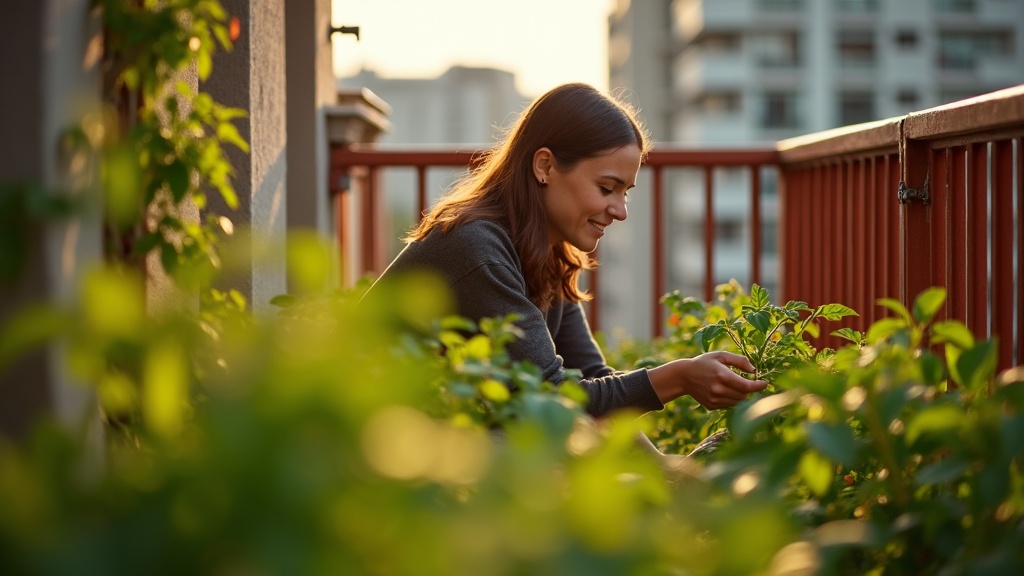
You don’t need a backyard to grow real food. A small balcony can produce enough vegetables to make a noticeable difference in your weekly cooking. Not just a few decorative herbs, but actual meals worth of tomatoes, greens, peppers, and more.
The key is knowing which vegetables actually thrive in containers and how to set them up for success. Some plants are perfectly happy in pots and will reward you with steady harvests. Others struggle no matter what you do, wasting your time and money on a few sad leaves.
When we say productive, we’re talking about vegetables you’ll actually eat multiple times. Think a steady supply of salad greens for weeks, or enough cherry tomatoes to snack on daily through summer. Not farm quantities, but enough to feel like you’re genuinely feeding yourself from your balcony.
Container gardening does have limits. You won’t grow winter squash or full-sized pumpkins in a pot. But you’d be surprised how much food fits into a small space when you choose the right plants and give them what they need.
This guide focuses on vegetables that deliver real harvests without requiring expert skills or perfect conditions. We’re talking about plants that forgive beginner mistakes, produce reliably in containers, and actually taste good enough to make the effort worthwhile. Because the goal isn’t just having plants on your balcony. It’s having fresh vegetables in your kitchen.
A few balcony realities that matter more than plant variety
Most balcony vegetable failures aren’t about choosing the wrong tomato type. They’re about sun, wind, heat, and water. Get those right, and even a basic cherry tomato will produce more than you expect. Get them wrong, and the fanciest heirloom won’t give you a single ripe fruit.
Sun hours matter most. If your balcony gets less than six hours of direct sun, fruiting plants like tomatoes and peppers will grow leaves but produce very little. Leafy things like lettuce and spinach can work with four hours. Track where the sun actually hits throughout the day before you buy anything. That sunny morning spot might be in full shade by noon.
Wind dries out containers faster than anything else. On a breezy balcony, a pot that should last two days between watering might need water twice daily. The solution isn’t complicated. Group your pots together so they shelter each other. Put taller plants on the windward side. Even a simple bamboo screen or railing planter can cut wind enough to make a real difference.
Balcony walls and floors radiate heat. A pot sitting against a sun-baked wall in summer can cook roots and dry out in hours. Pull containers a few inches away from hot surfaces. Use larger, heavier pots that hold more soil and don’t heat through as quickly. More soil means more water reserve and more stable temperatures.
The pattern behind most apartment vegetable gardening frustration is simple. Plants looked healthy but produced almost nothing. Nine times out of ten, that’s a watering problem or a light problem. Not bad luck, not a curse, not your lack of a green thumb. Just physics you can work around once you notice it.
Leafy greens and herbs that deliver fast, repeat harvests
If you want to see results quickly on your balcony, leafy greens and herbs are your best friends. Most are ready to eat in three to six weeks, and you can keep harvesting from the same plant for months. They have shallow roots, so they’re happy in containers that are only six to eight inches deep. That means you can fit more pots in a small space.
Lettuce is the star performer here. Look for loose-leaf varieties rather than the tight heads you see in grocery stores. You snip off the outer leaves when they’re big enough to eat, and the plant keeps growing new ones from the center. The same trick works for arugula, which grows even faster and has a peppery kick that makes salads interesting.
Swiss chard is nearly indestructible and handles heat better than most greens. The colorful stems look good on a balcony, and you can harvest outer leaves all summer long. Spinach is wonderful too, but it only likes cool weather. Plant it early spring or fall, otherwise it bolts straight to seed.
For herbs, basil and parsley are workhorses. Keep pinching off the top leaves and any flower buds that appear. This forces the plant to branch out instead of going to seed, which means more leaves for you. Scallions regrow from their roots if you leave an inch at the bottom when you harvest. Some people even stick store-bought scallion roots in soil and get a second crop.
Cilantro grows fast but also goes to seed fast, especially in heat. The trick is to plant a small pinch of seeds every two weeks instead of one big batch. That way you always have some ready while the next round is coming up. Mint grows like crazy, but plant it alone or it will take over everything else in the pot.
Fruiting vegetables that are worth the space on a balcony
Fruiting vegetables get a mixed reputation in containers, but some are genuinely productive if you choose the right varieties. The key is picking plants bred to stay compact while still cranking out food. These aren’t just miniature versions of garden plants. They’re varieties that naturally flower and fruit repeatedly in a smaller footprint.
Cherry tomatoes and patio tomatoes are the most reliable performers. Look for varieties labeled as determinate or patio types, which stay bushy rather than climbing endlessly. They’ll produce handfuls of tomatoes every few days once they get going. You’ll need a pot that holds at least three gallons of soil, roughly the size of a large bucket. Push a simple stake or small cage into the soil when you plant, not later when roots are established.
Compact peppers work beautifully on sunny balconies. Both sweet mini bell types and hot peppers stay tidy and keep flowering as long as it’s warm. They’re less thirsty than tomatoes and handle a missed watering better. A two to three gallon pot works fine for most pepper varieties.
Bush cucumbers surprise people with how much they produce from a modest pot. Even the compact types appreciate a small trellis or a few bamboo stakes tied together. This keeps fruit off the soil and makes harvesting easier. Plan for a three to five gallon container here.
Dwarf eggplants are worth trying if your balcony gets serious sun and warmth. They fruit heavily but need consistent moisture and a light feeding every couple of weeks with any general container fertilizer. These plants don’t forgive neglect as easily as peppers, but the harvest can be impressive in the right spot.
Vertical growers that turn railing space into food
Most balconies have plenty of unused vertical space along the railing. That empty air can produce more food than a half-dozen small pots sitting on the floor. Growing upward also keeps your floor clear for chairs, watering cans, and actually using your balcony.
Pole beans are perfect for warm weather vertical growing. They climb enthusiastically, produce heavily, and don’t need much ground space. A single container with three or four plants can give you pickings all summer. Just run some string or netting from the pot up to your railing or overhead structure, and the vines handle the rest.
If you have cooler weather or partial shade, try compact peas instead. They climb but stay shorter than beans, making them easier to manage on a windy balcony. Sugar snap peas are especially rewarding because you eat the whole pod, which means more food per plant.
Cucumbers work well if you have strong sun for at least six hours. Choose compact or bush varieties rather than sprawling types. They’ll climb a simple support and produce surprisingly well in containers. You can train the vines horizontally along a railing too, which spreads them out and keeps them from catching too much wind.
The wind issue matters more than most people expect. A big leafy vine acts like a sail, which can topple pots or damage plants. Space your vertical growers so they’re not packed into a solid wall of leaves. Use loose netting instead of solid panels, and tie vines in several spots rather than letting them flap freely. This lets wind pass through instead of pushing against a green wall.
One tall planter with climbing vegetables will usually outproduce three or four small pots of lettuce or herbs. You’re using the same floor space but harvesting from several feet of vine instead of a few inches of leaves.
Root vegetables that actually make sense in containers
Most root vegetables need more room underground than you’d think, which is why so many balcony gardeners end up disappointed. But a few types actually do well in pots if you pick the right ones and give them what they need.
Radishes are your best friend here. They grow fast, don’t need much depth, and practically raise themselves. You’ll be eating them in three to four weeks. Baby carrots work too, but ignore the long grocery store varieties. Look for short, stubby types bred for containers. They won’t win beauty contests, but they taste great.
Beets and small turnips also make sense if you have deeper pots. They need loose, fluffy potting mix so the roots can swell without hitting hard-packed soil. Think of it like trying to blow up a balloon in a tight box versus an open space. Loose soil lets them expand.
Here’s what success actually looks like: smaller vegetables than you’d buy at the store, but packed with flavor. A radish might be golf ball sized instead of tennis ball sized. That’s fine. You grew it yourself, and it’s still delicious.
The main reason roots fail in containers is overcrowding. When seeds sprout, thin them out so each plant has elbow room. It feels wasteful to pull out baby plants, but it’s necessary. Crowded roots stay tiny and weird-shaped.
Keep the soil consistently moist but not soggy. Roots that dry out then get flooded tend to crack or taste bitter.
Skip potatoes unless you have a big, dedicated container. They need serious depth and space. If you do try them, use a container at least as deep as a kitchen trash can and expect a modest harvest.
Plants that let you harvest, regrow, and keep the pot productive
Some plants keep giving without needing to be replanted. These are the workhorses of a small balcony garden, and they’re worth prioritizing if you want consistent harvests without constantly buying new seedlings.
Scallions are the easiest example. Buy a bunch at the store, use the green tops, then plant the white root ends in soil. They’ll regrow leaves in about two weeks. You can harvest and regrow them several times before they lose steam. It’s not infinite, but you’ll get three or four good cuttings from each root cluster.
Perennial herbs like chives, thyme, and oregano come back year after year if your winters aren’t too brutal. Plant them once and trim what you need. They actually grow better with regular cutting. Chives will even flower if you let them, which looks nice but reduces leaf production.
Celery hearts can regrow leaves when you stick the base in soil after using the stalks. You won’t get full new stalks, just smaller leafy greens that work fine for cooking. It’s a modest bonus, not a miracle.
Hardy greens like kale or chard let you pick outer leaves while the plant keeps producing new ones from the center. A single plant can keep going for months this way.
To keep these repeat performers actually performing, refresh the top inch or two of potting mix every few months. Trim regularly so plants don’t get woody or exhausted. And don’t let the pots dry out completely, since stressed plants stop producing.
Think of regrowing as a way to stretch your harvest, not replace grocery trips. It’s supplemental, but on a small balcony, supplemental adds up.
Small habits that noticeably increase harvest in containers
The difference between a balcony garden that actually feeds you and one that just limps along usually comes down to a handful of quick habits. Most of them take less than five minutes.
Start with morning watering checks. Container soil dries out fast, especially in summer sun or wind. Stick your finger into the top inch of soil every morning. If it feels dry, water deeply until you see it run out the drainage holes. One missed watering day can stress a tomato or pepper plant enough to drop flowers, which means lost fruit you’ll never get back.
Cover the soil surface with an inch of mulch. This can be wood chips, straw, or even shredded newspaper. It keeps moisture from evaporating and means you’ll water less often. In a small pot, that moisture buffer matters more than people expect.
Feed your plants in a simple pattern. Container soil runs out of nutrients faster than garden beds because there’s less of it and water washes things through. A basic liquid fertilizer every two weeks keeps production steady. Skip it and you’ll get smaller harvests or plants that just stop setting fruit.
Rotate your pots every few days so all sides get sun. Plants that lean toward light develop unevenly and produce less. A quick quarter turn keeps growth balanced.
Harvest often, even if things look small. Picking beans, zucchini, or lettuce regularly tells the plant to make more. Wait too long and the plant thinks its job is done. You’ll get one big zucchini instead of six smaller ones over two weeks.
These aren’t complicated techniques. They’re just small actions that match how containers actually work. Do them and your plants will reward you with real food, not just greenery.
How to choose vegetables based on your sun and your container size
The biggest mistake new balcony gardeners make is planting tomatoes in shade or trying to grow peppers in a yogurt container. Your results depend on matching what you plant to the light and space you actually have.
Start with your sunlight situation. If your balcony gets less than four or five hours of direct sun each day, focus on leafy greens and herbs. Lettuce, spinach, arugula, parsley, and cilantro will all grow happily in partial shade. They actually prefer some relief from intense afternoon sun. If your balcony is bright most of the day, you can grow almost anything, including tomatoes, peppers, eggplants, and cucumbers.
Container size matters just as much as light. A tomato plant needs at least a five-gallon pot to produce well. That’s roughly the size of a standard mop bucket. Peppers can work in slightly smaller containers, but they still need room for roots. If you only have space for small pots, stick with herbs like basil and thyme, or try scallions and radishes. These thrive in compact spaces.
Here’s a useful principle: one large container will almost always give you more food than three tiny ones. A single big pot of cherry tomatoes can produce dozens of fruits over a season. Three small pots of random vegetables will give you a handful of leaves and frustration.
Think about it this way. If you have a shady spot and small containers, grow a lettuce mix and some parsley. If you have strong sun and one large pot, put a tomato in it. The best vegetables for balcony gardens aren’t the exotic ones or the prettiest ones. They’re the ones that match what your balcony can actually provide.





