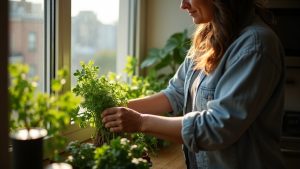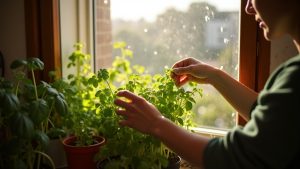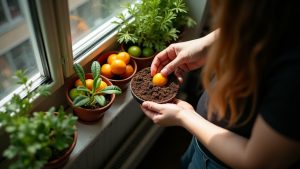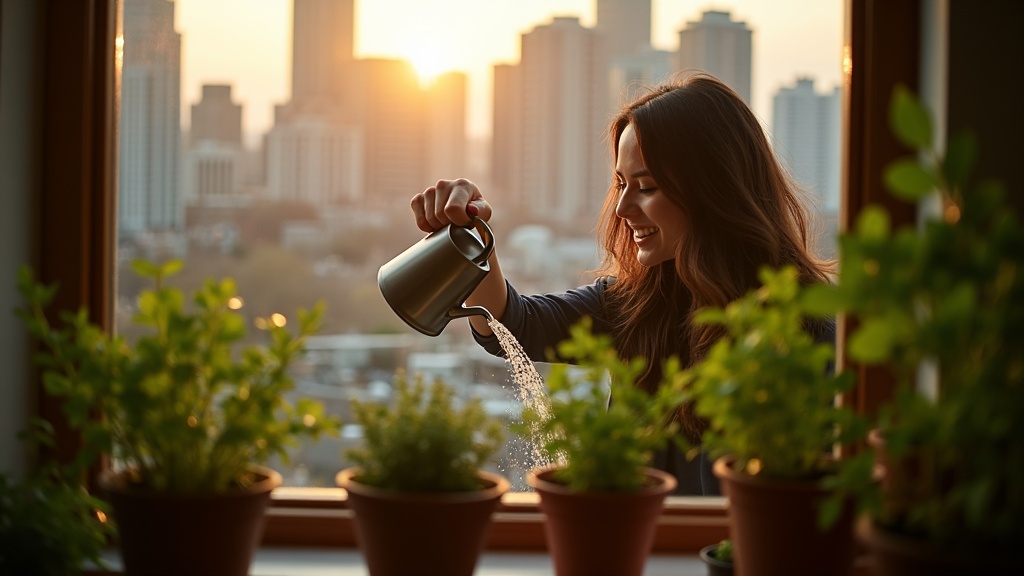
You don’t need a sunny balcony or a backyard to grow fresh herbs. If you have a windowsill and a bit of curiosity, you can keep a small collection of kitchen herbs alive in your apartment. Even if your window doesn’t flood the room with light, there are herbs that will tolerate what you’ve got.
The trick is adjusting your expectations. Your indoor basil might not look like the lush bunches at the farmer’s market. But it will give you enough leaves to snip into a pasta sauce or sprinkle over eggs. That’s what success looks like when you’re growing herbs indoors with limited space and light.
Many beginners assume they need special equipment or a green thumb to make windowsill gardening work. The truth is simpler. You need to pick the right herbs, understand how much light your window actually gets, and learn a few basic habits around watering. Most mistakes come from overthinking it or trying to replicate outdoor growing conditions indoors.
This guide focuses on the practical realities of apartment life. We’ll talk about which herbs handle lower light, how to make the most of a single window, and what a realistic beginner indoor garden actually looks like. You’re not aiming for perfection. You’re aiming for fresh herbs you can actually use, grown in whatever space you have available.
Pick the best window spot you actually have
You don’t need a perfect sunny window to grow herbs indoors. You just need to understand what you’re working with and make a few small adjustments.
Start by watching your window for a day or two. Most herbs want at least four to six hours of reasonably bright light. That doesn’t mean direct sunshine hitting the leaves the whole time. It means the kind of light where you could comfortably read a book without turning on a lamp. South-facing windows usually give the most light, but east or west can work well too, especially in summer.
Check for trouble spots while you’re observing. If you have a radiator directly under the windowsill, the air might get too hot and dry for your plants. If the window feels drafty or icy cold in winter, that’s a problem too. Herbs don’t like sudden temperature swings or leaves pressed against freezing glass.
If your windowsill isn’t ideal, you can still make it work. Try putting your pots on a small tray or overturned dish to lift them slightly away from a hot radiator. In winter, move pots back from the glass by a few inches at night to avoid the coldest zone. If one side of your window gets more light, rotate your pots every few days so all sides of the plant get a turn.
Sometimes the best spot isn’t technically a windowsill at all. A small shelf or table right next to the window can give you more room and better control over temperature. The key is staying close to the glass where the light actually reaches.
Start with a few herbs that forgive beginner mistakes
When you’re just starting out with growing herbs indoors, you don’t need ten different varieties competing for space on your windowsill. Pick two or three that actually want to be there, and you’ll have fresh herbs without the frustration.
Basil is probably the easiest herb to love. It grows fast, smells amazing, and you can see progress within days. The more you snip off the top leaves for cooking, the bushier it gets. Just don’t let it flower or it’ll start tasting bitter.
Mint is nearly indestructible. It tolerates less-than-perfect light better than most herbs, and it bounces back even if you forget to water it for a few days. The only challenge is that it grows so enthusiastically you might need to trim it back regularly. But that’s a good problem when you’re learning.
Parsley takes a bit longer to get going, but once it’s established, it just keeps producing. You can harvest outer leaves whenever you need them, and the plant keeps growing from the center. It’s remarkably patient with beginners.
Here’s something that saves a lot of headaches: buy small plants instead of starting from seeds. Seeds need consistent warmth, moisture, and often more light than a typical apartment window provides. A small plant from a nursery or grocery store gives you a head start and lets you skip the trickiest part of the process.
You’ll pay a few dollars more upfront, but you’re buying time and a much better chance of success. Once you’ve kept a plant alive and harvested from it a few times, then you can experiment with seeds if you want the challenge.
Use containers and soil that make watering hard to mess up
Most herbs die indoors because their roots sit in water too long. The fix is surprisingly simple: use pots with drainage holes and soil that lets water flow through easily.
A drainage hole at the bottom of your pot lets excess water escape instead of pooling around the roots. Pair your pot with a saucer underneath to catch the drips, and you won’t have puddles on your windowsill. This setup gives you a safety margin when you water—a little too much runs right through instead of drowning your plant.
If you fall in love with a decorative pot that doesn’t have drainage, don’t drill holes in it. Just keep your herb in the plastic nursery pot it came in and set that inside the pretty one. When you water, pull out the inner pot, let it drain completely in the sink, then nestle it back into place. This keeps both your plant and your decor happy.
For soil, grab a bag labeled indoor potting mix or container mix from any garden center or hardware store. These mixes are light and fluffy, designed to drain well while still holding some moisture. Regular garden soil is too heavy for pots and turns into a dense, soggy mess indoors.
Size matters too. A pot that’s roughly the same width as your herb’s leafy top gives roots enough room without leaving too much empty, wet soil sitting around unused. When basil or parsley grows bigger, you can move it up to the next size pot—usually just an inch or two wider.
Water in a way that fits apartment life and prevents overwatering
The biggest mistake people make when growing herbs indoors is watering too often. Most herbs actually prefer their soil to dry out a bit between waterings. Your goal is to give them a good drink when they need it, then leave them alone.
The best way to know when to water is to stick your finger into the soil up to your first knuckle. If it feels dry at that depth, it’s time to water. If it’s still damp, wait another day or two. You can also lift the pot to feel its weight. A dry pot feels surprisingly light compared to one with moist soil. After a few weeks, you’ll get a feel for it.
When you do water, do it properly. Take your pots to the kitchen sink and water thoroughly until you see it running out the drainage holes at the bottom. This flushes out any salt buildup and ensures the roots get enough moisture. Let the pots drain completely before putting them back on the windowsill. Standing water in a saucer is a fast way to kill herbs through root rot.
How often you’ll need to water depends on your apartment conditions. In winter, when the heat is running, the air gets dry and pots dry out faster. Small pots also need water more frequently than large ones because there’s less soil to hold moisture. A basil plant in summer might need water every few days, while the same plant in a larger pot during a cool spring might go a week.
Keep a small tray or old towel under your pots to catch any drips and protect your windowsill. It’s much easier than worrying about water damage to the wood or paint.
Handle low light without turning your home into a greenhouse
Most apartments don’t have that perfect south-facing window bathed in sunlight all day. If your herbs start looking stretched out and floppy, with long stems and pale leaves that seem to reach desperately toward the glass, they’re telling you they need more light. Slow growth is another sign. When a plant that should be bushy stays spindly and sad, it’s likely struggling in the shadows.
Before you buy anything, try the free fixes first. Move your herbs as close to your brightest window as possible. Even a foot closer can make a real difference. Rotate the pots every few days so all sides get a turn facing the light. This keeps growth even and prevents that lopsided lean.
Here’s something people forget: clean your window. A layer of city grime can block a surprising amount of light. A quick wipe down might give your plants the boost they need.
You can also reflect light back onto your herbs using anything white or light-colored. A simple piece of white cardboard propped behind the pots, or even a white plate under them, bounces light around and helps fill in the shadows.
If these tweaks aren’t enough, a small grow light can help without taking over your space. Look for something compact that clips onto a shelf or sits on the windowsill itself. You want something simple that plugs in and turns on with one switch. No app, no timer programming, no installation. These little lights aren’t expensive and can fill the gap on cloudy days or during dark winter months. Think of it as a helpful supplement, not a whole new system.
Do small, regular upkeep so herbs stay bushy and useful
The trick to keeping windowsill herbs productive is surprisingly simple. Snip them often, even when you don’t need the leaves for cooking. This might sound backwards, but trimming actually makes herbs grow fuller and bushier instead of tall and scraggly.
When your basil or mint reaches about six inches tall, pinch off the top inch or two, right above where two leaves branch out. The plant responds by sending out two new stems instead of one. Do this every couple of weeks and you’ll end up with a compact, leafy plant instead of a single tall stalk that flops over.
Always cut or pinch from the top, never strip leaves from the bottom up. Bottom leaves are the plant’s solar panels. Take what you need from the growing tips and the plant stays healthy and keeps producing.
Watch for flower buds on herbs like basil, cilantro, and parsley. For most kitchen herbs, flowers are a problem. Once the plant puts energy into flowering, leaf production slows down and the flavor often turns bitter. Pinch off buds as soon as you spot them to keep your herbs focused on making tasty leaves. Mint flowers are less of an issue, so you can let a few bloom if you want.
Once a week, take thirty seconds to look each plant over. Pull off any yellow or brown leaves. Check that water drains freely from the bottom of the pot. If growth looks crowded or tangled in the center, snip out a few stems to let air and light reach everywhere. These tiny check-ins catch problems before they become disasters, and they take less time than making coffee.
Fix the most common problems before they ruin the plant
Indoor herbs are pretty forgiving, but they do send signals when something’s wrong. The trick is catching these signs early and making small adjustments before things get worse.
Drooping leaves usually mean your plant is either too thirsty or drowning. Stick your finger into the soil about an inch down. If it’s bone dry, water it. If it’s soggy and cold, you’re watering too often. Let the soil dry out between waterings, and make sure your pot has drainage holes so excess water can escape.
White fuzzy stuff on the soil surface is usually harmless mold that shows up when the top stays too damp. Scrape it off gently and let the soil dry out a bit more between waterings. You can also try watering less frequently or improving air circulation by cracking a window nearby.
Tiny flying bugs near your herbs are likely fungus gnats. They love moist soil but don’t actually hurt the plant much. Let the top inch of soil dry out completely before watering again, and they’ll usually disappear on their own. If you spot clusters of small soft-bodied insects on the leaves, those are aphids. Rinse them off with water in the sink, or wipe them away with a damp cloth.
Brown, crispy leaf edges mean the air is too dry or your plant is sitting in a drafty spot. Move it away from heating vents or cold windows, and consider misting the leaves occasionally with water.
Sometimes a plant just doesn’t make it, and that’s okay. If yours looks beyond saving, don’t feel bad about composting it and starting fresh. Every plant teaches you something useful for the next one.
Add more herbs without losing control of space and mess
Once your first herb is doing well, you might want to add another. The trick is choosing plants that actually make sense for your kitchen and your window. Think about what you reach for when you cook. If you use cilantro twice a year, skip it. If you add basil to everything, that’s your next plant.
Your windowsill has limits. Before you buy anything new, check how much room you actually have left. Each pot needs a bit of breathing space around it so air can move freely. When herbs sit too close together, their leaves stay damp longer and invite problems.
Group your herbs by how thirsty they are. Basil drinks a lot. Rosemary barely sips. If you put them next to each other, you’ll either drown one or parch the other. Keep the heavy drinkers together on one side and the drought-tolerant ones on the other. This makes watering much less stressful.
Use a tray under your pots. It catches drips, protects your windowsill, and keeps everything contained. A simple plastic or metal tray works fine. You can even use a baking sheet if that’s what you have.
Label your plants if they look similar when small. A piece of tape and a marker does the job. You won’t confuse parsley and cilantro that way.
Some herbs you’ll want to keep small on purpose. Basil can be pinched back constantly to stay compact and bushy. Others, like parsley, might need a slightly bigger pot after a few months when their roots fill the original one. But you don’t need to upsize everything. Small pots keep plants manageable and your windowsill uncluttered.