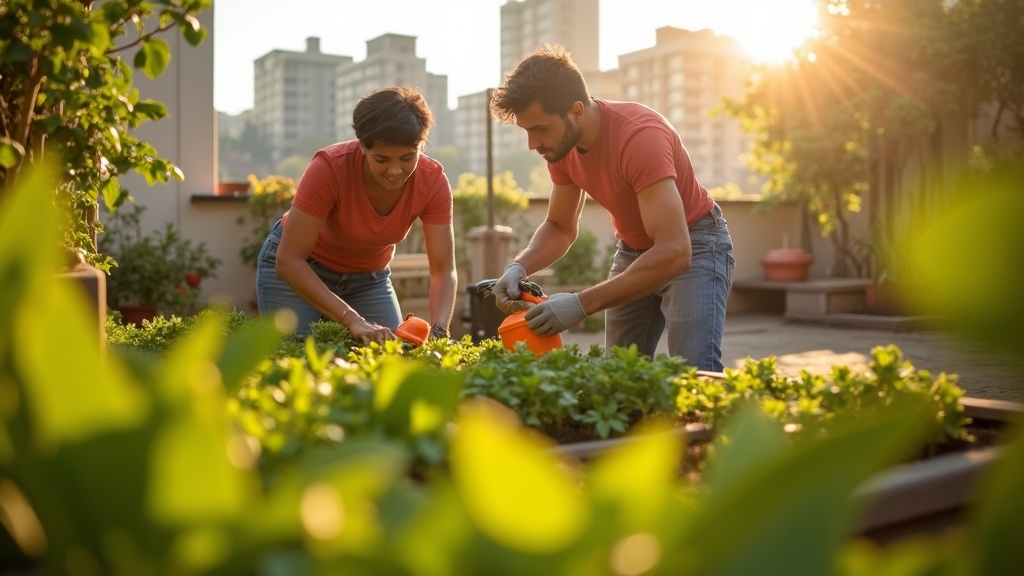
Growing vegetables and flowers on a shared rooftop sounds like a dream. Fresh tomatoes steps from your door, herbs you can snip for dinner, maybe some sunflowers swaying in the breeze. But here’s what nobody tells you at the first planning meeting: the hardest part isn’t dealing with aphids or watering schedules. It’s dealing with people.
Rooftop gardens in apartment buildings succeed or fail based on how well neighbors can share decisions, respect boundaries, and handle the inevitable disagreements. One person waters too much. Another never shows up for their turn. Someone plants mint that takes over everyone else’s space. These aren’t plant problems. They’re people problems.
The good news is that when a group figures out how to garden together, something magical happens. You end up with more than just vegetables. You get a community that actually knows each other’s names, shares extra zucchini, and helps out when someone goes on vacation. The rooftop becomes a genuinely pleasant place to spend time, not just a chore you avoid.
Making a shared rooftop garden work means thinking differently than you would about a private backyard. You’re not just planning what to plant and where. You’re also planning how people will make decisions together, divide up limited space fairly, and keep things running smoothly when enthusiasm fades. Get the people side right, and the plants tend to follow. Ignore it, and even the most beautiful garden can turn into a source of tension and abandoned plots.
Start with shared expectations before the first plant goes in
Before anyone buys seeds or hauls up soil bags, gather your neighbors for a quick, low-pressure conversation. This doesn’t need to be a formal meeting. A casual chat over coffee or a simple group text thread works perfectly. The goal is to make sure everyone’s on the same page about what this garden is actually for.
Talk about the basics first. Does everyone want to grow tomatoes and herbs for cooking? Are some people dreaming of a flower garden that attracts butterflies? Maybe someone just wants a peaceful spot to sit with a book. All of these are fine, but knowing what people hope for helps you plan the space in a way that makes everyone happy.
Spend a few minutes on the practical stuff too. If someone likes to water early in the morning when it’s quiet, mention it. If another person prefers evening garden time, that’s worth knowing. These tiny details prevent the awkward moment when someone feels like their routine is being disrupted.
Agree on simple guidelines that keep things running smoothly. Keep the main pathways clear so people can move around easily. If someone brings their own tools or a special watering can, they can label it with their name. Decide together how you’ll make group decisions, whether that’s a quick poll in the chat or a monthly check-in.
The key is keeping it friendly and simple. You’re not writing rules for a courthouse. You’re just helping neighbors understand what respecting the shared space actually looks like. When everyone knows what to expect from day one, the garden becomes a place people enjoy instead of a source of tension.
Divide space in a way that feels fair and usable
The biggest source of tension in any shared rooftop garden is usually the space itself. Someone always seems to get the sunny corner while someone else ends up in the perpetual shade. The trick is dividing things up before anyone plants a single seed.
Start by walking the rooftop together and noticing where the sun actually hits throughout the day. That prime sunny spot against the south wall is worth more than a shady corner by the stairwell. Wind matters too. Some areas get blasted while others stay calm. These differences affect what grows well and how much attention plants need.
You have options for dividing things up. Personal plots work well when people want control over their own space. You can mark boundaries with colored tape on the roof surface, arrange containers along invisible property lines, or use the edges of raised beds as natural borders. Some groups assign container “parking spots” instead, giving everyone a defined area where their pots live.
If some spots are clearly better than others, consider rotating them seasonally. The person with the best sun in spring might swap to a shadier spot in summer. It sounds complicated but it actually prevents resentment from building up over time.
Whatever system you choose, make it visible. A simple hand-drawn map posted near the door helps newcomers understand the layout. Physical markers like planter edges or tape lines prevent the slow territorial creep that happens when boundaries are fuzzy.
And here’s something people forget: leave space for humans, not just plants. You need room to walk, sit, and water without stepping on someone’s tomatoes. A garden where you can’t move comfortably isn’t worth having.
Make plant care predictable with a few simple rules
Nothing kills the joy of community gardening faster than confusion about who’s supposed to do what. When expectations stay fuzzy, someone ends up doing all the work while others feel guilty or accused. The fix is surprisingly simple: agree on a light-touch routine before resentment has a chance to build.
Start with watering. Decide who checks the garden on which days, and make it visible. A simple shared calendar or a whiteboard by the roof door works perfectly. If someone goes on vacation, they just swap days with another gardener or post a request in your group chat. The key is making the system easy enough that asking for help feels normal, not like admitting failure.
Next, talk about what happens at the end of each garden visit. Does “clean” mean you rinse the watering can and hang it back up? Should dead leaves go in a compost bin or a trash bag? When everyone defines tidy the same way, no one feels like they’re cleaning up after someone else.
Harvesting needs its own conversation. Decide early which crops are communal and which belong to whoever planted them. Maybe the tomatoes are shared, but someone’s prized herbs are off-limits unless they offer. A good rule of thumb: always ask before picking, or create a harvest log where people note what they took. And when there’s surplus, make sharing easy with a “free produce” box or a quick message to the group.
The goal isn’t to create bureaucracy. It’s to prevent the garden from becoming one person’s unpaid job. When care feels predictable rather than personal, everyone can relax and actually enjoy growing things together.
Choose setups that are easier to share than to argue about
Some garden setups just work better when multiple people are involved. Start with containers that can take a beating. Lightweight plastic pots tip over in wind and crack after a season or two. Heavier resin or wood containers stay put and last longer, which matters when different people are watering at different times and nobody wants to deal with a cracked pot leaking onto the floor.
Always use drip trays under your containers. They catch overflow and keep the rooftop from turning into a slippery mess. Your neighbors will thank you, especially the ones whose chairs are near your tomatoes.
Label everything clearly with your name and what you planted. It sounds basic, but unlabeled plants create confusion. Someone might pull your basil thinking it’s a weed, or water your drought-loving herbs to death because they assumed everything needed daily watering.
Choose plants that can handle a little neglect and a lot of sun and wind. Rooftops are harsh. Plants that need constant attention or perfect conditions will suffer when five different people have five different schedules. Herbs like rosemary and thyme, or sturdy vegetables like peppers and chard, tend to forgive irregular care.
Avoid anything that sprawls into shared walkways or has thorns near seating areas. Nobody wants to brush past a prickly rose on their way to their plot, and sprawling vines become a tripping hazard fast.
If your group wants to compost, put it in a corner with good airflow, not next to the seating area. A badly placed compost bin becomes the thing everyone complains about at every meeting. Set up one designated spot for shared tools and extra soil so people aren’t leaving shovels everywhere or hoarding supplies in their personal spaces.
Keep personal satisfaction without turning the roof into a competition
The tricky part about sharing a rooftop garden is wanting your own gardening wins without accidentally turning it into a contest. You want to try that weird heirloom tomato. Your neighbor wants neat rows of marigolds. Someone else is growing enough basil to supply a small restaurant. All of this can coexist without anyone feeling like they’re losing.
One simple approach is the mix-and-match method. Keep one personal container just for you, where you can experiment with whatever strikes your fancy. No consensus needed. Then contribute to one shared bed where you plant the easy crowd-pleasers that everyone enjoys, like cherry tomatoes or lettuce. This way you get both the solo satisfaction and the group effort.
Different gardening styles will show up naturally. Some people love tidy, labeled rows. Others prefer a happy chaos of flowers spilling everywhere. One person is all about food production while another just wants things that smell nice. None of these approaches is better than the others, they’re just different.
The key is creating loose boundaries and agreed-upon zones early on. Maybe the south corner is for wildflower experiments and the north side is for vegetables. Maybe one planter box stays neat and another can get messy. When everyone knows which spaces have which vibe, there’s less friction.
Small rituals help too. Try a basket near the door where people leave extra herbs or vegetables for anyone to take. Or designate certain days as harvest-and-share days. These tiny traditions build connection without requiring anyone to give up their personal gardening vision. You’re not competing for the best garden. You’re just making space for everyone’s version of a good time.
Deal with recurring problems early and kindly
Some problems show up in almost every shared rooftop garden. Someone forgets to water. Plants die. Tools go missing. Wind knocks over pots and scatters lightweight items everywhere. When you know what’s coming, you can set up simple fixes before anyone gets frustrated.
Start with a watering buddy system. Pair people up so they cover for each other during vacations or busy weeks. It sounds basic, but this one step prevents most plant deaths and the awkward conversations that follow.
Create a small corner for struggling plants. Label it something friendly like the recovery zone or plant hospital. When someone’s tomato looks sad or their herbs are turning brown, they can move it there without embarrassment. Other gardeners can help nurse it back or quietly compost it if needed. No guilt, no blame.
Talk about replacement expectations early. If someone’s plot stays neglected for weeks, what happens? Decide together whether another person can replant it, how long to wait, and how to let the original gardener know. Write it down so nobody has to guess.
On windy days, secure everything lightweight. Small pots, seed packets, garden gloves, and tools can all blow away or damage other plots. Keep bungee cords and weights handy. Make it a group habit to do a quick check when the forecast looks rough.
When something does go wrong, reset the agreement without pointing fingers. Say what you noticed, ask what would help, and adjust the system. Most people want to do their part. They just need a reminder or a slightly different approach that actually fits their schedule.