If you live in a city apartment, you’ve probably noticed how quickly dust settles on everything. Your houseplants are no exception. Those beautiful green leaves that brighten up your space can turn into dust magnets within days, especially if you’re near a busy street or dealing with construction nearby.
Dusty leaves aren’t just an aesthetic problem. When a thick layer of dust covers a plant’s leaves, it actually blocks light from reaching the surface. Since plants need light to make their food, dusty leaves mean your plant is working harder just to stay healthy. It’s like trying to see through a dirty window.
The dust also clogs up the tiny pores on leaves where plants breathe and release moisture. This can slow down growth and make your plants more vulnerable to pests and diseases. Plus, let’s be honest, dusty plants make your whole apartment feel a bit neglected, even if you’ve just cleaned everything else.
The good news is that cleaning houseplant leaves doesn’t have to be a big production. You don’t need special products or a lot of time. With a few simple techniques that fit into your regular routine, you can keep your plants looking fresh and thriving without making a mess or spending your whole weekend on plant care. The trick is finding methods that work for your space and schedule, which is exactly what we’ll explore.
Know when your plant actually needs leaf cleaning
You don’t need to put cleaning houseplant leaves on your weekly chore list. Most plants can go a while between cleanings, and checking them visually will tell you everything you need to know.
The easiest sign is just looking at the leaves. If they’ve lost their natural shine and look dull or matte, dust has probably settled in. You might also see a visible film or layer when light hits the leaves at an angle. Another dead giveaway is when you touch a leaf and your fingerprint stays behind in the dust.
Here’s a simple test you can do right now. Gently run your finger across a leaf surface. If you see dust transfer to your skin or leave a clean streak behind, it’s time for a wipe-down. If the leaf still looks the same after you touch it, you’re probably fine to wait.
You might also notice that leaves seem to stay wet longer after watering, or that water beads up oddly on the surface. That’s dust interfering with how moisture evaporates. And if you’re seeing dust accumulating quickly on shelves or windowsills near your plants, chances are good the leaves are collecting it too.
City apartments tend to need more frequent attention than houses in quieter areas. All that traffic, construction, and general urban activity means more particles floating around indoors. You might find yourself doing a quick wipe every couple of weeks instead of once a month. But let the plant tell you what it needs rather than sticking to a rigid schedule.
Use dry, mess-free methods for light dust
If your plants just have a thin layer of dust and you’re keeping up with things regularly, dry cleaning is your friend. It’s quick, doesn’t require hauling anything to the sink, and you won’t end up with water dripping on your floor.
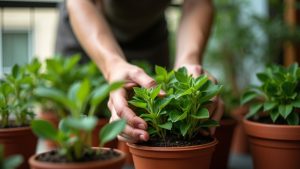
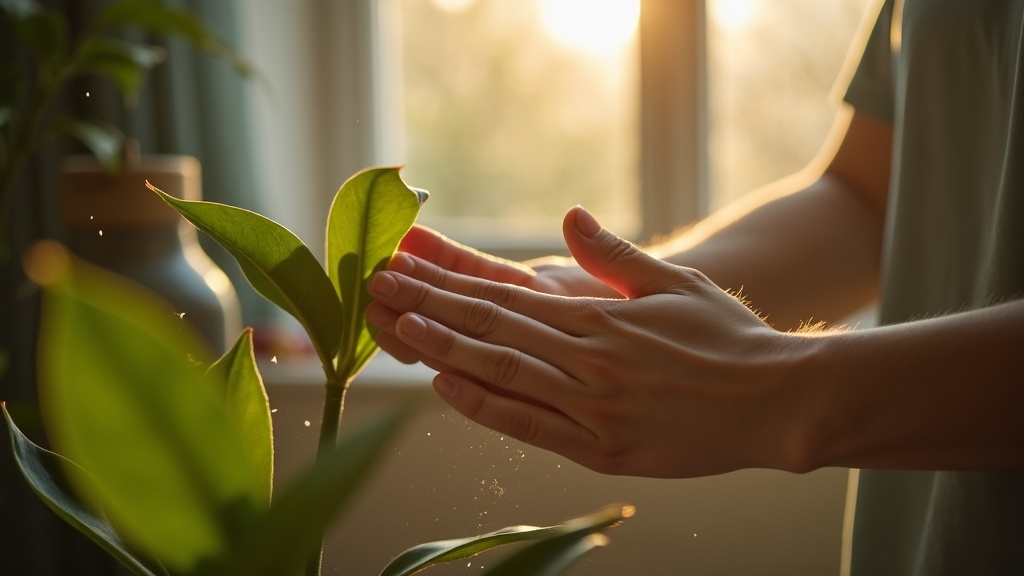
A microfiber cloth works beautifully for smooth, sturdy leaves like those on rubber plants or monstera. Just fold it into a soft pad and gently wipe each leaf from base to tip. The key word here is gently. Hold the leaf with your other hand while you clean it so you’re not putting pressure on the stem. Snapped stems are no fun, and they happen more easily than you’d think.
For fuzzy or textured leaves, like African violets or begonias, skip the cloth entirely. A soft makeup brush or clean paintbrush does the job without crushing those delicate hairs. Use light strokes and let the bristles do the work.
If you’ve got plants with lots of little leaves or tight spaces between stems, try a small air puff. These are the same rubber bulbs photographers use to clean camera lenses, and they’re perfect for blowing dust out of crevices without touching anything. You can find them at camera shops or online for just a few dollars.
Dry dusting works best when dust hasn’t had time to stick or build up into a grimy layer. If you give your plants a quick once-over every week or two, you’ll stay ahead of the problem without needing water or any messy cleanup. Just avoid anything scratchy like paper towels or rough rags, and don’t use feather dusters that just send the dust flying around your apartment instead of actually removing it.
Wipe leaves with a barely damp cloth for stuck-on grime
Sometimes city dust doesn’t just sit on leaves. It sticks. When you run your finger across a leaf and feel a greasy film or see smudges that won’t brush off, it’s time for a damp wipe.
Fill a small bowl with lukewarm water and grab a microfiber cloth. These cloths work better than paper towels because they’re soft and won’t scratch delicate leaves. Dip the cloth in the water, then wring it out really well. You want it barely damp, not dripping. Too much water can leave spots or drip down into the soil.
Gently wipe the top of each leaf, supporting it from underneath with your other hand so you don’t snap it off. If you can reach the underside without bending the plant into weird positions, give that a quick wipe too. That’s where dust likes to hide. As the cloth gets dirty, rotate it to a clean section or rinse it out and wring it again.
If leaves feel sticky from cooking grease or humidity gunk, add just one drop of mild dish soap to your water. Really, one drop is enough. After wiping with the soapy cloth, go over the leaves again with a plain water cloth to rinse off any residue. Soap left behind can actually attract more dust.
The mess factor matters in an apartment. Do this over the kitchen sink for smaller plants, or set larger ones on an old towel or tray to catch drips. A little planning saves you from mopping the floor afterward, which kind of defeats the purpose of a quick clean.
Rinse plants in the shower when dust builds up quickly
When dust starts forming a visible film on your plants, it’s time for something more than a quick wipe. A gentle shower can clean multiple plants at once and reach all those tricky spots between leaves. This works especially well for plants with large, smooth leaves or if you have several dusty plants that need attention at the same time.
The key is keeping everything gentle. Use lukewarm water, never hot or cold, and keep the pressure low. Think of it as a light rain, not a power wash. Before you start, protect the soil by covering the pot with a plastic bag or just holding your hand over it. This keeps you from overwatering or washing away the soil.
After the rinse, let your plants drain completely in the tub or shower. Don’t rush them back to their spots while they’re still dripping. Once the excess water has run off, keep them away from cold drafts or air conditioning vents while they dry. A sudden temperature change right after a shower can stress them out.
If your bathroom is tiny, you can still make this work. A handheld shower head gives you more control in a tight space. Or skip the overhead shower entirely and do a spray bottle rinse over the tub instead. It takes a bit longer, but you get the same cleaning effect without needing much room to maneuver.
Not every plant loves getting drenched, so pay attention to how yours respond. Plants with fuzzy or delicate leaves might not appreciate the shower treatment. When in doubt, test it on one plant first before giving the whole collection a rinse.
Cut down dust so you have to clean leaves less often
The best way to keep houseplant leaves clean is to stop dust from landing on them in the first place. City apartments collect dust faster than other homes, but a few simple tweaks can make a noticeable difference.
Start by looking at where your plants sit. If you have a plant right next to a window you open often, or near your front door, it’s catching dust with every breeze or door slam. Moving it just a few feet away can cut down how often you need to wipe leaves. Even a small shift makes a difference because dust settles heaviest in the spots where air moves most.
Keep the surfaces around your plants clean too. Dust on windowsills and shelves gets kicked back up into the air and lands right back on your leaves. A quick wipe of nearby surfaces once a week means less dust floating around your plants.
Check if any of your plants sit directly under air vents or heating registers. The constant air flow stirs up dust and blows it straight onto the leaves. If you can move them a bit to the side, they’ll stay cleaner longer.
A good doormat and a habit of taking shoes off at the door helps more than you might think. Street dust tracked in on shoes gets everywhere, including on your plants. If you already own a small air purifier, putting it near your plant corner can help trap floating dust before it settles. But don’t feel like you need to buy one just for this. The other changes work well on their own.