Growing vegetables indoors without a south-facing window can feel like a losing battle. Your tomato seedlings stretch toward whatever light they can find. Your lettuce looks pale and weak. You start wondering if indoor gardening just isn’t meant for your apartment.
Here’s the good news: low light is a problem you can actually fix. You don’t need to knock down walls or move to a new place. Small, practical changes in how you position your plants and use light can make a real difference in what you’re able to grow.
Most indoor gardeners assume they need bright, direct sunlight for hours every day to grow anything edible. That’s true for some plants, but there’s more flexibility than you might think. Understanding how to maximize indoor plant light means knowing where to place your plants, which varieties tolerate less sun, and when adding a simple grow light makes sense.
Even apartments with only north or east-facing windows can support vegetable growing indoors. The trick is working smarter with what you have. A plant placed near a window pulls in more light than one sitting across the room. Reflective surfaces can bounce existing apartment sunshine back onto your greens. And affordable grow lights can fill in the gaps when natural light isn’t enough.
You don’t need perfect conditions to grow food at home. You just need to understand how light works and make a few strategic tweaks. The results might surprise you.
Start by checking if light is really the limiting factor
Before you invest in grow lights or rearrange your entire apartment, take a moment to make sure light is actually the problem. Plants can look sad for all sorts of reasons, and it’s easy to blame the windows when something else is going on.
Low light has some telltale signs. Your plants might stretch out tall and skinny, with lots of space between leaves. This is called leggy growth, and it happens because the plant is reaching desperately toward whatever light it can find. You might also notice your basil or lettuce leaning hard toward the window, or leaves that look pale and washed out instead of deep green. Growth slows to a crawl, and if you’re trying to grow tomatoes or peppers, you’ll get tiny harvests or no fruit at all.
But here’s the thing. Overwatered plants can also look pale and grow slowly. Cold drafts from a nearby window can stunt growth just as badly as dim light. And if your soil is exhausted or you haven’t fed your plants in months, they’ll struggle no matter how sunny your windowsill is.
A quick reality check helps. If your plant is stretching toward the light like it’s trying to escape, that’s a pretty clear sign. If the leaves are droopy and the soil is soggy, you’ve probably been too generous with the watering can. Feel the air around your plants on a chilly morning. If it’s noticeably cold, that draft might be the real culprit.
Once you’re confident that light is the issue, you can move forward with solutions that actually make a difference.
Use your home’s brightest spots more deliberately
You probably already have a sense of which windows get the most sun, but it’s worth spending a few days really paying attention. Check each window at different times throughout the day. Morning light might flood your kitchen while your living room stays dim until afternoon. Notice where you see actual sunbeams hitting the floor or wall, not just general brightness.
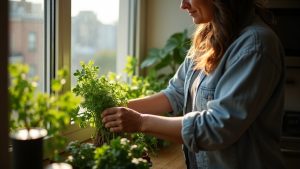
Once you know which spots get direct sun and for how long, you can be more strategic. Plants that produce fruit or vegetables like tomatoes, peppers, and beans need the most light, so give them first dibs on your sunniest real estate. Leafy greens like lettuce, spinach, and herbs can handle spots that only get a few hours of direct sun or just bright indirect light.
Getting plants physically closer to the window glass makes a huge difference. Even a foot away, the light intensity drops noticeably. Use tall plant stands, stack sturdy boxes, or install narrow shelving right in the window frame if you can. Just don’t let leaves actually touch cold glass in winter or hot glass in summer.
Rotating your pots every few days helps plants grow more evenly instead of leaning hard toward the light. It also gives you a chance to check on them and swap out any that aren’t thriving in a particular spot.
Watch out for temperature extremes near windows. A sunny winter window can still radiate cold at night, and summer sun through glass can scorch leaves. If you notice browning tips or wilting despite regular watering, temperature stress might be the culprit. A sheer curtain or moving plants back a few inches during the hottest or coldest parts of the day usually solves it.
Bounce more light onto plants with simple reflective surfaces
Light from a window hits the front of your plants beautifully, but the back sides often sit in shadow. That means half your plant is getting far less energy than it needs to grow strong and produce food. The fix is surprisingly simple: add a reflective surface to bounce that incoming light back toward the shaded side.
Think of it like holding a mirror near a candle. The light hits the mirror and redirects back into the room. You’re not creating new light, just making better use of what’s already there. Indoors, this trick can nearly double the amount of light reaching your plants without spending a dime on electricity.
The easiest option is plain white poster board from any craft store. Place it behind your plants or on the side opposite the window. White surfaces reflect a surprising amount of light without creating harsh glare. You can prop the board against a wall or tape it to a cardboard box for stability.
If you want something more heavy-duty, paint a piece of plywood with flat white paint and lean it behind your setup. Some growers also use emergency blankets, the crinkly silver kind from camping stores. These work well but can get too hot if placed near grow lights, so keep them a safe distance away and check regularly that nothing feels warm to the touch.
Avoid anything glossy or mirror-like. These create focused hot spots that can burn leaves or cause uncomfortable glare. Matte white is your friend here. Position your reflectors so they catch incoming light and gently redirect it back toward the plant, filling in those shadowy gaps without any fuss.
Add affordable grow lights when window light can’t carry the load
Regular light bulbs and grow lights might look similar, but they do different jobs. A standard bulb is designed for human eyes. It makes a room feel bright without necessarily giving plants the specific light wavelengths they need to grow. A grow light, on the other hand, delivers more of the red and blue light that plants use for photosynthesis. Think of it as the difference between lighting a room for reading versus feeding a plant its daily energy.
When you’re shopping, three things matter most. First is brightness. Plants need strong light to grow well, so look for something labeled full-spectrum or designed for vegetables, not just decorative plants. Second is coverage area. A small clip-on light works for one or two pots, but if you’re growing a windowsill garden, you’ll want a longer bar or panel that spreads light across multiple plants. Third is distance. Most grow lights need to sit fairly close to your plants, often just a few inches above the leaves, so pick something adjustable or easy to reposition as your vegetables grow taller.
You’ll find three common styles. Clip-on gooseneck lights are flexible and cheap, perfect for a single basil plant or a small herb pot. Under-shelf bars mount horizontally and work well for a row of seedlings or microgreens. Small panels hang or sit above a tray and give you more coverage for leafy greens like lettuce or spinach.
Set your expectations early. Leafy greens like kale, lettuce, and herbs can thrive under modest lighting, especially if you run the lights for twelve to sixteen hours a day. Fruiting vegetables like tomatoes and peppers are hungrier. They usually need stronger lights positioned closer, or much longer light periods, to produce anything beyond leaves.
Get the distance and daily timing right so light actually helps
Light loses its punch fast as it travels. Move a grow light just a few inches farther away and your plants might receive half the usable energy. This is why tomatoes and peppers placed too far from a bulb end up tall and spindly, stretching desperately toward a source that feels dim to them.
Start with your lights about six to twelve inches above your plants. If you’re using LED panels, you can go closer without worrying about heat. Fluorescent tubes work well around six to eight inches away. Old-style incandescent bulbs run hot, so keep those farther back or skip them entirely.
Watch how your plants respond over the first week. If leaves start curling under or bleaching to pale yellow, the light is too close or too intense. Pull it back a few inches. If stems stretch thin and the space between leaves grows long, move the light closer. Your plants will tell you what they need.
Timing matters as much as distance. Vegetables need consistency, so pick a schedule and stick with it every day. A basic outlet timer costs a few dollars and removes all the guesswork. You won’t forget to turn lights on during a busy morning or leave them blazing all night.
Most fruiting vegetables like tomatoes and peppers do well with twelve to sixteen hours of light daily. Leafy greens such as lettuce and spinach can thrive on ten to fourteen. In a low-light home, lean toward the longer end of these ranges to make up for weaker natural sunlight. Just give your plants some darkness each night. They use that time to rest and process the day’s energy.
Grow vegetables that fit your light situation
Not all vegetables need the same amount of light. Some are hungry for sunshine and will sulk without it. Others are surprisingly flexible and will grow just fine in a spot that gets modest light for part of the day.
Leafy greens are your best friends in a low-light home. Lettuce, spinach, arugula, and kale will all produce leaves even when they’re not bathing in direct sun all day. They won’t grow as fast as they would outside in summer, but they’ll keep going. Most herbs also fall into the easier category. Basil, parsley, cilantro, and chives can handle less-than-ideal conditions, though basil does appreciate a little extra brightness if you can give it.
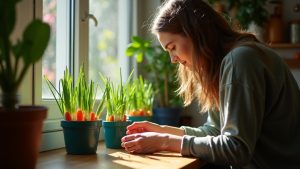
Green onions and scallions are practically indestructible. You can regrow them from kitchen scraps in a jar on a countertop that barely sees daylight. They’re a great confidence booster when you’re just getting started.
Fruiting plants like tomatoes, peppers, and cucumbers are a different story. They need serious light to set fruit, and they won’t be shy about letting you know if they’re unhappy. Leggy stems, pale leaves, and zero flowers are all signs they’re starving for more brightness.
Think of your available light like a budget. Put your high-demand plants directly under a grow light if you have one, and save your windowsill real estate for greens and herbs. You can absolutely grow tomatoes indoors, but expect smaller harvests and slower progress unless you’re willing to invest in dedicated lighting. Matching your crops to your conditions means less disappointment and more actual food on your plate.
Shape and position plants so more leaves catch the light
Plants are surprisingly bad at sharing light with themselves. The top leaves often hog all the brightness, leaving the lower ones in shadow. When you’re already working with limited apartment sunshine, every leaf needs to earn its keep.
The easiest fix costs nothing: turn your pots a quarter rotation every few days. Plants naturally lean toward light, which means one side gets crowded while the other stays sparse. Regular turning keeps growth even and prevents half your plant from sitting in its own shadow.
Spacing matters more indoors than outdoors. In a garden, sunlight comes from overhead all day. Near a window, light streams in at an angle. If you crowd plants together, they block each other. Leave a few inches between pots so each plant gets a clear view of the window.
Think vertically when floor space is tight. Small vining vegetables like cherry tomatoes or peas can climb a simple trellis or bamboo stake, lifting leaves up into brighter zones near the window. You’re not building anything fancy—just giving the plant a path toward better light.
Container height makes a bigger difference than you’d expect. A plant sitting on the floor might be two feet below the brightest light streaming through your window. Upside-down crates, sturdy boxes, or basic plant stands can lift containers into that sweet spot. Just make sure whatever you use is stable and won’t tip.
Finally, don’t be afraid to remove a few leaves if your plant is crowding itself. When leafy greens or herbs get dense, inner leaves sit in darkness doing nothing. Snipping off the lowest or most shaded leaves lets light reach the productive parts. You’re not pruning like a professional—just clearing traffic jams.
Plan for seasonal light changes in an apartment
Indoor light isn’t constant. The amount of sunlight reaching your windowsill drops dramatically in winter, even if you haven’t moved a single plant. Days are shorter, the sun sits lower in the sky, and cloudy stretches can last for weeks. Your plants will notice before you do.
When light drops, growth slows down. Tomatoes and peppers that thrived in summer might just sit there in December, barely putting out new leaves. This isn’t failure. It’s physics. Less light means less energy for the plant to work with.
The simplest winter strategy is switching what you grow. Focus on leafy greens like lettuce, spinach, and Asian greens during darker months. They need less light than fruiting plants and they mature faster, so you’re not waiting forever for a harvest that might not come.
If you want to keep growing the same plants year-round, you’ll need to adjust. Run your grow lights longer in winter, adding an extra two or three hours to make up for weak daylight. Move plants closer to windows when possible, especially if the winter sun angle changes which parts of your home get the best light.
Pay attention to temperature swings near windows, too. That sunny spot might get cold drafts in January or turn into an oven on bright winter afternoons when the low sun pours in. A plant that’s too cold or too hot won’t grow well no matter how much light it gets.
Starting seedlings becomes trickier in low-light months. If you’re planting seeds in November or December, do it under a grow light from day one. Seedlings stretched thin and pale from weak winter sun rarely recover to become strong plants.