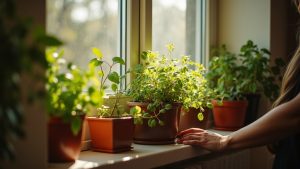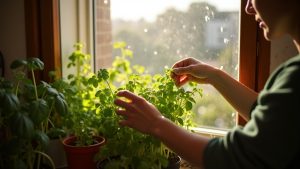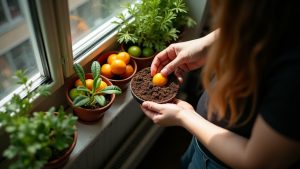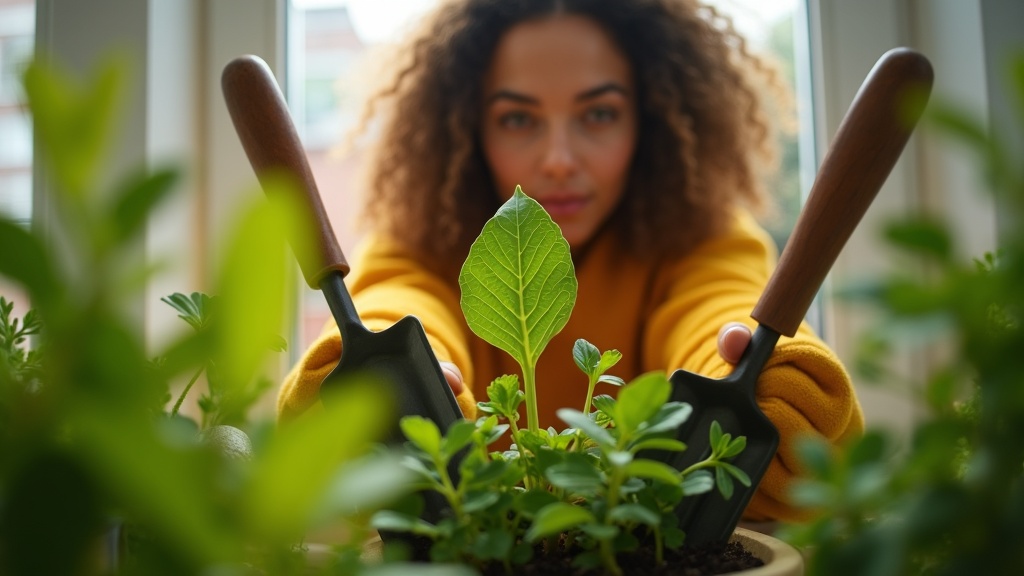
You don’t need a shed full of equipment to start growing plants in your apartment. In fact, most beginners who rush out and buy a dozen different tools end up using the same three things over and over again.
The gardening industry wants you to believe that every task requires its own specialized gadget. But apartment gardening is different from managing a big backyard. You’re working with containers, not garden beds. You’re dealing with limited space, not acres of soil. That changes everything about what you actually need.
Three simple tools can handle nearly every job you’ll face as a beginner. We’re talking about the basics that let you plant seeds, move soil around, and keep your plants healthy. Nothing fancy. Nothing expensive. Just the essential tools apartment gardening actually requires when you’re getting started.
This isn’t about being extreme or proving you can garden with nothing. It’s about starting smart. You can always add more tools later if a specific plant or project needs something special. But right now, you just want to get growing without cluttering your closet or emptying your wallet.
The three tools we’re focusing on work together to cover all the fundamental tasks. You’ll be able to fill pots, transplant seedlings, water effectively, and maintain your plants as they grow. That’s enough to successfully grow herbs, vegetables, flowers, and just about anything else that works in containers.
Why most apartment gardeners buy too many tools
When you first start apartment gardening, it’s easy to walk into a garden center and leave with a cart full of specialized tools. There’s a different scoop for every pot size, ergonomic cultivators, soil knives, and fancy transplanting spades. The problem is that most of these tools do nearly the same thing.
In a small-space garden, you’re really only doing a handful of tasks over and over. You fill containers with soil. You loosen the top layer when it gets compacted. You move seedlings from one pot to another. And you sweep up the inevitable dirt that spills onto your balcony or windowsill.
That’s it. Those four activities make up about ninety percent of what apartment gardening looks like in the first few months. You don’t need a different tool for each variation of scooping or digging.
The other issue is space. In a yard, you can hang tools in a shed or garage. In an apartment, every tool you own has to fit in a closet, under the sink, or on a narrow balcony shelf. That mini rake you bought once will sit there for months, taking up room and getting in the way.
Cleaning matters more than you’d think, too. If a tool has lots of crevices or moving parts, you’ll avoid rinsing it off. Then it stays dirty, and you avoid using it altogether.
The simple rule that works best is this: choose tools that handle multiple jobs and are easy to rinse and store. If a single tool can scoop, level, and loosen soil, you don’t need three others. Fewer tools means less clutter, faster cleanup, and more actual gardening.
Tool 1: a sturdy scoop for soil and potting mix
The biggest mess in apartment gardening happens when you’re trying to fill a pot with soil. Without a decent scoop, you end up spilling potting mix across your counter, down the side of the container, and somehow into the crack between your stove and cabinet. A sturdy scoop solves this instantly.
You’ll use this tool constantly. It transfers potting mix from the bag into your containers without turning your kitchen into a dirt zone. It helps you top off pots when the soil settles after watering. If you need to mix a little compost or perlite into your soil, you can do it in a mixing bowl with the scoop instead of using your hands or a spoon that bends under the weight.
Look for something with a comfortable grip that won’t dig into your palm when the scoop is full. It should rinse clean easily, because wet soil likes to stick. Make sure it’s not flimsy. Those little plastic scoops that come free with cat litter often crack after a few uses. You want something that can dip into a tight bag opening without the sides collapsing.
Can you use a measuring cup or an old plastic container instead? Absolutely, and plenty of people do. A yogurt container works fine if you’re potting one or two plants. But if you’re setting up several pots at once, or refilling them through the season, something designed to scoop makes the job much less annoying. The difference isn’t dramatic until you’ve done it a dozen times, and then you notice.
Tool 2: a compact hand trowel for planting and repotting
A hand trowel is basically a small metal scoop with a handle. It’s the tool that does all the digging work your fingers can’t quite handle. When you need to move a plant from one pot to another, dig a proper hole in fresh soil, or loosen up roots that have gotten tangled and tight, this is what you reach for.
The beauty of a hand trowel for apartment gardening is its size. It fits in a drawer, tucks behind a shelf, or hangs on a tiny hook. You can use it in narrow containers where a full-sized garden spade would be ridiculous. It gives you control in small spaces without bashing into other pots or knocking things over on your balcony.
When you’re transplanting seedlings that have outgrown their starter cups, the trowel helps you scoop them out without shredding their delicate roots. If you’ve got a plant that’s become rootbound, meaning the roots are circling around themselves in a dense mass, you can use the trowel’s edge to gently tease them apart. It also makes quick work of removing old, compacted soil that’s lost its fluffiness and stopped draining well.
Choose a trowel that’s about six to eight inches long total. That size works perfectly with standard apartment pots and balcony planters. Look for one with a comfortable grip, because you’ll be holding it at odd angles when working in tight spots. A slightly curved blade helps you scoop soil more easily than a flat one. Stainless steel resists rust better than plain metal, which matters if you’re storing it somewhere that might get damp.
Tool 3: simple snips for clean trims and harvests
Your fingers seem like the obvious tool for pinching off a few basil leaves or removing a wilted flower. But even gentle tearing can damage the stems more than you’d think. A pair of basic garden snips gives you something better: a clean cut that closes up faster and looks tidier.
When you tear a stem by hand, you’re crushing the plant tissue. That ragged edge takes longer to heal and can turn brown or invite problems. A sharp cut from snips slices through cleanly, like using a good knife instead of ripping paper. The plant recovers faster, and your garden looks more intentional instead of picked over.
You’ll use snips constantly once you have them. Harvesting herbs becomes quick and precise. Deadheading spent flowers keeps your plants blooming longer. Snipping off yellow or damaged leaves prevents them from draining energy. Even trimming back a leggy stem to encourage bushier growth takes just seconds.
The everyday care is simple. Wipe the blades after cutting anything with sticky sap or milky residue so they don’t gum up. Keep them dry between uses to prevent rust. Store them somewhere safe if you have curious kids or pets around, since the spring-loaded mechanism can pinch fingers.
You don’t need expensive pruners or multiple sizes. A basic pair of bypass snips handles everything in a small apartment garden. They’re light, fit in a drawer, and cost about the same as a decent houseplant. Once you start using them, you’ll wonder how you managed without something so simple.
How to cover most apartment garden tasks with these three tools
Picture this: you’re setting up your first pot. You’ll use the scoop to fill it with soil, then switch to the trowel to create a little well for your plant. The scoop moves bulk soil quickly. The trowel does the detail work. Between them, you’ve got planting covered.
A few weeks later, your basil has outgrown its container. Time to move it up a size. The trowel loosens the root ball and helps ease the plant out. The scoop fills the new pot partway, you position the plant, then top up around the edges. Same two tools, different job.
Every week or so, you’ll want to tidy things up. Maybe snip off dead leaves, harvest some herbs for dinner, or trim back something that’s getting leggy. That’s where your pruning snips earn their keep. They make clean cuts without crushing stems, and they’re small enough to reach into tight spots between pots.
When the soil level drops after watering settles it down, grab the scoop and add a little fresh mix to the top. Quick, clean, done.
Here’s a space-saving tip: do your messy work in the kitchen sink or over a large tray. Soil stays contained, cleanup takes seconds, and you’re not sweeping the floor every time you pot something. When you’re finished, these three tools can hang together on a single hook or tuck into a drawer. The trowel and scoop often nest inside each other if you pick compatible sizes.
You’re not missing out by keeping it simple. You’re just skipping the clutter.