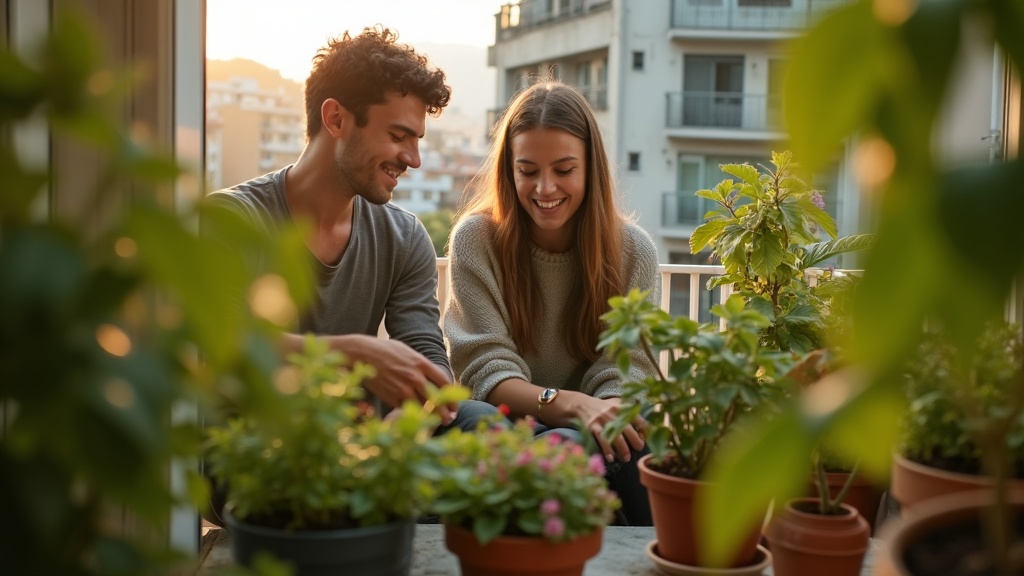
If you’ve ever felt exposed on your apartment balcony, you’re not alone. Maybe your neighbors can see directly into your space. Maybe you’re right next to a busy street or overlooking a parking lot. Either way, it’s hard to relax when you feel like you’re on display.
The good news is that you don’t need to build anything permanent or break your lease to fix this. Balcony privacy plants can create a living screen that blocks views, softens noise, and makes your outdoor space feel like an actual retreat. And because everything stays in containers, you’re not modifying the building itself.
Many renters assume privacy solutions mean heavy construction or landlord approval they’ll never get. But plants are different. They’re temporary, movable, and almost always allowed under standard rental agreements. You can take them with you when you move, and you won’t lose your security deposit over drill holes or structural changes.
The trick is choosing plants that grow quickly enough to matter, stay healthy in pots, and don’t turn into a maintenance nightmare. Some varieties shoot up fast and fill in densely. Others stay compact and manageable even in small spaces. With the right picks, you can have a green privacy screen in one growing season without turning your balcony into a jungle or spending every weekend pruning.
This isn’t about becoming a gardening expert. It’s about finding a few reliable plants that actually solve the problem and fit into your life as a renter.
Start with what your building and balcony can handle
Before you buy a single plant, take twenty minutes to figure out what you’re actually allowed to do. Your lease or homeowners association rules might have specific restrictions on balcony changes. Some buildings say no drilling into walls or railings. Others have rules about what can hang over the edge or how much stuff you can store outside.
Weight matters more than most renters realize. Balconies have load limits, and wet soil is surprisingly heavy. A few large containers filled with soil and plants can add up fast, especially after a rainstorm. If you’re planning a serious privacy screen, stick with lightweight containers and avoid clustering everything in one spot.
Wind is your invisible enemy. A balcony several stories up can get hit with gusts that knock over tall planters or send lightweight pots flying. Freestanding trellises need to be anchored properly without drilling, which usually means heavy bases or containers designed to hold them steady. Think through what happens during a storm before you set everything up.
Water runoff is another common flashpoint with neighbors and building management. Dripping water onto balconies below or staining exterior walls can get you in trouble quickly. Use drip trays under every container, and make sure they’re large enough to actually catch overflow.
Keep your privacy setup entirely on your side of the railing. Plants that grow through or hang over into shared space can create conflict with neighbors and might violate building rules. The goal is a tidy, self-contained screen that gives you coverage without causing problems.
Finally, never block your exit route. Balconies often serve as emergency egress points, and fire codes matter even when nobody’s checking. Leave a clear path to the door and avoid creating obstacles that could trap you in an emergency.
Decide whether you need height, density, or both
Before you pick any plants, figure out exactly what you’re trying to block. Are neighbors looking down from an upper balcony? That’s a height problem. Can people at eye level see right through your railing? That’s a density problem. Sometimes you need both.
If you’re blocking views from above or trying to create overhead coverage, you want plants that grow tall and upright. Think bamboo-like canes or vines climbing a trellis. These add vertical coverage without taking up much floor space, which matters when your balcony is only a few feet deep.
If your main issue is people walking by at street level or neighbors on the same floor, you need thickness. Bushy plants with lots of overlapping leaves do this best. They don’t have to be tall, but they should fill in densely from the base up. A row of these along your railing creates a solid green wall at eye level.
Side screening is trickier because most balconies are narrow. You’re trying to block a specific sightline without crowding your space. This is where a single tall planter with a bushy climber or a compact upright plant works well. You’re aiming for targeted coverage, not a full perimeter.
One more thing about speed. When growers say a plant is fast-growing, they usually mean in the ground with lots of root space. In a container on a balcony, everything slows down a bit. That’s normal. If you want faster results, start with three or four smaller plants instead of one large one. They’ll knit together quicker than a single specimen will fill out, and you’ll have coverage sooner.
Choose fast-growing balcony plants that behave well in pots
The right balcony privacy plants can fill in a screen surprisingly fast without turning into a monster you can’t control. The trick is picking varieties that shoot up quickly but stay civilized in containers. You want plants that grow dense enough to block views, but won’t crack your pots or send roots through the balcony floor.
Clumping bamboo is one of the best choices for renters who need height fast. Unlike running bamboo, which spreads aggressively and can destroy structures, clumping varieties stay put in their pots. Look for labels that specifically say “clumping” and mention container growing. Fargesia species work well in partial shade and can reach five or six feet in a large pot within a couple of years.
Tall ornamental grasses give you privacy without the bamboo reputation. Varieties like fountain grass or switchgrass grow quickly, create a soft screen, and tolerate pruning if they get too wild. They work beautifully in sunny spots and won’t damage anything when it’s time to move.
For evergreen coverage that lasts through winter, compact boxwood or privet shrubs adapt well to container life. They grow steadily rather than explosively, but you can trim them to any shape and they stay dense all year. These prefer sun to part shade and give you that classic hedge look in a manageable package.
If you need instant coverage while slower plants fill in, annual vines like morning glory or black-eyed Susan vine can cover a trellis in weeks. They die back at season’s end, so there’s nothing permanent to worry about. Just plant them each spring for quick seasonal screening that disappears when you want it gone.
Use a vertical privacy garden for maximum screen in minimum space
When your balcony is barely wide enough for two chairs, going vertical is your best friend. Instead of lining up pots along the floor and losing precious space, you can stack your privacy upward using freestanding structures that don’t require a single screw or drill bit.
The simplest approach is a trellis panel anchored in a large, heavy planter. These come as ready-made units at most garden centers. The weight of the soil keeps everything stable, and you can move the whole setup if you need to rearrange or leave at the end of your lease. Look for panels that are four to six feet tall and made from lightweight wood or metal.
Plant stands and tiered shelving also work beautifully. You can fill each level with trailing plants like ivy, pothos, or creeping Jenny, then gently train them upward using soft garden ties or even twine. The key is guiding the stems where you want them without cutting into the plant or forcing awkward angles.
For climbers, choose non-woody vines that stay manageable in containers. Morning glories, sweet peas, and black-eyed Susan vines grow quickly and fill in gaps fast. They cling naturally to trellises and don’t develop thick, heavy stems that could topple your setup.
Wind is the biggest threat to vertical gardens on balconies. Make sure your base planters are wide and filled with damp soil, which adds stabilizing weight. Avoid top-heavy arrangements, and position heavier pots toward the back of the balcony, away from the railing edge. Keep your setup tidy and compact so it doesn’t block walkways or create a hazard. A vertical garden should feel like a living wall, not an obstacle course.
Get privacy faster by layering plants and spacing pots well
You don’t need to wait months for your balcony privacy plants to fill in completely. Smart placement can give you usable screening right away, even with younger plants.
Start by thinking about where people actually look. Stand where your neighbors or passersby would stand and note the direct sightlines into your balcony. Put your tallest plants in those exact spots first. This blocks the most important views immediately, even if the rest of your screen isn’t dense yet.
Instead of lining up pots in a single row like soldiers, stagger them. Place some containers closer to the railing and others a foot or two behind. This creates depth and makes the screen look fuller from the outside. Someone glancing at your balcony sees layers of leaves instead of gaps between stems.
Mix your plant shapes too. Pair narrow, upright growers with bushier, wider plants. The tall ones give you height where you need it, while the bushy ones fill in the middle and lower gaps. Together they create coverage faster than any single type could alone.
If budget allows, buy larger starter plants instead of the smallest pots. A plant that’s already two feet tall gives you instant screening while smaller neighbors catch up. You can also use multiples of the same plant to speed up density. Three medium bamboo plants placed close together read as one thick screen much faster than a single plant growing over time.
While your plants establish themselves, consider a lightweight freestanding screen placed behind them. Look for the kind that stands on its own feet without any drilling or mounting. It gives you privacy immediately and becomes less visible as your plants grow in front of it.
Keep your living screen healthy without turning it into a chore
A healthy privacy screen doesn’t need to consume your weekends. The trick is catching small problems before they become big ones, and sticking to a simple routine that fits into normal life.
Watering is where most balcony plants struggle. Containers dry out faster than ground soil, especially in wind and direct sun. Check the soil with your finger before watering. If the top inch feels dry, it’s time. Water thoroughly until it just starts to drain, but be considerate about runoff onto balconies below. A saucer under each pot catches excess water and keeps the peace with neighbors.
Feed your plants lightly during the growing season, roughly once a month from spring through summer. A basic liquid fertilizer diluted to half strength is plenty. Overfeeding creates lush growth that attracts pests and outgrows your space quickly.
Pruning keeps your screen thick and manageable. Pinch back the tips of climbing plants every few weeks to encourage side branching instead of single long vines. Trim anything that blocks walkways or pokes into neighbor territory. This isn’t about perfection, just keeping things tidy and under control.
Balconies come with their own challenges. Wind dries out leaves fast, so occasional misting helps. Heat bouncing off walls and glass can stress plants, making afternoon shade cloth worthwhile on brutal days. Pests love the sheltered environment, so wipe down leaves monthly and peek at the undersides where bugs hide. Good airflow between pots helps prevent fungus and keeps things fresh.
Rotate your pots a quarter turn every couple of weeks so all sides get equal light. Plants naturally lean toward the sun, and rotating keeps them growing straight and full. It takes ten seconds per pot and makes a real difference in how the screen looks.
Match plants to sun, shade, and wind on your specific balcony
Balconies are trickier than backyards. Concrete and glass bounce heat back at your plants. Wind whips around corners in ways that never happen at ground level. And the light you get might be bright for three hours, then shaded by the building next door.
Before you buy anything, spend one full day checking your balcony. Notice when the sun hits and when it disappears. Is it direct sun that would make you squint, or softer light filtered through a tree or neighboring structure? Does wind rattle things around, or is it mostly calm?
Full sun balconies get at least six hours of direct, unobstructed sunlight. These spots can handle tough plants like jasmine, bougainvillea, or ornamental grasses. But they also dry out fast and get hot, so you’ll water more often.
Part shade balconies get two to four hours of direct sun, usually morning or late afternoon. Most flowering vines and many evergreens are happy here. This is the easiest condition for beginners.
Bright shade means your balcony stays light all day but never gets blasted by direct sun. Ferns, ivy, and shade-tolerant bamboo work well. These spots stay cooler and need less frequent watering.
If wind is a problem, choose plants with smaller leaves and flexible stems. Avoid top-heavy arrangements that can tip. Use heavier pots or add stones to the bottom for stability. Grouping several containers together also creates a windbreak effect and protects the plants in the middle.
Start with two or three forgiving plants that match your conditions. Watch how they do for a month before adding more. It’s easier to expand a success than fix a balcony full of struggling plants.
Avoid the common renter mistakes that upset neighbors or management
The fastest way to lose your balcony privacy plants is to annoy the people around you. Most complaints come from messy water issues, not the plants themselves.
Water dripping onto balconies below is the number one problem. Always use saucers or trays under every pot, and make sure they’re big enough to catch overflow when you water. Empty them after watering so they don’t become mosquito breeding grounds. If your balcony drains directly below, water your plants lightly and more often instead of soaking them all at once.
Keep fallen leaves and soil off shared spaces. Windy days will scatter debris, so do a quick sweep regularly. If you’re using climbing plants on a trellis, secure everything properly so nothing falls or blows away. Your downstairs neighbors shouldn’t have to deal with your garden waste.
Watch your plant height if your lease mentions railing rules. Some buildings limit how much you can block the view or change the look of the building from outside. Staying a foot or two below the maximum keeps you safely compliant without losing much privacy.
Think about scent and pollen before choosing fragrant plants like jasmine. What smells lovely to you might trigger allergies or headaches for someone next door, especially if their windows are close to your balcony. Save the heavily scented options for spots away from shared walls.
Tidy containers matter more than you’d think. Mismatched or deteriorating pots can look like clutter to management during inspections. Uniform containers in neutral colors read as intentional and well maintained. This small detail often makes the difference between plants that get approved and ones that get flagged as problems.