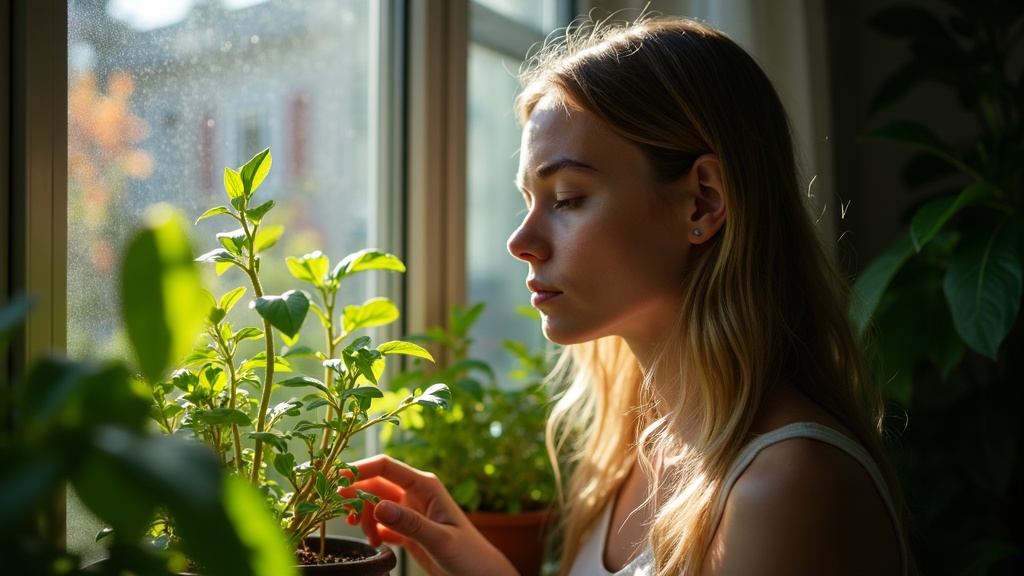
If you’ve got a shady apartment balcony, you’ve probably wondered whether growing food is even possible. You might have read that lettuce is shade tolerant or that herbs can handle low light. Then you planted them, watched them struggle, and felt like you did something wrong.
Here’s the truth: most advice about shade tolerant edible plants is either too optimistic or dangerously vague. When someone says a plant tolerates shade, they rarely explain what that actually means in real-world terms. Does it mean two hours of sun? Four? Bright indirect light all day? The lack of clarity leaves balcony gardeners guessing.
The good news is that you absolutely can grow food on a shady balcony. But you need to start with honest information about what different plants actually need, not wishful thinking dressed up as gardening advice. Some plants genuinely thrive with less light. Others just survive poorly and produce almost nothing.
This article cuts through the myths and gives you the real story. You’ll learn which edibles actually perform well in low light conditions, what kind of shade your balcony really has, and what realistic expectations look like. No one wants to waste time babying a tomato plant that will never fruit, or growing bitter lettuce that bolts in three weeks.
A shady balcony won’t turn into a farm. But with the right plants and the right approach, it can absolutely give you fresh herbs, greens, and other edibles worth the effort.
Leafy greens are the most reliable low light vegetables
Here’s the good news: leafy greens are much more forgiving in shade than most edibles. The reason is simple. You’re harvesting the leaves, not waiting for flowers or fruit to develop. Fruiting takes a massive amount of energy from the plant, and energy comes from sunlight. Leaves? They’re the solar panels themselves. The plant can make those without nearly as much light.
That said, shade still slows things down. Your lettuce won’t bolt as fast in low light, which is actually a bonus. But it will also grow more slowly, and the leaves tend to be softer and less sturdy. Flavors usually turn milder too. Arugula loses some of its peppery punch. Mustard greens mellow out. You’ll get smaller harvests overall, but you will get harvests.
The best approach is to pick a few leaves at a time instead of waiting for a full head. Snip the outer leaves when they’re big enough to eat, and leave the center of the plant intact. It’ll keep pushing out new growth. This works beautifully for lettuce, spinach, arugula, mustard greens, baby kale, and Swiss chard. Think of it as a haircut, not a beheading.
Start with lettuce if you’re new to this. Loose-leaf varieties are the easiest and most productive in shade. Spinach is a close second, especially in cooler months. Arugula grows fast even with limited light, and mustard greens are surprisingly tough. Swiss chard is the workhorse that keeps going for months if you treat it gently. Baby kale works, but expect it to stay baby-sized longer than usual.
Herbs that keep tasting good with less sun
If you’re going to grow anything edible in shade, herbs are your best bet. A handful of them handle low sunlight surprisingly well, though you need to adjust your expectations a bit.
Mint is nearly unstoppable. It’ll grow in part shade without much fuss, and the flavor stays strong. Same goes for parsley, which actually prefers some afternoon shade in hot climates. Chives are equally reliable and will keep producing those mild onion-flavored leaves season after season. Lemon balm is another winner, growing cheerfully in dappled light with that bright, lemony scent intact.
Cilantro deserves special mention. It’s one of the few herbs that actually benefits from shadier, cooler conditions because it won’t bolt to seed as quickly. If you’ve struggled with cilantro vanishing into flowers after two weeks, a shady balcony might be exactly what it needs.
Now for the reality check. Basil, rosemary, and thyme are sun-loving herbs that people often try to force into shade. They can survive there, but they usually grow leggy, weak, and less flavorful. If you try basil in low light, expect smaller leaves and a plant that stretches awkwardly toward whatever light it can find. It’s not that you can’t grow them at all, but they rarely justify the space when your balcony is already limited.
One simple trick works for all shade-tolerant herbs: pinch off the growing tips regularly. This just means using your fingers to snap off the top inch or two of each stem when you harvest. It encourages the plant to branch out sideways instead of getting tall and sparse. You’ll end up with bushier, more productive plants that don’t look sad and stretched out.
A few roots and stems can work, but they’re slower in shade
Root vegetables need a lot of energy to build what grows underground. All that starch and sugar has to come from somewhere, and that somewhere is sunlight hitting the leaves. When light drops, so does the plant’s ability to pump resources down into the root.
This doesn’t mean roots are impossible in shade. It means you need to adjust what you’re hoping for. Smaller roots. Longer waits. Sometimes a lot longer.
Radishes are your best bet if you’ve got bright indirect light or a few hours of direct sun. They’re fast growers by nature, so even when slowed down by shade, they’ll still give you something edible in a reasonable timeframe. Just expect them to be a bit smaller and to take an extra week or two.
Scallions and green onions are actually fantastic for shadier spots, especially if you’re growing them for the green tops rather than waiting for big bulbs below. You can even regrow them from grocery store scraps. The greens keep coming, and they don’t demand nearly as much light as a carrot or potato would.
Beets are worth trying if you think of them as a two-for-one deal. The leafy greens on top are delicious and shade-tolerant, similar to chard. The roots below will develop, but they’ll be smaller and take longer to size up. Harvest a few leaves as you go, and you’re getting food even while waiting for the root.
Don’t beat yourself up if your roots come out tiny or take forever. That’s not failure. That’s just physics. You’re still growing food in a challenging spot, and that counts.
Small setup choices that matter more in shade
The single biggest mistake people make is putting their pots wherever feels convenient. In a shady spot, every bit of available light counts. If one corner of your balcony gets an extra hour of morning sun, that’s where your containers go. Even reflected light from a light-colored wall helps.
Container size matters more than you’d think. Bigger pots hold moisture more steadily, which means your plants aren’t swinging between bone-dry and soaked. In shade, soil takes longer to dry out anyway, so a larger container gives you more margin for error. You’re less likely to accidentally drown your herbs on a rainy week.
That said, drainage is critical. Shade-grown plants sitting in soggy soil develop root problems fast. Make sure your containers have actual drainage holes, not just a layer of rocks at the bottom. And resist the urge to water on a schedule. Stick your finger in the soil first. If it’s still damp an inch down, wait.
Fertilizer can backfire in low light. Plants that don’t get much sun can’t process heavy feeding, especially nitrogen-heavy formulas. You’ll end up with floppy, pale leaves that don’t taste like much. Light, consistent feeding works better than occasional big doses. Think of it as snacking, not Thanksgiving dinner.
Finally, don’t cram your pots together. Shady balconies often stay damp, and tight spacing means no airflow. That invites mold and makes overwatering problems worse. Leave a little breathing room between containers, even if it means growing fewer plants. Healthier plants in fewer pots will give you more to harvest than a crowded, struggling collection.
What to expect from flavor and yield in low light
Plants growing in shade are like runners training at high altitude. They’re working harder with less fuel, so everything takes longer. A lettuce that matures in thirty days under full sun might need fifty days on your shady balcony. That’s not failure. That’s just how photosynthesis works when you’ve got less light to capture.
You’ll also harvest less often. A basil plant in full sun might give you handfuls of leaves every week. In shade, you’re looking at smaller pickings every two or three weeks. The plant simply can’t manufacture new growth as quickly. This matters most for things you harvest repeatedly, like herbs and salad greens.
Flavor changes too, though not always in a bad way. Shade-grown greens often taste milder because they produce fewer of the sharp-tasting compounds that protect leaves from sun damage. If you find arugula or mustard greens too spicy in summer, shade might actually make them more pleasant. On the flip side, herbs like basil can lose some of their punch.
Cool-season crops handle shade much better than heat-lovers. Lettuce, spinach, and parsley were built for spring conditions anyway, so they don’t mind lower light as much. Tomatoes and peppers, which evolved in blazing sun, will struggle and disappoint you on a dim balcony.
Your balcony’s light will shift with the seasons as the sun’s angle changes. A spot that gets decent morning light in summer might be nearly dark in winter, or the reverse. Pay attention to how things grow across a few months.
Watch for steady new leaves appearing, even if they’re small. Look for deep green color rather than pale yellow-green. Make sure stems stand upright and aren’t drooping from sitting in soggy soil. Those signs tell you the plant is actually photosynthesizing, not just surviving.





