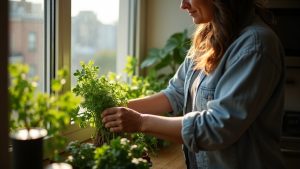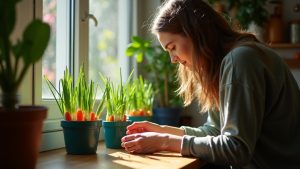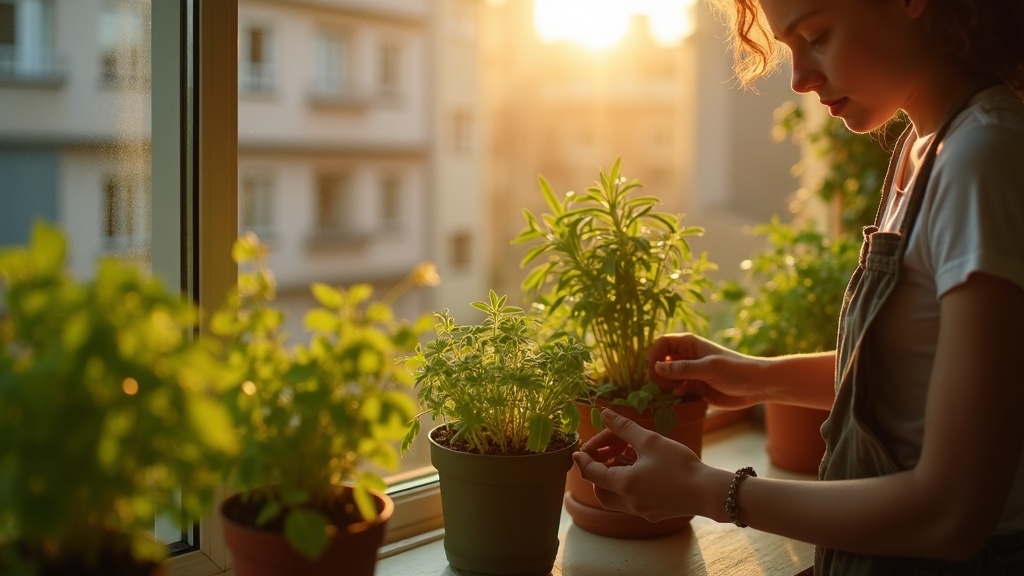
A sunny windowsill seems like the perfect spot for fresh basil, rosemary, or mint. You’ve got natural light pouring in, easy access from your kitchen, and a cozy little garden right where you cook. What could possibly go wrong?
Turns out, quite a bit. That bright windowsill creates a microclimate that’s nothing like an outdoor garden or even the rest of your apartment. The glass amplifies heat during the day, then the temperature drops at night. The soil dries out faster than you expect, or sometimes stays too wet because there’s less air circulation than outdoors. Your herbs get confused.
Most indoor herb failures aren’t about having a black thumb. They happen because people treat windowsill herbs like outdoor plants, watering on autopilot or assuming six hours of sun through glass works the same as six hours in a garden bed. It doesn’t.
The good news is that once you understand what’s actually happening on your windowsill, growing herbs indoors becomes much easier. You’re not fighting against some mysterious plant curse. You’re just managing a specific environment with its own quirks.
This guide will help you figure out whether your herbs are getting too much sun or not enough, how to water them without drowning or parching them, and why the pot you chose might be working against you. Small adjustments make a huge difference when you’re growing herbs indoors, especially in apartments where you can’t just move plants to a shadier corner of the yard.
Pot size and drainage decide whether you overwater
Most indoor herbs don’t die from lack of water. They drown. The problem usually starts with a pot that has no drain hole, or one that’s way too big for the plant inside.
Good drainage means water can actually escape. That sounds obvious, but a lot of decorative pots don’t have holes in the bottom. When water has nowhere to go, it sits at the bottom and turns the soil into a swamp. Your herb’s roots can’t breathe, and they start to rot.
Even if your pot has a hole, size matters. A tiny basil plant in a huge pot is swimming in wet soil that takes forever to dry out. The roots can only drink from a small area, so the rest just stays soggy. On the flip side, a pot that’s too small dries out in half a day, which is its own headache.
You’ll know something’s wrong when the soil smells sour or musty instead of earthy. Fungus gnats are another giveaway—those little flies love damp soil. If you stick your finger deep into the pot and it’s always wet near the bottom, even days after watering, that’s a mismatch. Leaves might look droopy and sad, but watering more just makes it worse.
The fix is usually simple. Move your herb to a pot that’s just an inch or two wider than the root ball, and make sure it has a drainage hole. Use a saucer underneath to catch water, but empty it after fifteen minutes so the pot isn’t sitting in a puddle. That small change solves most overwatering problems before they start.
Give enough sunlight without cooking the leaves
A sunny windowsill seems like the perfect spot for herbs. And it can be. But sunlight coming through glass works differently than outdoor light. The glass traps heat and magnifies intensity, especially during midday hours. What feels like paradise in the morning can turn into a miniature greenhouse by two in the afternoon.
Your herbs will tell you when they’re getting cooked. Look for bleached patches on the leaves, almost like they’ve been sun-bleached. The edges might turn brown and crispy, even if the soil is moist. Some herbs will actually wilt during the hottest part of the day, then perk back up in the evening. If your potting mix goes from damp to bone-dry in a single afternoon, that’s another red flag.
The simplest fix is to move your pots back a few inches from the glass. Even a small distance makes a big difference in temperature. You’re still giving them plenty of light, just less concentrated heat. Rotating your pots every few days also helps, so the same side isn’t always facing the intensity.
A sheer curtain works wonders during peak sun hours, usually between noon and three. You’re filtering the harshest rays without blocking all the light. Think of it like sunscreen for your basil. And make sure no leaves are actually touching the glass. On a hot day, that glass gets surprisingly warm and can scorch anything pressed against it.
Most kitchen herbs love bright light, but they don’t need to be roasted to thrive. A little adjustment keeps them growing strong instead of struggling to survive.
Use a watering routine that responds to the pot, not the calendar
Fixed watering schedules sound sensible until you realize your windowsill isn’t a lab. One week it’s cloudy and cool, the next week the sun blazes through the glass and your room heats up like a greenhouse. Your basil that needed water every four days suddenly wilts on day two. That’s why calendar-based routines fail for sunny windowsills.
Instead, check each pot before you water. Press your finger about an inch into the soil. If it feels damp or cool, wait. If it’s dry and powdery, it’s time. You can also lift the pot to feel its weight. A thirsty pot feels surprisingly light compared to one that was just watered.
Look at the leaves too. Herbs that need water often look slightly less perky, though they shouldn’t be dramatically wilted. If you catch them before they droop, you’re doing it right.
When you do water, water thoroughly. That means pouring slowly until water runs out the drainage holes at the bottom. Let it drain completely, then empty any water sitting in the saucer. Never let the pot sit in standing water or the roots will suffocate and rot.
Underwatered herbs on a sunny sill get crispy leaf tips and may drop leaves suddenly. Overwatered ones look wilted even though the soil is wet, and their leaves turn yellow or soft. If you’ve overdone it, let the soil dry out more between waterings and make sure your pot drains well. If you’ve underwatered, one good thorough soak usually perks them back up within hours.
This isn’t about perfection. It’s about paying attention and adjusting as conditions change.
Store-bought herb pots often fail because they’re overcrowded
That cheerful basil or parsley pot you brought home from the grocery store? It’s probably packed with anywhere from ten to thirty individual plants crammed into one small container. The growers do this on purpose. It makes the pot look lush and full on the shelf, but it’s terrible for long-term survival on your windowsill.
When that many plants share one tiny pot, they’re competing for water, nutrients, and root space. The soil dries out faster than you’d expect because all those stems are drinking at once. The roots stay shallow and tangled because there’s nowhere to spread out. Within a week or two, you’ll notice the leaves turning yellow or the whole thing looking scraggly, even if you’re watering regularly.
The fix is surprisingly simple. Gently tip the plant out of its pot and you’ll see it’s actually a clump of separate seedlings. You can carefully pull them apart into two, three, or four smaller bunches, depending on how many plants are jammed in there. Don’t worry about being perfect. Even if a few roots break, the plants usually bounce back.
Give each separated clump its own pot with fresh soil. Choose a pot that feels slightly too big rather than too small. After replanting, the herbs might look a bit droopy for a few days. That’s normal. They’re adjusting to their new space. Growth might slow down for a week or so, but that’s not failure. It’s recovery. Once the roots settle in, you’ll have healthier plants that actually stand a chance of thriving indoors.
Drafts and nighttime chill can undo a sunny day
Your basil looks perfect in the afternoon sun, but by morning the leaves are drooping and sad. You check the soil. You check the light. Everything seems fine, so what’s going wrong?
The answer might be hiding in plain sight: that same sunny window gets cold at night. Glass conducts temperature really well, which means when it’s chilly outside, the air right next to your windowpane can drop ten or fifteen degrees cooler than the rest of your room. Your herbs are basically spending the night in a different climate zone than they enjoyed all day.
Then there’s the draft factor. If you crack the window to air out your apartment—especially in spring or fall—that fresh breeze feels great to you but feels like a windstorm to a delicate herb plant. The combination of moving air and temperature swings stresses plants out fast. You’ll see leaf drop, brown edges, or growth that just stalls for no obvious reason.
Heating and AC vents create their own problems. A basil plant sitting directly above a radiator or in the path of cold air conditioning gets blasted with dry, moving air several times a day. It’s like asking the plant to live in a wind tunnel.
The fix is usually simple. Pull your pots an inch or two away from the glass at night, especially in winter. If you’re airing out the room, move the herbs to the counter for twenty minutes. And check where your vents blow—sometimes shifting a pot six inches to the left makes all the difference. Your herbs want steady conditions, not a daily roller coaster.
How you harvest affects whether the plant keeps growing
Most people snip off a few leaves when they need them and don’t think much about it. But the way you harvest actually tells the plant what to do next. Take leaves the wrong way, and your herbs get tall and spindly with barely any foliage. Do it right, and they grow back bushier than before.
The trick is to cut just above a node. That’s the little bump on the stem where leaves sprout out. When you pinch or snip right above one of these spots, the plant responds by growing two new stems instead of one. Over time, this creates a fuller, bushier herb with more leaves to harvest.
If you just pluck off the biggest leaves from the bottom or strip a stem bare, you’re not encouraging new growth where you want it. The plant puts energy into stretching upward instead of filling out. You end up with a sad stick with a tuft of leaves at the top.
Indoor herbs grow slower than their outdoor cousins because they get less light and air movement. That means they take longer to bounce back from a big harvest. Instead of cutting half the plant at once, take small amounts regularly. A few sprigs here and there keeps the plant productive without shocking it.
Think of it like getting a haircut versus shaving your head. Regular trims keep things healthy and shaped. A drastic chop takes weeks to recover from, and on a windowsill where growth is already sluggish, that recovery period can leave your plant looking rough for a long time.
Catch small problems early: gnats, aphids, and mold
The good news is that most indoor herb problems announce themselves early if you know what to look for. Check your plants every few days when you water, especially the undersides of leaves and the soil surface.
Fungus gnats are tiny dark flies that hover around the pot or dart across your windowsill. They breed in constantly damp soil, which means your watering schedule might be too generous. Let the top inch or two of soil dry out completely between waterings, and the gnat cycle will break on its own. You can also scrape off the top layer of soil and replace it with fresh mix to remove eggs.
Aphids show up as little clusters on new growth or along stems. They’re usually green or black, and they leave behind sticky residue on leaves or the windowsill below. Poor airflow and overcrowding make them comfortable. If you spot them early, a gentle rinse under the kitchen tap will wash most of them away. Repeat every few days until they’re gone, and pull your pots apart slightly so air can move between them.
White fuzzy mold on the soil surface means things are staying too wet and there’s not enough air circulation. It’s harmless to the plant itself, but it’s a clear sign to adjust your care. Scrape it off, let the soil dry more between waterings, and consider cracking the window for a few minutes daily if the room feels stuffy.
None of these problems mean you’re failing. They’re just feedback from your windowsill microclimate, telling you to tweak something small before it becomes something bigger.