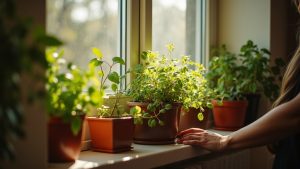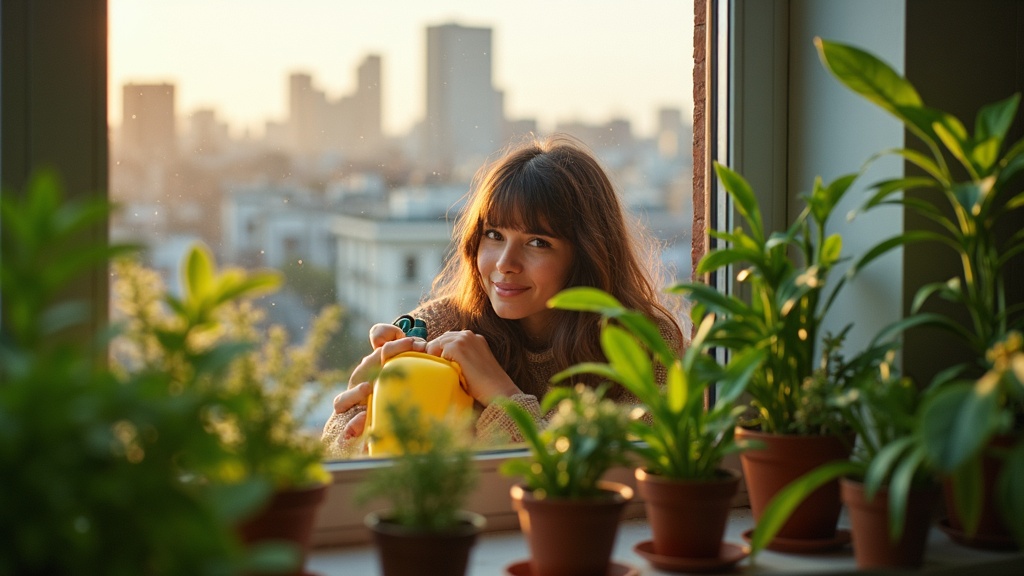
You want to grow herbs on your balcony or tomatoes on your windowsill, but your apartment has other ideas. There’s no shed for storing rakes and shovels. Your kitchen counter is already crowded. And dragging a watering can across your living room carpet? Not ideal.
Here’s the thing: most gardening tools are designed for people with yards, garages, and outdoor hose hookups. They take up space you don’t have and solve problems you’ll never face. A full-sized shovel makes zero sense when you’re working with a few pots on a fire escape.
The good news is that apartment gardening doesn’t require downsized versions of the same old tools. It needs completely different ones. Tools that fold flat, hang on hooks, or tuck into a drawer. Watering solutions that don’t involve lugging heavy containers or making a mess. Supplies designed around the reality of container gardening in tight quarters.
When you choose the right gear, everything gets easier. You can garden without clutter. You can water without spills. You can store everything you need in a single bin or on a small shelf. And you can actually enjoy the process instead of fighting against your space.
This guide focuses on tools built specifically for small-space growing. Not miniature garden centers, but smart picks that acknowledge your real constraints: limited storage, indoor-outdoor transitions, and the fact that you’re working on a much smaller scale than traditional gardeners.
Start by choosing tools that solve your biggest apartment pain point
Before you buy anything, stop and think about what actually drives you crazy about gardening in a small space. That frustration is your starting point.
If storage is your problem, you need tools that collapse, fold, or hang. A watering can that flattens when empty takes up almost no room. Folding pruning shears slip into a drawer instead of cluttering your counter. The key is choosing items that shrink when you’re not using them.
Hate the mess? Soil spills and water puddles are way more annoying when they happen on your living room floor. Look for closed containers with lids for storing potting mix. Get a watering can with a narrow spout that actually goes where you aim it. Some people swear by plastic plant saucers with raised edges to catch drips before they reach your furniture.
If you struggle to reach your plants or water them consistently, that’s a different kind of problem. A small watering wand with an extension helps you get to hanging baskets without climbing on chairs. Self-watering planters take care of thirsty plants when you’re busy or forgetful.
No outdoor workspace means you’re probably repotting on your kitchen table or balcony. A compact potting mat keeps the dirt contained and rolls up when you’re done. Or pick a lightweight tray with sides that you can move around easily.
The smartest move is buying tools that do double duty. A hand trowel with measurement marks helps you plant at the right depth without extra tools. Pruning shears that also cut twine save you from digging through a drawer. The fewer single-purpose items you own, the less you need to store.
Collapsible and nesting tools that disappear into a drawer
The best apartment gardening tools earn their keep by vanishing when you’re done with them. A good folding trowel collapses to half its working length and slips into a kitchen drawer next to the dish towels. Telescoping handles let you adjust a rake or cultivator from full reach down to something shorter than a ruler.
What makes these tools apartment-friendly isn’t just that they get smaller. It’s that they still feel solid in your hand. Look for metal hinges with locking pins or spring-loaded buttons that click into place. Plastic snap locks work fine for lightweight jobs like potting mix, but they can crack if you’re digging into compacted soil or prying out a stubborn root.
Nesting hand tool sets are clever because the handles stack inside each other like measuring cups. A typical set might include a trowel, transplanter, and cultivator that all share the same grip diameter. When you nest them together, three tools take up the space of one.
Materials matter more in collapsible tools than in regular ones. Aluminum stays light but bends under pressure. Stainless steel adds weight but holds up to serious use. Reinforced nylon handles strike a middle ground and won’t rust if you forget to dry them off.
Wall-mounted tool organizers give you another disappearing act. A simple pegboard or magnetic strip keeps your hand tools visible but off the counter. Hooks work great for anything with a hanging hole, and they turn a narrow slice of wall into functional storage that doesn’t eat into your living space.
The real test is whether you’ll actually use these tools or leave them in the drawer because they’re annoying to unfold. Good hinges and smooth locks make the difference between a clever space saver and a frustrating gimmick.
Compact watering solutions that prevent spills and overwatering
Watering indoor plants sounds simple until you’re kneeling on your living room floor, soaking up a puddle with paper towels. Regular watering cans are bulky and often pour too fast, which means water splashes onto furniture or floods straight through the drainage holes onto your windowsill.
A slim watering can with a long, narrow spout gives you way more control. Look for one that holds about half a liter if you have just a few plants. The skinny spout lets you aim water right at the soil without drenching leaves or missing the pot entirely. These store easily in a cabinet or even hang on a hook.
Squeeze bottles with angled spouts work beautifully for shelf plants or anywhere you need precision. You can upcycle a condiment bottle or buy one designed for bonsai care. The angled tip reaches into tight corners, and you control the flow by how hard you squeeze.
Self-watering planters have a built-in reservoir at the bottom that feeds water up to the roots gradually. They’re fantastic if you travel often or tend to forget watering day. Just refill the reservoir every week or two instead of watering from the top daily. They take up the same space as a regular pot but do double duty.
For window ledges, grab saucers or trays that actually fit the space. Measure before you buy. A properly sized drip tray catches overflow without tipping off the edge when you open the window. If you have several small pots on one shelf, a single shallow tray underneath all of them keeps things tidy and catches any drips in one place.
Mess-control tools for potting, mixing soil, and repotting indoors
The biggest thing stopping people from gardening indoors isn’t lack of sunlight or space. It’s the fear of making a mess. Spilled soil, dusty surfaces, and dirt tracked across the floor can turn a relaxing hobby into a cleaning nightmare.
A good potting mat changes everything. Look for ones with raised edges that catch spills before they hit your counter or floor. Some fold up into pouches when you’re done, making it easy to funnel leftover soil back into the bag. They wipe clean in seconds and roll up flat for storage.
Small scoops and funnels designed for tight spaces help you transfer soil without showering your kitchen in potting mix. A compact hand broom and dustpan set sized for apartment life tucks into a drawer and handles quick cleanups without dragging out full-size cleaning supplies.
Tray-based work surfaces give you a contained area for messy tasks. Think of them like cookie sheets with deeper sides. Everything stays in one place, and when you’re finished, you just wash the tray.
Storage matters too. Keeping soil in its original bag invites spills and attracts fungus gnats, those annoying tiny flies that show up around houseplants. Sealed bins or containers with tight lids keep soil fresh, prevent odors, and stop pests before they start. Bonus: stackable bins make the most of closet or under-sink space.
A small sifting screen helps break up clumpy soil and remove debris, making repotting smoother. You don’t need anything fancy. Just something that fits over a bowl or bucket and doesn’t take up half your cabinet.
Container gardening gadgets that make small pots easier to manage
Container plants need a few things to thrive that aren’t always obvious at first. Good drainage matters more than most people realize. If water sits at the bottom of your pot, roots can rot. Pot risers solve this by lifting containers an inch or two off the ground, letting air flow underneath and water drain away cleanly. They’re small plastic or wooden stands that tuck under your pots and keep balcony floors or windowsills from developing water stains.
Light is another tricky issue when you’re working with limited space. Plants near walls or in corners don’t get even sun exposure. Stackable planters help here because they create vertical tiers, so each plant gets its own level and more light reaches lower pots. Some designs even rotate, which is handy if you only have one sunny spot to work with.
As plants grow, they often need support but you can’t drill holes into rental walls. Clip-on trellis systems attach directly to container edges without tools or damage. They’re perfect for tomatoes, beans, or any climber that would otherwise sprawl everywhere. Adjustable plant supports work similarly, using tension or clips instead of screws.
Floor protection matters too, especially if you’re growing anything indoors. Standard saucers catch overflow, but the good ones have cork or felt bottoms that won’t leave rings on wood or tile. Look for deeper saucers if you tend to overwater or if your plants drink slowly. Some even have built-in drainage grids that keep roots from sitting in standing water, which brings us back to that drainage issue again.
Small-footprint lighting and indoor growing tools
Not every apartment gets enough sunlight for plants to thrive. North-facing windows, tall neighboring buildings, or deep rooms can leave your herbs and seedlings struggling. The good news is that small, targeted grow lights can fill in those gaps without taking over your space or jacking up your electric bill.
Clip-on grow lights are perfect for apartments because they attach directly to shelves, desks, or pot rims. They shine light exactly where you need it and fold away when not in use. Look for models with flexible necks so you can aim the light as your plants grow. Some even come with built-in timers, which means you won’t forget to turn them on or off.
Slim LED grow bars are another smart choice if you’re growing plants on a bookshelf or windowsill. They mount underneath the shelf above or sit flat behind your pots. They cast a gentle glow without the glare of a desk lamp, and many are linkable so you can control several with one plug.
A simple timer plug is worth grabbing even if your light doesn’t have one built in. Most plants do best with around twelve to sixteen hours of light, and a timer handles that automatically. It also prevents your living room from glowing purple all night, which your sleep schedule will appreciate.
Keep heat in mind. LEDs run cool, but older bulbs can warm up a tight space fast. Make sure there’s a little airflow and don’t cram lights right against leaves. Cord management matters too. Use adhesive clips or velcro ties to keep cables tidy and out of walkways.
You don’t need grow lights for every plant. If your space gets decent indirect light, start without them. But for darker corners or winter months, a small light can make the difference between a plant that survives and one that actually grows.
Mini pruning and plant-care tools that do more than their size suggests
Indoor plants need regular grooming just like outdoor ones, but full-size pruning shears feel absurd when you’re trimming a basil plant on your kitchen counter. Mini pruners and snips are built for exactly this situation. They fit in a drawer, feel precise in your hand, and handle delicate stems without crushing them.
Compact pruners with curved blades work beautifully for snipping herbs, removing dead flowers, and trimming wayward growth on houseplants. Look for models with a safety lock that clicks shut when you’re done. This keeps the blades covered and prevents you from accidentally stabbing yourself when you reach into a drawer full of tools.
For really finicky work, small tweezers or pointed snips make a huge difference. Dead leaves tucked deep inside a crowded pot are hard to reach with your fingers, especially without damaging healthy growth around them. Long-nosed tweezers let you pluck out brown bits cleanly. Some people use these for removing pests too, though hopefully you won’t need that feature often.
Tiny hand cultivators and soil rakes help you work the top inch of soil in container gardens without disturbing roots below. They’re especially useful when you need to mix in a bit of fertilizer or break up crusty soil that’s been compacted by watering. The short handles give you better control in tight spaces than full-length garden tools.
If you grow leafy plants like pothos or philodendron, a small microfiber cloth or soft brush keeps leaves dust-free and looking healthy. Clean leaves actually photosynthesize better. It sounds fussy, but a quick wipe every few weeks makes a visible difference, and these tools store flat in any drawer.
Storage tricks that keep gardening supplies from taking over your home
Even the smallest gardening setup needs a home. The good news is that your collapsible tools and compact supplies can disappear into surprisingly clever hiding spots.
Over-the-door organizers are secret weapons for apartment gardeners. Hang one on the back of a closet door or pantry, and suddenly you have pockets for seed packets, garden gloves, folded kneeling pads, and small hand tools. They take up zero floor space and cost less than a nice dinner out.
Pegboards mounted inside cabinet doors or on a narrow wall section turn vertical space into instant storage. Hook your folding trowel, collapsible watering can, and pruning shears where you can see them. Everything stays organized and nothing gets buried at the bottom of a bin.
Rolling carts are perfect if you have even a sliver of space between furniture or next to the fridge. Load yours with potting mix bags, nesting pots, and a compact spray bottle, then wheel it to your balcony when it’s planting time. When you’re done, it rolls back out of sight.
The area under your kitchen sink often has room for a slim plastic bin. That’s where sealed containers of fertilizer and pest control belong, safely away from curious pets and humidity. Just make sure lids are tight.
Garden caddies pull everything together in one portable bundle. Think of them like a shower caddy, but for plants. Drop in your essentials and carry the whole kit to wherever you’re working. When you’re finished, the caddy tucks into a closet or under a bench. No sprawl, no mess, no excuses.