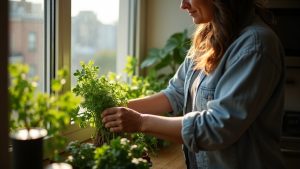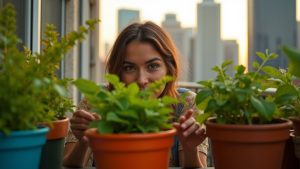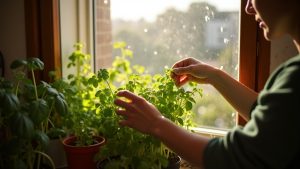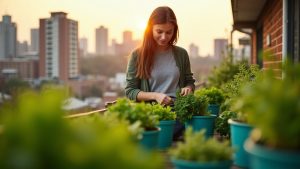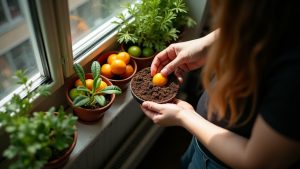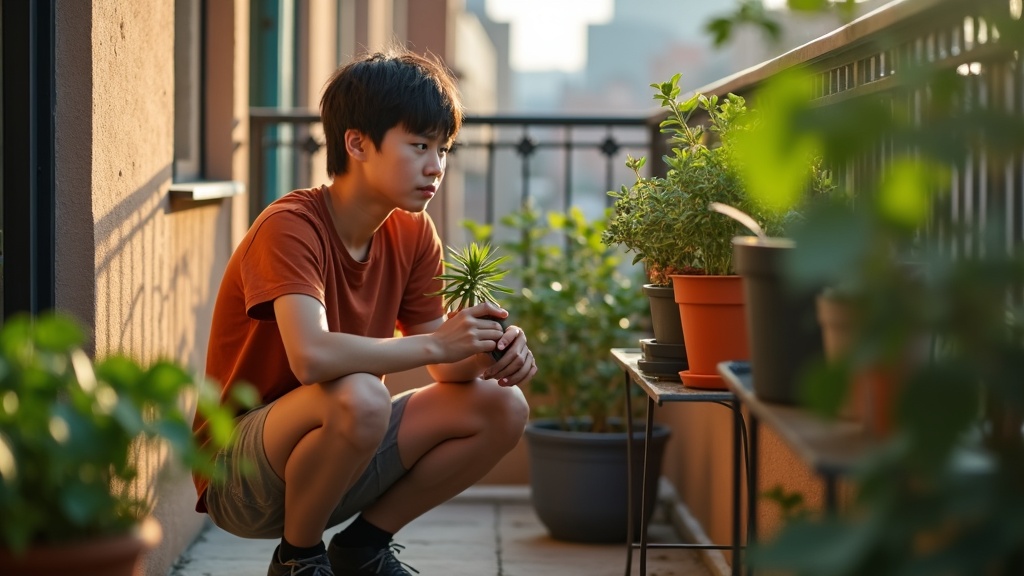
Apartment gardening sounds like a great idea until you’re mopping up soil from your balcony, hauling heavy pots up three flights of stairs, or watching your plants wilt because you forgot to water them during a busy week. The container you choose matters just as much as the plant itself.
Most gardening advice assumes you have a yard, a hose nearby, and plenty of room to spread out. But apartment life comes with real constraints. You might be renting and need to take everything with you when you move. Your balcony might only get morning sun, or maybe just reflected light from across the street. You could be dealing with weight limits, nosy landlords, or simply not enough floor space for traditional pots.
The good news is that container technology has caught up with city living. Self-watering pots can keep plants happy for days without attention. Grow bags weigh almost nothing and fold flat when you move. Vertical planters let you grow up instead of out, turning a blank wall into a garden.
Choosing the right container isn’t about finding the perfect product. It’s about matching what you buy to how you actually live. If you travel for work, you need different pots than someone who’s home every evening. If you’re on the fifth floor without an elevator, weight matters more than it would in a ground-floor unit.
This guide will help you figure out which containers solve your specific apartment headaches, so you can actually enjoy growing things instead of fighting with them.
Start with the apartment problems you need the container to solve
Before you fall in love with a cute ceramic pot or scroll through endless container options online, pause for a moment. The best way to narrow your choices is to think about what makes apartment gardening tricky for you specifically.
Maybe your balcony is the size of a yoga mat. Maybe your landlord sends stern emails about water stains on the deck below. Maybe you travel for work and come home to crispy brown plants every time. These aren’t failures. They’re just constraints, and the right container can work around them.
If you’re dealing with a tiny space, vertical planters or stackable pots let you grow up instead of out. If you’re worried about weight because you’re on an upper floor or have a rickety balcony, lightweight fabric grow bags or resin containers solve that problem without looking cheap. If mess is the issue, look for anything with a built-in drip tray or saucer that catches runoff before it becomes your neighbor’s problem.
Forgetful waterers and frequent travelers should zero in on self-watering pots. These have a reservoir at the bottom that feeds water to the soil gradually, so your plants don’t punish you for a long weekend away. And if you move apartments often, containers with handles or wheels make packing up your little garden much less of a headache.
You don’t need to solve every problem at once. Just pick your biggest one or two pain points. That alone will cut your options down to a manageable handful, and you’ll end up with containers that actually fit your life instead of fighting against it.
Choose containers that prevent leaks, stains, and surprise drips indoors
The biggest worry about growing plants indoors isn’t killing them. It’s the water. Nobody wants a puddle on their hardwood floor or a rust ring on their windowsill. The good news is that preventing leaks and drips is straightforward once you understand how drainage works.
Most outdoor pots have drainage holes at the bottom. Water flows through the soil and out the holes, which is exactly what plant roots need. Indoors, though, those holes become a problem unless you catch the water before it reaches your furniture. That’s where saucers and trays come in.
A good drip tray should be wider than the pot’s base, not narrower. It needs a raised lip around the edge, at least half an inch tall, to contain overflow when you water generously. Flimsy plastic saucers crack and tip easily. Look for something sturdy that won’t buckle under the weight of a wet pot.
Some people skip the drainage hole entirely and use sealed decorative pots. This can work, but it’s tricky. Without a way for excess water to escape, it pools at the bottom where you can’t see it. Roots sitting in hidden water eventually rot. If you love a particular ceramic pot without holes, use it as an outer shell. Put your plant in a plain plastic pot with drainage, then set that inside the decorative one. This setup, sometimes called a cachepot, gives you drainage protection and good looks.
Check your trays a few hours after watering. If water’s still sitting there, pour it out. Letting it evaporate slowly can leave mineral stains on surfaces and keep soil too wet. A quick drain check becomes second nature after a few weeks.
Use self-watering pots when your schedule makes watering inconsistent
Self-watering pots have a hidden reservoir at the bottom that holds extra water. The soil draws moisture up from this reservoir as the plant needs it. Think of it like a slow, steady drink instead of getting drenched all at once.
This setup takes some pressure off your routine. If you work late three nights in a row or forget to water over the weekend, your plants can keep drinking from that reservoir. They’re especially helpful if you travel for work, have a window that gets blasted with afternoon sun, or simply want a little forgiveness built into your container choice.
Beginners often find them reassuring. You’re not constantly second-guessing whether the soil is too wet or too dry. The reservoir gives you a buffer, and many models have a little window or gauge so you can see when it’s time to refill.
That said, they’re not magic. You still need to check the reservoir every week or so, depending on the plant and the season. When it’s empty, you refill it. Simple enough, but it’s a task you can’t skip entirely.
They also get heavy when the reservoir is full, so moving them around isn’t as easy as it sounds. And every few months, it’s smart to flush out the reservoir to prevent mineral buildup or algae. It’s not hard, just something to keep in mind.
If your schedule swings between hectic and calm, or you’re tired of coming home to droopy leaves, self-watering pots are worth trying. They won’t fix neglect forever, but they do stretch out the time between waterings in a way that fits real life better.
Pick lightweight containers if you move plants around for light or plan to relocate
If you’ve ever dragged a heavy ceramic pot across your apartment to catch better sunlight, you know weight matters. A container that seems fine when you first plant it becomes a real problem when it’s full of wet soil and you need to carry it to the sink or rotate it so all sides get light. And if you’re like most apartment dwellers, you’ll probably move at least once while your plants are still thriving.
Lightweight containers make all of this easier. Plastic pots are the obvious choice and they’ve come a long way from the flimsy orange ones at the hardware store. Modern resin containers can look like ceramic or stone but weigh a fraction as much. Fabric grow bags are even lighter and they fold flat when empty, which is perfect if you’re short on storage space.
The tradeoff is stability. A lightweight pot with a tall plant can tip over easily, especially on a windy balcony. You can solve this by choosing wider containers with a low center of gravity, or by placing them against a wall. In extreme heat or cold, lightweight materials don’t insulate roots as well as thick ceramic does, so you may need to water more often in summer or move tender plants inside during cold snaps.
Look for containers with built-in handles or consider buying a rolling plant caddy. When a pot is easy to move, you’re more likely to actually give it the light it needs. You’re also more likely to carry it to the sink for a proper watering instead of awkwardly pouring water from a cup and hoping for the best. Small conveniences add up to better plant care.
Use grow bags for flexibility in tight spaces and awkward corners
Grow bags are exactly what they sound like: soft fabric or plastic pouches you fill with soil and plant directly into. They look a bit like reusable grocery bags, but sturdier and designed to hold moisture without falling apart. Most come with handles stitched into the sides.
The big advantage in an apartment is how adaptable they are. You can tuck them into corners that rigid pots won’t fit, squeeze them onto narrow balcony edges, or slide them under a railing. When the season ends, you empty them out, fold them flat, and store them in a closet or under the bed. No wrestling with heavy ceramic planters or trying to find room for a stack of empty pots.
Grow bags work especially well on balconies and patios where you have access to open air and don’t mind a little water runoff. The fabric ones breathe, which helps roots stay healthy, but it also means water escapes through the sides and bottom. That’s fine outdoors, but indoors you’ll need to set them on waterproof trays or mats to protect your floor.
One trade-off to keep in mind: grow bags dry out faster than solid containers. The fabric allows evaporation from all sides, not just the top. You might need to water every day or two in hot weather, especially for smaller bags. If you travel often or forget to check your plants, pair them with a watering routine you can actually stick to.
They’re not a magic solution, but if your space is cramped or oddly shaped, grow bags give you options that hard-sided pots just can’t match.
Try vertical planters when floor space is the real limitation
When you’re running out of surfaces but still want more plants, vertical planters let you grow upward instead of outward. They’re designed to hold multiple plants in a stacked or wall-mounted arrangement, so you can fit a small herb garden or a collection of trailing flowers into the footprint of a single pot.
Stacked planters are probably the easiest option. They look like a tower of individual pots connected by a central support pole. You fill each tier with soil and plants, and water drips down from the top level to the ones below. They work well on a balcony or next to a sunny window where you’d normally put one large pot.
Wall-mounted pocket planters hang flat against a wall or fence and have fabric or plastic pockets for each plant. They’re great for herbs or small leafy greens. Just make sure there’s something waterproof behind them, because water will seep through the fabric or drip from drainage holes. A balcony railing or exterior wall works better than your living room drywall.
Railing planters hook directly onto balcony rails without any tools. They sit on top or hang over the edge, and they’re perfect for flowers or compact vegetables like lettuce. No drilling required, and they keep your balcony floor clear.
The main thing to watch with any vertical setup is weight. Soil gets heavy when it’s wet, and a fully loaded tower or wall planter can be heavier than you expect. Make sure whatever you’re hanging or stacking can handle the load. Also think about how you’ll water the top levels without making a mess below. A small watering can with a narrow spout helps you stay accurate.
Match container size to your space so plants don’t outgrow your life
The biggest mistake apartment gardeners make is choosing containers that look perfect in the store but become a problem at home. A pot that’s too big gets impossibly heavy when filled with wet soil. A pot that’s too small dries out so fast you’ll be watering twice a day just to keep your plant alive.
Here’s the daily reality: larger pots hold more soil, which means they retain water longer and give roots more room to spread. That sounds great until you need to move a twenty-pound planter off your balcony before a storm or realize it’s blocking your only walking path. Smaller pots fit nicely on windowsills and shelves, but they heat up quickly in sun and need constant attention during warm months.
Start modest. A container about the size of a large mixing bowl works well for most herbs, lettuces, and compact flowers. When you see roots poking through drainage holes or circling the soil surface, that’s your signal to size up. Go one size larger, not three.
Pay attention to shape too. Tall plants like tomatoes or sunflowers get top-heavy and tip over in narrow pots, especially on windy balconies or ledges. Choose containers with a wider base for anything that grows upward. A pot that’s as wide as it is tall gives you the best balance between stability and space.
Think about your surfaces before you buy. Round pots wobble on narrow railings. Rectangular planters make better use of long windowsills. And if you’re putting containers on furniture or floors you care about, remember that even lightweight pots gain serious weight once planted and watered.
A few city gardening tools make almost any container easier to live with
You don’t need to replace all your containers to solve apartment gardening headaches. A handful of simple tools can fix most of the annoying problems that come with growing plants indoors or on small balconies.
Water leaks are probably the biggest source of stress. A waterproof tray under each pot catches drips before they reach your floor or the neighbor’s balcony below. If you have carpets or wood floors, consider getting a protective mat for your plant corner. It’s cheaper than fixing water damage.
A watering can with a long, narrow spout makes a huge difference indoors. It lets you aim water exactly where you want it, right at the soil surface, without splashing walls or furniture. This matters more than you’d think when you’re watering a crowded windowsill.
Overwatering kills more apartment plants than anything else. A basic moisture meter takes the guesswork out of when to water, especially if you’re still learning what different plants need. If you’d rather not buy another gadget, stick your finger about two inches into the soil. If it feels damp, wait a day or two.
Heavy pots are a pain to move for cleaning or chasing sunlight. Plant caddies are just small platforms with wheels, but they turn a back-straining task into something you can do with one hand. They work on balconies and indoor floors equally well.
If you use railing planters, get clip-on saucers that attach underneath. They catch overflow without you needing to lift the whole planter off the railing to check for drips. Small fix, big relief.