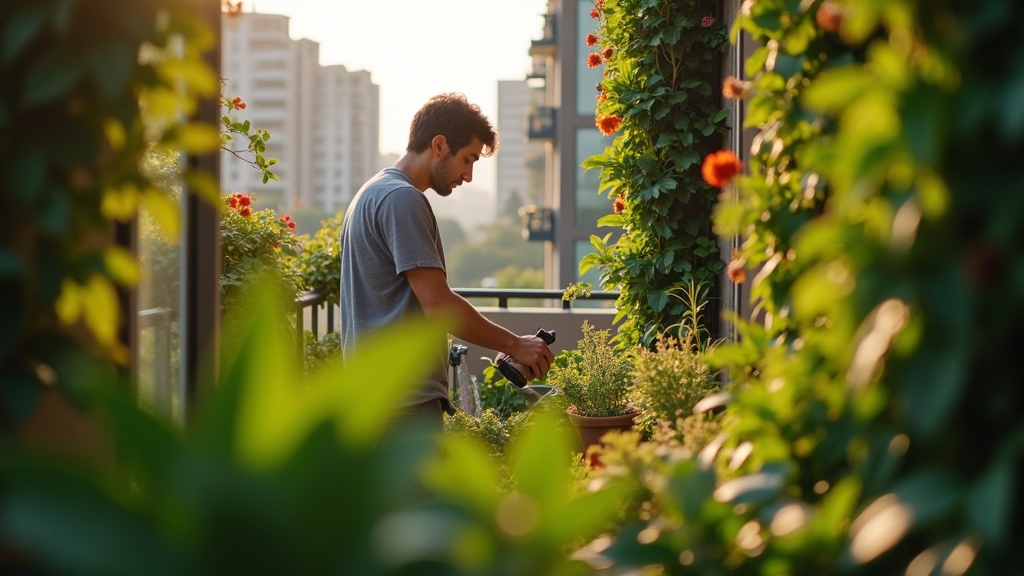
If you’re renting an apartment with a small balcony, you’ve probably faced this frustrating choice. Either keep your balcony bare and boring, or risk your security deposit by drilling holes in walls that aren’t yours. Neither option feels great when you just want to grow a few herbs or flowers.
Here’s the good news. Vertical balcony planters let you create a thriving garden that goes up instead of out, and many designs work perfectly without a single screw or drill bit. You can add real growing space to even the tiniest balcony while keeping your landlord happy and your deposit safe.
The secret is using planters that hang over railings, lean against walls, or stand on their own. These designs take advantage of vertical space that usually sits empty anyway. Instead of crowding your floor with pots until there’s no room to stand, you’re using the air above it.
This approach works whether you have a narrow Juliet balcony or a slightly larger space. You don’t need a big budget either. Some of the most effective vertical solutions cost less than a nice dinner out, and you can start small and add more as you go.
The best part? When it’s time to move, everything comes with you. No patching holes, no explaining damage, no awkward conversations with your landlord. Just unhook your planters and take your garden to your next place.
Start with space, sun, and what your lease allows
Before you buy anything, grab a tape measure and spend five minutes on your balcony. You need to know what you’re actually working with.
Measure the width and depth of your balcony floor, then check the height from floor to ceiling or overhang. This tells you how tall your vertical setup can be without blocking anything important. Pay attention to where your door swings open and where you need to walk through. A planter that looks perfect online can become a daily obstacle if it blocks your path to the railing.
Look closely at your railing type. Is the top flat and wide enough to hang something over? Does it have vertical bars you can hook onto? If it’s solid glass or metal panels, your hanging options change completely. Each railing style works with different kinds of vertical planters.
Now think about sun and weather. Stand where you want to put your planters and count how many hours of direct sunlight that spot gets during the day. Some plants need six hours, others are fine with two. Also notice how windy it gets. A breezy balcony needs planters that won’t tip over or dry out too fast.
Check your lease or ask your landlord about restrictions. Most renters can’t drill holes, attach permanent fixtures, or let water drip onto neighbors below. You need to work within those rules. This is actually easier than it sounds because plenty of vertical planters are designed exactly for this situation.
One last thing that’s easy to forget: wet soil is surprisingly heavy. A few small planters won’t matter, but stacking multiple levels means you’re adding real weight. If your balcony has a weight limit posted, stay well under it. Also plan to protect your floor from water with trays or mats, especially if you have wood or composite decking that can stain.
Pick a vertical planter style that doesn’t require permanent changes
The good news is you have plenty of options that won’t leave a single mark on your balcony. Each style works a bit differently, so it helps to think about your space and what matters most to you.
Freestanding tiered stands are probably the easiest place to start. They look like small staircases or shelves and sit flat on your balcony floor. You just set them down and start adding pots. They’re stable, easy to move around, and can hold a decent number of plants depending on how many tiers you get. The downside is they do take up floor space, which might be tricky if your balcony is really narrow.
Leaning ladder planters rest against your balcony wall at an angle. They use a bit less floor space than tiered stands and give you that Instagram-worthy layered look. Just make sure your balcony has a solid wall to lean against. They can get a little wobbly in strong wind if they’re not positioned well.
Railing-mounted planters with adjustable brackets hook right over your balcony railing without any tools. They’re amazing for truly tiny balconies because they don’t use floor space at all. The catch is they only work if you have horizontal railings, and each planter usually holds just one or two plants.
Tension-pole systems wedge between your floor and ceiling using spring pressure. They can hold a surprising number of plants on adjustable shelves, but you need a balcony with a roof or overhang above you. They’re rock solid once installed and easy to take down when you move.
Over-the-rail pocket planters are fabric panels that drape over your railing like a saddle. They’re lightweight, pack flat for storage, and hold multiple plants in individual pockets. Wind can be an issue with lighter fabric versions, and they work best with smaller plants and herbs rather than anything heavy.
Make it stable and protect the balcony from mess and damage
The biggest worry with vertical balcony planters is tipping. A tall planter that falls over can damage your balcony, hurt someone, or fall onto a neighbor’s space below. The fix is simple: choose planters with wide, heavy bases. The wider the bottom, the harder it is to knock over.
Put heavier items at the bottom of your planter. Use potting mix rather than lightweight alternatives at the base, and plant your biggest, heaviest plants low. This keeps the center of gravity down where it belongs. If your planter still feels wobbly, tuck a decorative stone or two at the bottom before adding soil.
Position tall planters against the wall or railing, but use a thin piece of outdoor foam or rubber between them to prevent scratching. You can also use removable zip ties or adjustable straps around railings if your lease allows it. These hold planters steady without drilling and come off cleanly when you move.
Water damage is the other big issue. Landlords hate stains, and neighbors below hate surprise drips. Always use saucers or trays under every planter. Check that runoff stays inside your balcony, not draining onto someone else’s space. Watering mats or absorbent liners can catch excess moisture before it becomes a problem.
Protect your balcony floor with an outdoor rug or rubber mat under your planting area. These catch stray soil and water while preventing scratches. They also make the space look more intentional and finished. Keep walkways clear so you’re not tripping over planters or dragging wet leaves into your apartment. A tidy setup keeps everyone happy, including your landlord.
Set up containers and watering so vertical planters don’t become a chore
The biggest reason people abandon vertical balcony planters is that watering becomes annoying. But if you set things up right from the start, keeping plants alive takes five minutes instead of twenty.
Start with the soil itself. Regular garden soil is way too heavy for vertical planters and makes them sag or tip. Use potting mix instead, which is lighter and fluffier. It weighs less and lets water move through properly, which matters when your containers are stacked or hanging.
Every pot needs drainage holes at the bottom. Water has to escape or roots will rot. Put a saucer under each pot to catch runoff, especially if you’re worried about dripping on neighbors below. Just don’t let pots sit in standing water for hours. If the saucer stays full, pour it out.
Here’s the catch with vertical planters: smaller pots dry out faster than big ones, and balcony wind makes it worse. If your balcony gets direct sun or strong breezes, you might need to water every day in summer. Check the soil with your finger before you water. If the top inch feels dry, it’s time.
A small watering can with a narrow spout makes reaching upper tiers much easier than hauling a big one. Some people like plastic bottles with pin holes in the cap for slow drips. Self-watering inserts are another simple option that hold extra water at the bottom of the pot.
Group plants with similar needs on the same level. Put thirsty herbs together and drought-tolerant succulents together. That way you’re not overwatering some to keep others alive. It sounds obvious, but it saves so much frustration.
Choose plants that match your light and your planter’s shape
Not every plant will be happy in a vertical balcony planter. The good news? Plenty of beautiful, productive options will thrive there if you match them to your conditions.
Start by figuring out how much sun your balcony actually gets. Full sun means six or more hours of direct sunlight. Part shade is more like three to five hours. This matters because sun-loving plants like cherry tomatoes, basil, and peppers need those longer hours to grow well. If your balcony is shadier, lean toward leafy greens like lettuce and spinach, herbs like parsley and mint, or ornamental plants like fuchsias and begonias.
Vertical planters usually have tiers or pockets at different heights. Put your sun-lovers at the top where they’ll catch the most light. Tuck shade-tolerant plants lower down where upper leaves might cast shadows. Save the outer edges for trailing plants like strawberries, trailing petunias, or sweet potato vine. They’ll spill over beautifully and make the whole setup look fuller.
Size matters too. Vertical planters hold less soil than ground pots, so stick with compact varieties. Small pepper plants work better than large heirloom tomatoes. Herbs are perfect because most have shallow roots and don’t get huge. Strawberries are another winner since they naturally cascade and don’t need deep soil.
Remember that weight adds up fast once you water everything. Heavy fruiting plants in every pocket can strain a no-drill mount. Balance edibles with lightweight ornamentals, or focus on herbs and greens that stay manageable. Your planter will look better and last longer when the plants fit the space they’re actually living in.