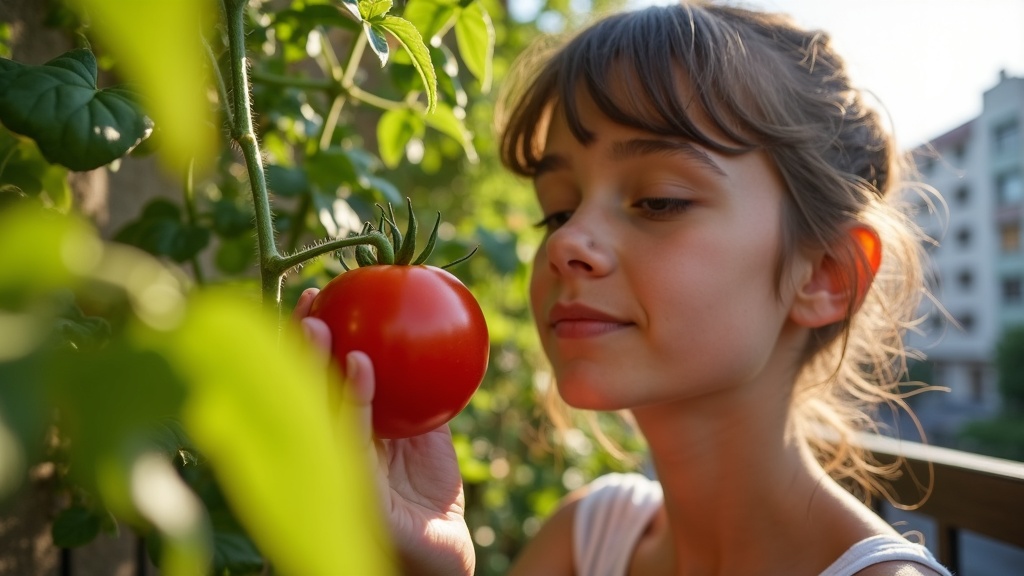
Growing tomatoes on your balcony or patio is one thing. Knowing exactly when to pluck them off the vine is another. You’ve watched those green orbs slowly blush into something that looks almost ready, and now you’re standing there wondering if today’s the day or if you should wait just a little longer.
Here’s the thing most apartment gardeners don’t realize: your tomatoes will tell you when they’re ready. You don’t need a calendar or a fancy app. You just need to pay attention to a few simple signs that your eyes, hands, and even your nose can pick up on.
The reason this matters goes beyond just timing. Pick too early, and you’ll bite into something that tastes more like a firm vegetable than the sweet, tangy fruit you were dreaming about. Wait too long, and you might find split skin, mushy spots, or a tomato that’s become lunch for the local birds.
Container tomatoes are a bit different from their garden-bed cousins. They often ripen faster because the soil in pots heats up more quickly. They’re also right there at eye level, which means you can actually watch the changes happen day by day. This is your advantage as a small-space gardener, not a limitation.
In the next few minutes, you’ll learn how to read those signs with confidence. No more guessing games or second-guessing yourself while hovering over your plants with scissors in hand.
The easiest signs a tomato is ready, using your senses
The quickest way to tell if your tomato is ready is to use a combination of what you see, feel, and smell. No single sign tells the whole story, but when they line up together, you’ll know it’s time.
Start with color. A ripe tomato should have an even, rich color all over. That might be red, yellow, orange, or even purple depending on what you planted. The key word is “even.” If one side is still pale or greenish while the rest looks done, give it another day or two. The color should look full and saturated, not washed out.
Next, give it a gentle squeeze. A ripe tomato has a slight give when you press it softly, like a ripe peach. If it feels rock hard, it needs more time. If it feels mushy or your finger sinks in easily, you’ve waited too long. You’re looking for that sweet spot where there’s just a tiny bit of softness under the skin.
Now lean in and smell near the stem end. Ripe tomatoes give off a distinct tomato smell, earthy and slightly sweet. If you don’t smell anything, it’s probably not ready yet. This fragrance is one of the most reliable signs that flavor has developed inside.
Finally, look at how the tomato sits on the vine. A ripe one looks finished and full, not like it’s still swelling or changing shape. The fruit often separates easily from the stem with a gentle twist when it’s truly ready. If you have to yank it off, wait a bit longer.
How to judge ripeness when tomatoes aren’t supposed to be bright red
If you’re growing cherry tomatoes in sunny yellow, striped heirlooms, or those gorgeous dark purple varieties that look almost black, the usual advice to “wait until they turn red” becomes completely useless. These tomatoes were never going to be red in the first place.
The trick is learning what “done” looks like for your specific variety. A ripe yellow tomato should look deeply, richly yellow, not pale or greenish. Purple and black varieties get darker and develop a deeper, more saturated color when they’re ready. Striped tomatoes finish their pattern, the background color fills in fully, and the contrast between stripes becomes more pronounced.
Color is only part of the story, though. A ripe tomato of any color will feel slightly softer when you press it gently, not rock-hard like an unripe one. The skin takes on a subtle shine or smoothness that’s hard to describe but easy to recognize once you’ve seen it a few times.
Get close and smell the stem end. Ripe tomatoes give off that distinctive tomato scent, while unripe ones smell green and vegetal, if they smell like much at all. This works for every variety.
Finally, give the tomato a gentle twist. When it’s truly ready, it’ll separate from the stem easily, sometimes with just the lightest tug. If you’re fighting with it, leave it another day or two.
Some varieties keep green shoulders or darker patches near the stem even when perfectly ripe. That’s normal for certain types, not a sign they need more time. Judge the whole fruit, not just one spot.
How to pick without damaging the plant or bruising the fruit
Container tomatoes grow in tight quarters, so a little care goes a long way when it’s time to harvest. The biggest mistake is yanking the fruit off the vine. That can snap stems, jostle the whole plant, or even knock over your container if you pull too hard.
Instead, use your non-picking hand to gently support the vine or the stem just above the tomato. With your other hand, hold the tomato and give it a soft twist while lifting upward. Ripe tomatoes usually come away cleanly with barely any effort. If the stem feels stubborn or woody, reach for a pair of clean scissors or garden snips and cut it. This is especially helpful in cramped balcony setups where you don’t have room to maneuver.
Timing matters more than you might think. Try to harvest during the cooler parts of the day, either early morning or evening. Tomatoes picked in the heat of the afternoon tend to be softer and bruise more easily. Cooler fruit has firmer flesh, which means it travels from plant to kitchen in better shape.
If you’re growing cherry tomatoes, their thin skins make them extra delicate. Bring a small bowl or container with you so you can set them down gently as you pick. Don’t stack them too high or toss them in a bag. Even a short tumble can leave you with split skins and juice all over your hands.
With a little support, a gentle twist, and good timing, you’ll get perfect tomatoes without turning your container garden into a wrestling match.
What to do if you picked too early or waited too long
Don’t worry if your timing was off. Most tomato harvesting mistakes are fixable, and you’ll learn fast.
If you picked too early, your tomato will look pale compared to what you expected. It’ll feel hard all over, almost like a tennis ball. When you smell the stem end, there’s barely any tomato scent. The good news? Just set it on your kitchen counter, out of direct sunlight. It’ll keep ripening over the next few days. Check it daily by giving it a gentle squeeze. Once it has a little give and smells like a tomato should, it’s ready to eat.
If you waited too long, you’ll see the signs pretty quickly. The skin might have splits or cracks, especially around the top. The fruit feels soft when you touch it, sometimes even mushy in spots. Inside, the texture can turn mealy or watery instead of firm and juicy. These tomatoes won’t win any beauty contests, but they’re not ruined. Use them right away in cooked dishes like pasta sauce, soup, or chili. They’re also fine for a quick sandwich if the texture isn’t too far gone. Just cut away any truly mushy parts.
Some tomatoes ripen unevenly, with green shoulders or pale patches even when the rest looks ready. That’s normal for certain varieties grown in containers. If the texture feels right when you squeeze it gently, go ahead and pick it. The flavor is usually just fine, even if the color isn’t perfect.
The real lesson? Pay attention to what happened and adjust your timing for the next tomato. You’ll get better at reading the signs with each harvest.