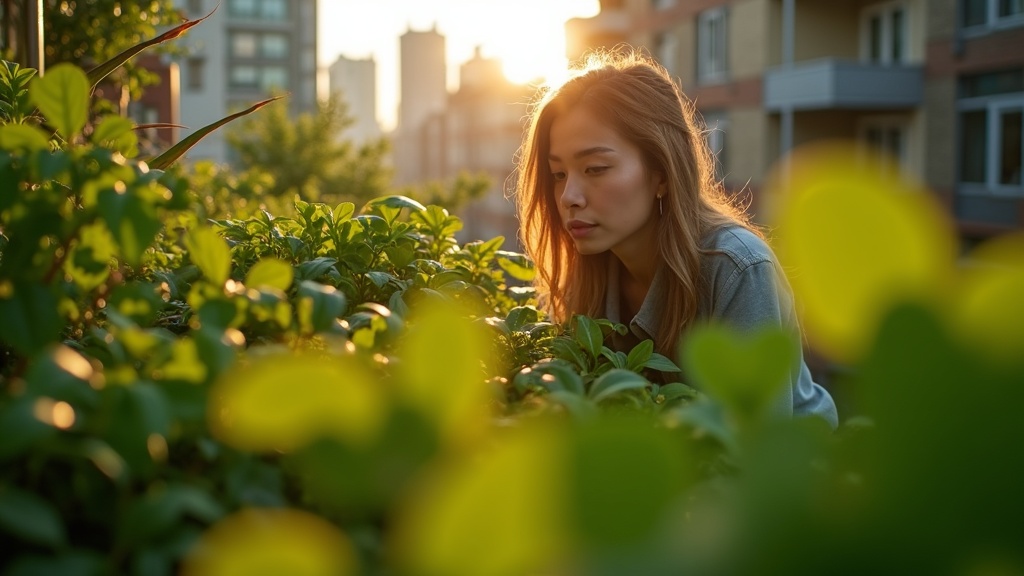
There’s something awkward about sipping your morning coffee on a balcony while making eye contact with a stranger doing the same thing three meters away. City balconies often feel exposed, like you’re on stage whether you want to be or not.
But here’s the problem most people run into when they try to fix it. You throw up a solid screen or plant a wall of bamboo, and suddenly your balcony feels like a dark corridor. You traded one issue for another.
The good news is you don’t have to choose between privacy and light. You can create a space that feels sheltered without turning it into a cave. And if you’re renting, you can do it without drilling holes, building structures, or losing your deposit.
The trick is thinking about privacy as layers rather than walls. A few well-placed plants here, a simple screen there, and suddenly you’ve got visual breathing room without blocking the sun or the breeze. It’s not about hiding completely. It’s about creating just enough separation that you can relax without feeling watched.
This approach works especially well in apartments because it’s flexible. You can adjust things as the seasons change or as your plants grow. You can take everything with you when you move. And you can start small, adding pieces over time instead of committing to one big installation that might not work.
Figure out where the privacy problem actually is
Before you buy a single plant or put up any screening, spend ten minutes actually using your balcony the way you normally would. Sit in your usual chair with your morning coffee. Stand where you’d water plants or hang laundry. Walk out through the door like you’re stepping outside for fresh air.
Now look around and notice where you feel exposed. Can the neighbor two balconies over see you clearly when you’re sitting down? Does someone at street level have a direct view when you’re standing by the railing? Is there a window across the way that lines up perfectly with your favorite lounging spot?
The key is to identify the specific angles that bother you, not just assume you need to wall off everything. Most people discover they only feel watched from one or two directions. Maybe it’s just the balcony directly to your left, or only when you’re seated at a certain height.
This matters because targeted screening keeps your space feeling open and bright. If you only need coverage on one side, you can leave the other sides clear for sunlight and air flow. A screen that blocks sightlines from a neighbor’s window doesn’t need to wrap around your entire balcony.
Try this at different times of day too. That building across the street might have glare on the windows in the morning, making it impossible for anyone to see out. But in the evening, with lights on inside, you might suddenly feel like you’re on display. The goal is to solve the actual problem, not the imagined one, so you don’t end up living in a cave of your own making.
Pick the kind of privacy you want: soft, leafy, or more solid
Before you choose plants or build anything, think about what privacy actually means to you. Not everyone needs a fortress. Some people just want to blur the view enough that neighbors can’t watch them drink their morning coffee in pajamas.
Filtered privacy is the lightest option. Think of it like frosted glass for your balcony. You can see movement and shapes through the greenery, but no one can make out details or stare directly at you. Tall grasses, bamboo, or vining plants on an open trellis create this effect naturally. Light still pours through, and the space feels airy.
Mostly blocked views give you more coverage. This is when you want to read a book or eat lunch without anyone catching your eye. You might use denser shrubs, layered planters at different heights, or a trellis fully covered in climbing plants. You’ll lose a bit more light, but you gain real seclusion. It still feels like a garden, not a wall.
Flexible privacy is the smartest choice if your balcony does double duty. Maybe you want openness during the day but coverage in the evening when lights are on inside. Outdoor curtains, roll-up bamboo screens, or movable planters on wheels let you adjust based on the time of day or your mood. You’re not locked into one look.
Each approach works for balcony garden privacy. The trick is matching it to how you actually use your space. If you’re out there mostly at dawn with coffee, filtered privacy might be plenty. If you work from home on your balcony, you might need something more solid.
Use screening plants that create cover without taking over
The best privacy plants for balconies grow up instead of out, have a naturally bushy shape, and don’t throw a tantrum when their roots are stuck in pots. You want plants that fill space without demanding constant pruning or hogging all the floor room you actually need for sitting.
Tall ornamental grasses work beautifully because they shoot upward and sway gently instead of creating a solid wall. They’re perfect if you want privacy that still lets light filter through. Think of grasses like a gauzy curtain rather than blackout blinds.
If you have a sunny balcony, compact evergreen shrubs can give you year-round coverage. Look for varieties bred specifically for containers, since they won’t outgrow their pots in a single season. On shady balconies, ferns and shade-tolerant foliage plants can create lush screening without needing direct sun.
Climbing vines on a simple trellis or frame give you vertical privacy fast, especially if you pick vigorous growers. Just make sure your support is sturdy enough and secured safely. Vines can cover a lot of visual territory without eating up precious floor space.
Bamboo gets mentioned a lot for screening, but stick with clumping varieties in containers. The running types can become a nightmare even in pots. Clumping bamboo stays put and grows tall enough to block sightlines from neighboring balconies.
Windy balconies need plants with flexible stems that won’t snap in gusts. Grasses and bamboo handle wind well. Sheltered spaces can support broader-leafed plants that might shred or brown in constant wind.
Mixing different heights usually looks more natural than lining up identical plants like soldiers. Taller plants at the back or sides, medium ones in between, and shorter bushy ones at the front create layered coverage that fills gaps better and catches light at different angles.
Add rental-safe supports for climbing plants and quick privacy
The beauty of vertical privacy solutions is that most don’t need a single screw or drill bit. Freestanding trellises are your best friend here. They stand on their own weight, lean against a wall or railing, and can be moved whenever you want. Look for models with wide, stable bases or ones that come attached to planter boxes. The planter adds weight at the bottom, keeping everything secure without damaging anything.
Planter boxes with built-in screens or lattice panels do double duty. They give your climbing plants a home and create an instant visual barrier. Some designs have tall back panels that reach five or six feet high. You get privacy from day one, even while your jasmine or morning glories are still getting established.
Tension poles work like shower curtain rods but for your balcony. They wedge between floor and ceiling using spring tension, no hardware required. Hang lightweight fabric panels, bamboo screens, or even strings for vining plants to climb. Just make sure your balcony has a solid ceiling overhead and check that the poles won’t leave marks on painted surfaces.
If your building allows it, you can also attach lightweight lattice panels to your existing railing using zip ties or adjustable clamps. This adds zero weight to the structure and comes off in minutes when you move out. The gaps in lattice let light and air flow through while breaking up sightlines from neighboring balconies.
Outdoor shade cloth offers another flexible option. Drape it over a freestanding frame or clip it to existing structures with removable hooks. It filters light rather than blocking it completely, and you can roll it up or take it down when you want more sun exposure.
Keep enough sunlight for plants and for you
The biggest mistake people make with balcony garden privacy is blocking all the light. You end up with a dark cave that feels closed off, and your plants struggle or die. The trick is to think about where the privacy actually needs to be, not just wrapping your whole balcony in screens.
Start by figuring out where people can actually see you from. Usually it’s from one side, or from a building across the way, not from every direction at once. Put your taller screens or climbing plants in those specific spots. Leave the areas where nobody’s looking more open so light can still pour in.
The materials you choose make a huge difference. A solid wood panel blocks everything. A bamboo screen with gaps between the slats blocks the view but lets plenty of light through. Light-colored fabrics reflect brightness instead of absorbing it. Even white or cream privacy curtains can give you coverage without making the space feel dim.
Think about layering your privacy instead of building a wall. You might use a tall trellis with vines on one side where the sightline is worst, then fill in other areas with medium-height plants that break up the view without blocking your sky. From inside your balcony, you’ll still feel open and airy. From outside, the overlapping layers make it hard to see in clearly.
Don’t forget that you need light for yourself too, not just your plants. A gloomy balcony is one you won’t want to use. Space your screening plants far enough apart that sunshine can slip between them. Use airy, see-through materials where you can. The goal is to feel private without feeling trapped.
Arrange containers to build a privacy wall that still feels like a garden
The trick is to think of your balcony edge like a hedge, not a furniture showroom. Line your tallest planters along the side that faces neighbors or the street. This creates your first layer of coverage exactly where you need it most.
Don’t put everything in a straight row at the same height. Stagger your containers so some are taller, some shorter, and they overlap slightly when viewed from the outside. This mimics how plants grow naturally and fills in gaps without making your balcony feel like a barricade.
Use your corners as anchor points. These spots can handle your biggest, bushiest plants because they don’t block your walking path or the view from inside. A tall ornamental grass or a dense shrub in each corner gives you instant screening power and makes the whole arrangement feel intentional.
Keep at least two feet of clear floor space as a pathway if your balcony is deep enough. You need room to walk, water plants, and sweep without doing gymnastics around your pots. If your balcony is narrow, push everything to the outer edge and leave the inner zone completely open.
Don’t block your door swing or any drainage holes in the balcony floor. Water needs somewhere to go, and you need to be able to reach those spots when leaves pile up.
When floor space runs out, go vertical with plant stands or tiered shelving units. A three-tier metal shelf takes up the same footprint as one pot but gives you triple the planting area. Stack smaller trailing plants on top and let them cascade down to soften the look and add more green coverage at eye level.
Plan for wind, weight, and watering so it stays low-stress
Wind is the hidden troublemaker on most balconies. A tall bamboo screen or a fabric panel that looks great in the store can turn into a sail once it’s eight stories up. If your privacy elements aren’t anchored properly, a strong gust can send them tumbling over or even off the edge.
The simplest fix is to use heavier pots for tall plants. A lightweight plastic container might work for a small herb, but anything over waist height needs real weight at the base to stay put. Grouping several planters together also helps them brace each other. If you’re using fabric screens or trellises, tuck them into a sheltered corner or attach them securely to railings so they can’t catch the wind.
But don’t go overboard with weight. Most balconies have load limits, and while you probably won’t hit them with a few plants, it’s worth keeping in mind if you’re adding multiple large planters filled with soil. Lightweight potting mix is your friend here. It weighs much less than garden soil and drains better too. You can also choose resin or fiberglass pots instead of ceramic or concrete if you’re worried about the total load.
Watering becomes more important once you have a dense privacy screen. More leaves means plants dry out faster, especially in windy spots. Check the soil every few days rather than sticking to a rigid schedule. Always use pots with drainage holes and set them on trays to catch runoff. Your downstairs neighbors will thank you, and your plants will be healthier for it. Grouping plants together also makes watering easier since you’re not running back and forth across the balcony with a watering can.
Stay on the right side of building rules and neighbor expectations
Before you buy a single plant or install any screening, take twenty minutes to figure out what your building actually allows. Most apartments and condos have rules about what you can attach to railings, how tall things can be, and what your balcony can look like from the street. These aren’t just suggestions. Violating them can mean fines, forced removal, or losing part of your security deposit.
Start with your lease or condo documents. Look for sections about balconies, patios, or exterior modifications. Some buildings ban anything that changes the uniform appearance from outside. Others just ask that you avoid certain colors or keep everything below railing height.
If the lease doesn’t spell it out clearly, send a quick email to your property manager or building office. Ask specifically about attaching planters or trellises to railings, using freestanding screens or privacy panels, and any height restrictions. Most managers would rather answer a question upfront than deal with a problem later.
Water runoff is a big one that people forget. If your watering routine sends streams onto the balcony below, you’re creating a genuine problem for your neighbor. Use trays under pots and avoid overwatering. Choose containers with good drainage control.
Think about your neighbors on either side too. Fabrics and lightweight screens need to be properly secured so they don’t flap loudly in the wind or come loose during storms. Skip plants that drop a lot of leaves, seeds, or sticky residue if they’ll land on someone else’s space. A little consideration now prevents awkward conversations and helps your privacy setup last without complaints.