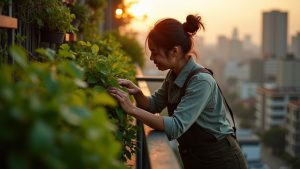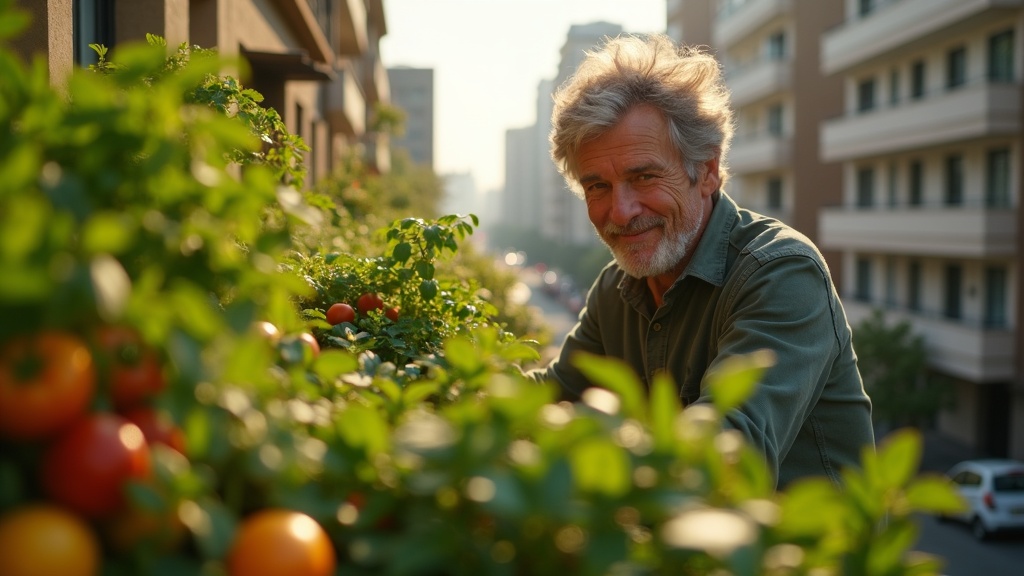
Most people think balcony gardens are about cute pots and trailing flowers. But if you want actual food from your small space, you need to think differently. The goal isn’t to make something pretty for Instagram. It’s to turn a few square meters into a reliable source of fresh vegetables and herbs.
The good news is that productive balcony garden design isn’t complicated. You don’t need expensive equipment or a green thumb. What matters is putting the right plants in the right spots, choosing containers that actually work, and setting up a layout that makes daily care easy instead of awkward.
Small tweaks make a surprising difference. Moving a tomato plant thirty centimeters closer to the railing might double your harvest. Swapping out a decorative pot for a deeper one can turn a struggling pepper plant into a heavy producer. Arranging your containers so you can reach everything without stepping over things means you’ll actually water and check for pests instead of avoiding the back corner.
This isn’t about perfection. It’s about being practical. A balcony garden that produces food week after week is one that’s designed around how plants grow and how you actually use the space. When you focus on function first, you end up with more tomatoes, more herbs, and fewer dead plants in pots you can’t quite reach.
Start with the balcony you actually have
Before you buy a single pot or packet of seeds, spend half an hour just observing your balcony. Grab a tape measure and note how much floor space you actually have once you account for the door swinging open, the path you need to walk through, and any spot where you like to sit with your morning coffee. A balcony garden that blocks your only route inside gets annoying fast.
Check your railing width too. Some railings can hold long planters securely, while others are too narrow or angled. If yours has wide flat tops or sturdy vertical bars, you’ve got extra growing space that doesn’t eat into your floor area.
Sun exposure matters more than almost anything else when you’re growing food. Spend a full day checking which parts of your balcony get direct sunlight and for how long. Morning sun is gentler, afternoon sun is intense. Most vegetables need at least six hours of direct light to produce well. If your balcony is shaded by a building or tree for part of the day, note exactly where and when.
Pay attention to wind too. Upper floors get hit harder, and constant gusts dry out soil fast and can snap plant stems. Corners and edges tend to be windier than spots tucked behind a wall.
Finally, think about weight in practical terms. Balconies aren’t unlimited. Use smaller containers when you can, and spread heavier pots around instead of clustering them all in one spot. Wet soil is much heavier than dry, so factor that in. You don’t need engineering formulas, just common sense about not overloading one area.
Put your best light to work first
Light is what turns flowers into tomatoes and buds into peppers. Without enough of it, your plants will grow leaves just fine, but they won’t give you much food. That makes sunlight your most valuable resource, and you need to treat it that way when planning your balcony garden design.
Start by watching your balcony for a full day. Notice where the sun hits hardest and stays longest. That prime real estate is where your fruiting plants need to live. Tomatoes, peppers, cucumbers, beans, anything that makes something you pick belongs in those bright spots. They’re the hungry ones, and they’ll reward your best light with actual harvests.
Keep your tall plants toward the back or sides so they don’t throw shade on everything else. A single large tomato plant can block sun from half a dozen smaller pots if you’re not careful. Think about shadows before you arrange things, not after your lettuce starts looking pale and stretched.
If your balcony only gets strong sun on one side, rotate your containers every few days so each plant gets a turn. It’s a small habit that prevents lopsided growth and keeps production more even.
When light is limited, adjust your expectations and your crops. Lettuce, spinach, herbs, and other leafy greens will tolerate less sun and still give you something to harvest. You can also help things along by using light-colored pots and placing white or reflective surfaces nearby to bounce more light around. Just don’t crowd your containers together trying to fit more in. Plants competing for weak light produce even less than plants spaced properly in shade.
Design the layout around easy daily care
The best balcony garden design keeps your neediest plants right where you’ll see them every day. Put your tomatoes, lettuce, and herbs within arm’s reach of your door. These are the plants that need daily attention, so make them impossible to ignore.
Create a clear path through your space before you add containers. You need room to move without turning sideways or stepping over pots. Leave enough space on either side of plants so you can get your hands in to water, prune, and pick. If you’re constantly doing an awkward reach-around, you’ll skip tasks without meaning to.
Group thirsty plants together in one zone. This seems obvious, but it transforms watering from a scavenger hunt into a quick routine. Your peppers, cucumbers, and basil can share the same corner, and you won’t forget anyone hiding behind a bigger pot.
Keep your watering can and scissors in the same spot every time, somewhere you can grab them without thinking. A hook near the door or a specific corner works well. When tools live in one place, you actually use them.
If you’re growing climbing plants on trellises, position them where you can reach the whole structure without leaning over your balcony railing. You’ll need to tie new growth every few days and harvest beans or peas regularly. A trellis shoved against the back wall becomes a chore to maintain, and those plants will suffer for it.
The goal is simple: make the right thing the easy thing. When watering and harvesting feel effortless, you’ll do them consistently. That consistency is what turns a balcony garden design into actual food on your plate.
Choose containers that support roots and reduce work
Container size makes a huge difference in how often you water and how well your plants produce. Small pots dry out fast, sometimes needing water twice a day in summer heat. Larger containers hold more soil, which acts like a buffer against temperature swings and stays moist longer. Think of it like a thermal mug versus a shot glass—the bigger one keeps its temperature stable while the small one changes quickly.
For productive plants like tomatoes, peppers, and eggplants, go deep. A container at least twelve inches deep and wide gives roots room to spread and holds enough soil to keep plants fed and watered. Shallow, wide planters work beautifully for lettuce, spinach, and herbs that don’t need as much root depth. You can pack more greens into a rectangular planter than into round pots taking up the same floor space.
Climbers like beans, peas, and cucumbers need vertical support but don’t demand huge containers. Pair a medium-depth pot with a trellis or stake, and you gain height without losing balcony floor space. This is where corners and railings become valuable real estate in your layout.
Self-watering containers or ones with built-in reservoirs cut down on daily chores. They hold extra water at the bottom that plants can draw up as needed. You’ll still need to refill them, but much less often than standard pots. If you travel or have unpredictable schedules, these can save a harvest.
Mix container shapes to fit your space efficiently. Rectangular planters line up neatly along railings. Round pots tuck into corners. Just remember to use saucers or drip trays underneath to catch runoff, especially if neighbors live below you. Arrange taller containers toward the back or sides so they don’t shade shorter ones.
Pick plants that earn their space
On a balcony, every pot counts. You want plants that give you something to harvest more than once, not crops that take months to mature and then give you a single meal. Think about what pays rent in a small space.
Leafy greens are balcony superstars. Cut a few leaves from lettuce, spinach, or kale, and the plant keeps growing. You get salad for weeks from the same container. Herbs work the same way if you actually cook with them. A basil plant you snip from regularly beats a decorative shrub that just sits there looking green.
If you have decent sun, compact fruiting plants earn their keep. Cherry tomatoes produce heavily in pots and keep giving you handfuls of fruit all season. Peppers stay manageable and productive. One healthy plant can supply your stir-fries for months.
Climbers are your secret weapon for small spaces. Cucumbers, pole beans, and peas grow upward on a trellis instead of sprawling sideways. You get a solid harvest without sacrificing floor space. Just make sure you have something sturdy for them to climb.
Match your plants to your schedule too. Tomatoes and peppers need regular attention and feeding. Herbs and hardy greens forgive you if you forget to water for a day. If you travel often or work long hours, lean toward the lower-maintenance crops that still produce well.
The goal is simple: grow things you’ll actually eat, in quantities that matter. A balcony full of thriving food plants beats a balcony full of pretty ornamentals you can’t cook with.
Arrange plants to avoid shade, crowding, and wasted corners
The biggest mistake most balcony gardeners make is putting plants wherever they fit, then wondering why half of them struggle. The trick is thinking about height and light before you place a single pot.
Put your tallest plants at the back of your balcony or on whichever side gets the least sun. Tomatoes, beans on stakes, and anything over two feet tall belongs there. This keeps them from casting shadows on everything else. Your shorter plants like lettuce, herbs, and spinach go in front where they can still catch direct light without being blocked.
Climbers like cucumbers and pole beans need a trellis or vertical support, and these work best along the edge or back wall. They grow up instead of out, saving floor space while producing plenty of food. Just make sure the trellis is firmly wedged or weighted down, not relying on anything that needs drilling.
Leave a few inches between containers. Plants need air moving around them to stay healthy and avoid mildew. You also need to reach in to water, harvest, and check for problems. Remember that seedlings are deceptive. That tiny basil plant will bush out to fill a foot of space, and those pepper seedlings will double in width. Plan for their adult size, not what you see at planting time.
Corners are prime real estate. A small corner shelf can hold herbs or greens that would otherwise go unplanted. Railing planters work well if your railing is sturdy and flat, but test the weight first and make sure they hook on securely. Never block your balcony drain with pots. Water needs somewhere to go, and a flooded balcony means root rot and angry neighbors below.
Make watering predictable and mess-free
Most balcony gardens don’t fail because of pests or bad soil. They fail because watering gets messy, inconsistent, or just forgotten. The good news is that a little planning makes watering almost automatic, even if you’re juggling a busy schedule.
Start by grouping plants with similar thirst levels together. Put your tomatoes and peppers near each other since they drink heavily. Tuck herbs like rosemary and thyme in another spot where they can stay drier. This way you’re not overwatering some plants while others wilt, and you can water each zone based on what it actually needs.
Bigger containers are your secret weapon for thirsty vegetables. A five-gallon pot holds moisture far longer than a small one, which means you’re not racing out to water twice a day in summer. Add a layer of mulch on top of the soil—wood chips, straw, or even shredded leaves work fine—and you’ll cut water loss by half.
Every container needs drainage holes, and every drainage hole needs a drip tray underneath. This keeps your balcony floor clean and your downstairs neighbors happy. Empty those trays after heavy rain or watering so roots aren’t sitting in standing water, which leads to rot faster than anything else.
If you want to reduce the workload even more, self-watering containers have a built-in reservoir that feeds roots gradually. A simple drip line on a timer is another option that takes ten minutes to set up and can cover your whole balcony. Neither is required, but both make it easier to keep plants consistently happy without thinking about it every single day.
Use a simple soil and feeding plan that keeps plants producing
Container plants burn through nutrients much faster than garden beds. Water drains out the bottom, taking dissolved nutrients with it. The limited soil volume gets depleted quickly when a tomato or pepper plant is working hard to produce fruit.
Start with decent quality potting mix. Not garden soil, which compacts badly in pots. Look for something labeled for containers or vegetables. It doesn’t need to be the most expensive bag on the shelf, just avoid the cheapest bargain mix that’s mostly wood chips.
Every few months, top up your containers with a layer of compost or stir in a handful of slow-release organic fertilizer. Think of it as refreshing the pantry. The plants will gradually pull what they need without you having to measure anything precisely.
When your plants are flowering and fruiting heavily, they might need a boost. That’s when a basic liquid fertilizer helps. Dilute it according to the package and water it in every week or two during peak production. You’re just keeping the tank topped up during the busy season.
The real skill is watching your plants. Slow growth and pale, yellowish leaves usually mean they’re hungry. Dark green leaves and lots of leafy growth but no fruit might mean they’re overfed with nitrogen. Adjust gently based on what you see, not what a chart tells you.
You don’t need to test pH or chase the perfect nutrient ratio. Container feeding is more like cooking by taste than following a recipe. Pay attention, make small changes, and your plants will tell you what’s working.
Plan for quick turnovers so the balcony stays productive
The best balcony gardens don’t sit still. Instead of planting once and waiting, treat your space like a rotation. When one crop finishes, something else is ready to take its place.
Start with succession planting for things like lettuce, spinach, and arugula. Instead of sowing all your greens at once, plant a new small batch every two weeks. That way, you’re never stuck with thirty heads of lettuce on the same day or nothing at all a month later. You just keep harvesting a little bit, all the time.
When a plant stops producing or bolts in the heat, pull it out and swap in something fast-growing. A spent lettuce pot can become a home for radishes or bush beans. A tired basil plant can make room for a quick round of cilantro. Keep a small backup pot or two on the side with seedlings or herbs ready to move into the main lineup. It’s like having players on the bench.
Think in seasons, but keep it simple. Cool-season crops like peas and kale do well when it’s mild. Warm-season crops like tomatoes and peppers need heat. As the sun angle shifts through the year, you might need to shuffle pots around. What was shady in summer might get more light in spring.
Here’s a basic example: plant lettuce in early spring, then switch to basil and cherry tomatoes as it warms up. When those slow down in late summer, move back to greens or plant quick-growing radishes. You’re not following a strict calendar. You’re just keeping the space working.