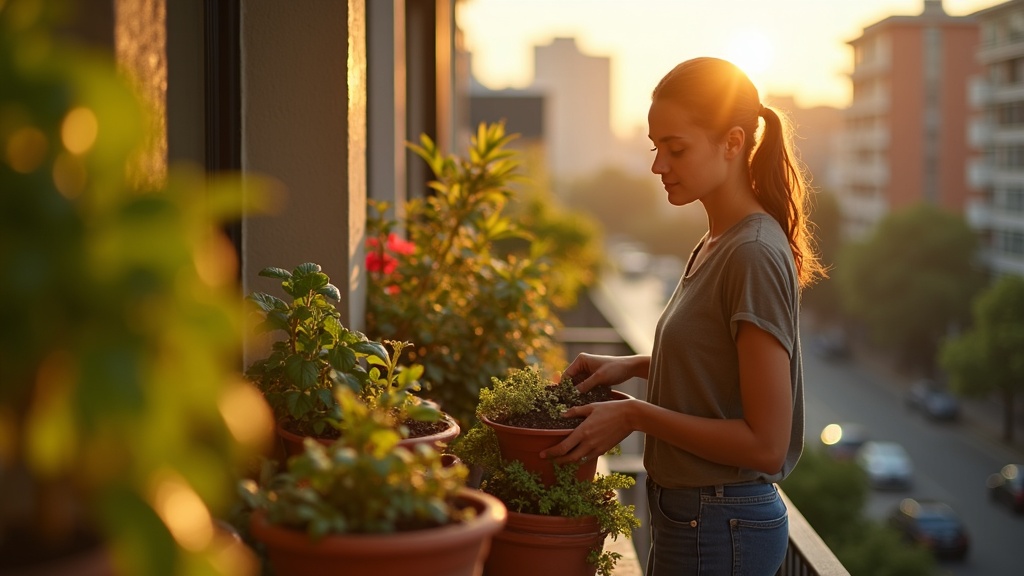
You finally decided to grow some tomatoes or herbs on your balcony. You head to the garden center, excited and ready. Then you stand in the soil aisle staring at twenty different bags, all claiming to be perfect for your plants.
Some say potting soil. Others say potting mix. There’s something called garden soil, and wait, what’s perlite? One bag has fertilizer already mixed in. Another proudly announces it has none. The prices are all over the place, and you’re not sure if the cheap one will kill your plants or the expensive one is just marketing hype.
Here’s the thing that most beginners don’t realize until it’s too late: regular dirt from the ground, or even the wrong bagged soil, can turn container gardening into a frustrating mess. Your plants might look sad and stunted even though you’re watering them perfectly. The soil gets rock-hard or stays soggy. Nothing seems to thrive.
The good news? Once you understand what makes potting soil actually work in a container, those confusing bags start making sense. You don’t need a degree in horticulture. You just need to know a few simple things about how soil behaves when it’s trapped in a pot instead of spread across a garden bed.
This guide will walk you through exactly what to look for, what to skip, and why it matters for growing actual food in your apartment. No complicated science, just practical advice that helps you pick the right bag and get on with the fun part of growing your own vegetables.
How to read the bag and avoid the most common wrong purchases
Walking into a garden center can feel like navigating a foreign language class. Bags of brown stuff everywhere, all claiming to be perfect for plants, but using completely different names. Here’s what those labels actually mean for your apartment containers.
Potting mix and potting soil sound identical, but they’re not always the same thing. Potting mix is usually the lighter option, often made with peat moss or coconut fiber, perlite, and sometimes compost. It’s designed to stay fluffy in containers so roots can breathe. Potting soil can be similar, but some brands add actual soil or sand, making it heavier. For containers on a balcony or windowsill, lighter is usually better.
Garden soil and topsoil are meant for the ground, not pots. They’re dense and heavy because they expect earthworms and natural drainage to keep them loose. In a container, they compact into a brick-like mass that stays wet at the bottom and crusty on top. Your plants will struggle, and you’ll probably see fungus gnats circling your kitchen. Raised bed mix falls somewhere in between, it’s lighter than garden soil but still too heavy for most pots, especially smaller ones.
Moisture control or water-retaining blends sound helpful, but they can backfire indoors. They’re designed to hold extra water, which sounds great until your basil is sitting in soggy soil for days. In apartments with less airflow and light than outdoor gardens, these mixes often stay too wet and invite root problems.
The safest wording to look for? Anything that says “for containers” or “for pots” right on the front. Those products are formulated to drain well while still holding enough moisture. If the bag feels surprisingly light when you lift it, that’s usually a good sign.
Compost is helpful, but it is not a complete potting mix
It’s easy to assume that compost is the gold standard for growing anything. After all, it’s packed with nutrients and gardeners talk about it like magic. But here’s the thing: filling your containers with straight compost, or even mostly compost, usually backfires.
Compost is amazing at what it does. It adds organic matter that feeds your plants over time. It improves soil structure and helps retain some moisture. Think of it as a vitamin boost for your potting mix.
But compost alone has a serious problem in containers. It’s heavy. Really heavy. When you water a pot filled with compost, it tends to pack down and stay soggy. That means less air reaches the roots, and roots need oxygen just as much as they need water. Without enough air pockets, roots struggle, growth slows, and plants can even rot.
You might also notice uneven drying. The top layer crusts over while the bottom stays wet for days. This creates a confusing situation where you’re not sure if you should water or wait. Your tomato plant certainly won’t thrive in that kind of confusion.
The better way to think about compost is as an ingredient, not the whole recipe. It plays a supporting role. You want it mixed with lighter materials that keep the mix fluffy and ensure water drains properly while still holding enough moisture. Compost brings the nutrition and richness, but it needs teammates to create the airy, balanced environment that container vegetables actually need.
So yes, compost is helpful. Just don’t let it steal the whole show.
Match the mix to what you are growing and where the pot sits
There’s no single best potting soil for apartment vegetables because your balcony or windowsill creates its own little climate. A sunny balcony with afternoon wind dries out soil fast. An indoor windowsill stays moist longer because there’s less airflow and no rain to flush things through. Your soil needs to work with these conditions, not against them.
If you’re growing on a windy balcony, you want a mix that holds moisture without getting soggy. Look for something with coco coir or peat plus a decent amount of compost. These ingredients act like little sponges. For a calm indoor spot, you actually want faster drainage so roots don’t sit in dampness. A lighter mix with more perlite or bark works better here.
Container size changes everything too. A deep five-gallon bucket gives plant roots room to explore and holds moisture more evenly. You can get away with a standard all-purpose mix. But a shallow six-inch pot on a hot balcony? That soil heats up fast and dries out between waterings. You need extra water-holding power or you’ll be watering twice a day in summer.
What you’re actually growing matters just as much. Leafy greens like lettuce and herbs such as basil don’t need much depth and grow fast. They do fine in lighter, fluffier mixes that dry out relatively quickly. Fruiting plants like tomatoes and peppers need steady moisture and feeding over months. They want a richer mix with more compost that holds together without compacting. Steady conditions mean steady growth, which is how you get actual harvests from small spaces instead of plants that stall out halfway through the season.
What to do when your potting soil is old, tired, or disappointing
You don’t need to toss out every bag of potting soil that didn’t quite work or every pot from last year. Container soil changes over time, and refreshing it is completely normal when you’re growing food in the city.
The easiest way to tell your potting mix needs help is to watch how it behaves. Does water pool on top instead of soaking in? That’s crusting. Does the soil pull away from the sides of the pot and leave gaps? That’s shrinkage. Does it stay wet and heavy for days, or dry out in weird patches? Those are signs the structure has broken down.
You’ll also notice it in your plants. Slow growth, pale leaves, or roots that seem cramped even though there’s plenty of space can all point to tired soil that’s lost its fluff and nutrition.
The good news is you rarely need to start from scratch. If the soil just feels dense, try loosening it with your hands or a small trowel to let air back in. You can top up pots with a few inches of fresh potting mix at the beginning of the season without removing the old stuff.
Adding a modest amount of compost works too. Mix in about one part compost to three or four parts old soil. That brings back some life without overwhelming your plants or your budget.
If the mix is really disappointing, replace about half of it. Dump out the pot, keep half the old soil, and blend it with new mix. This stretches your supplies and gives plants a better foundation without the waste of throwing everything away.
Urban food growing means working with what you have. A little refresh goes a long way.





