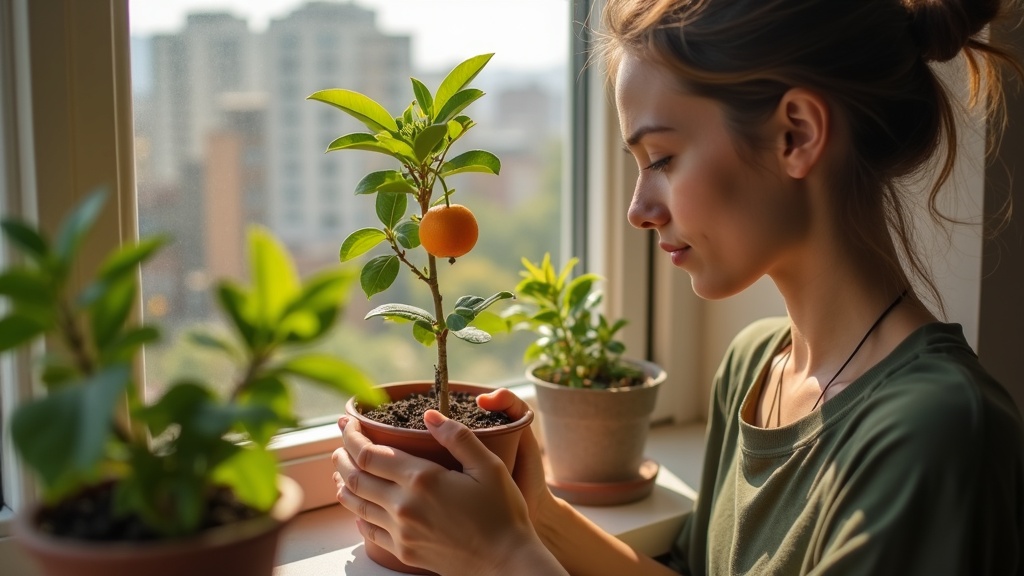
If you live in an apartment or have a tiny balcony, you’ve probably wondered whether you can actually grow real fruit at home. Not just a single sad strawberry, but enough to feel like it was worth the effort. The good news is that yes, you absolutely can grow fruit in containers. The even better news is that you don’t need a green thumb or a degree in horticulture to make it happen.
Here’s what you do need to be honest about from the start: growing fruit in pots is different from growing it in the ground. You won’t get grocery-store quantities. Your lemon tree won’t look like the ones in California orchards. And if your apartment gets dim light or only a few hours of sun, some fruits simply won’t work no matter how carefully you follow the instructions.
But when you choose the right plants for your actual space and accept that container fruit growing is more like a rewarding hobby than a way to replace your produce budget, it becomes genuinely satisfying. A handful of fresh strawberries in July. A few figs that taste better than anything you’ve ever bought. Maybe a dozen cherry tomatoes that your kids actually helped grow.
This guide will help you figure out which fruits are realistic for your situation, what they actually need to thrive, and how to avoid the most common mistakes that leave people disappointed. No overpromising, no glossy photos hiding the real work. Just practical advice that respects your time, your space, and your hope for something delicious.
Fruits that actually produce well in small pots
Strawberries are the most forgiving choice for beginners. They have shallow roots, so a pot that’s eight to ten inches deep works fine. You can even grow them in hanging baskets. They need about six hours of direct sun daily, which you can get from a bright window or small balcony. Expect real fruit within a few months, and the plants keep producing for several years if you care for them properly.
Dwarf citrus trees like Meyer lemons or Calamondin oranges can thrive indoors if you have a very sunny spot. We’re talking at least six to eight hours of bright, direct light. A pot around twelve to fifteen inches wide gives the roots enough room. These trees won’t produce dozens of fruits at once like an orchard tree, but getting three to six fragrant fruits per year indoors is realistic and rewarding.
Figs are surprisingly tough and productive in containers. Varieties like Petite Negra or Chicago Hardy stay compact and tolerate some neglect. A fourteen to eighteen inch pot works well. They need good light but can handle a bit less sun than citrus. Outdoors on a balcony, you might get twenty or more figs in a season. Indoors, expect fewer but still enough to feel worthwhile.
Blueberries adapt well to container life, but they’re fussy about soil. They need acidic potting mix, which you can buy premade or create yourself. Use a pot at least twelve inches wide. Two plants help with pollination and boost your harvest. They need full sun outdoors but can tolerate bright indirect light indoors, though fruiting will be lighter. Expect a few handfuls of berries per plant in a good year.
Plants that are often sold for patios but rarely fruit indoors
Walk into any garden center in spring and you’ll see adorable miniature peach trees, cherry trees, and apple trees labeled as dwarf varieties. They look perfect for a balcony or sunny window. The price tags are reasonable. The photos on the labels show gorgeous fruit.
Here’s the hard truth: most of these plants will never fruit indoors, no matter how carefully you tend them.
The word “dwarf” is misleading. It doesn’t mean tiny houseplant. It means smaller than a full-sized orchard tree. A dwarf peach might grow to six feet instead of fifteen. That’s still a big commitment for an apartment, and size isn’t even the main problem.
Stone fruits like peaches, plums, and cherries need truly intense sunlight. We’re talking eight to ten hours of direct, unfiltered outdoor sun. A south-facing window rarely delivers that intensity indoors. These trees also need a proper winter, often called chill hours. That means weeks of cold temperatures to trigger their fruiting cycle. Your heated apartment won’t provide it.
Apples present a different headache. Most varieties need a partner, a second apple tree of a different variety nearby to cross-pollinate. Without it, you might get flowers but no fruit. Some are labeled self-fertile, but even those perform poorly without strong outdoor conditions.
Before you buy any fruiting plant, check the label or ask these questions: Does it need full sun all day? Does it need winter cold? Does it need a pollination partner? If the answer to any of these is yes, it’s probably not going to work indoors. Save your money and your hope for something more reliable.
Choosing a pot and soil that make fruiting more likely
The pot you choose affects whether your plant can actually produce fruit. A container that’s too small dries out fast, which stresses the plant and causes it to drop flowers or tiny fruit before they mature. As a general rule, aim for a pot that’s at least 15 inches wide for dwarf fruit trees and 10 to 12 inches for smaller plants like strawberries or herbs.
Drainage holes are non-negotiable. Without them, water sits at the bottom and drowns the roots. Rotting roots can’t support flowers or fruit. If you love a pot without holes, use it as a decorative outer shell and keep the plant in a plain plastic pot inside.
Never use garden soil in containers. It’s too heavy and compacts down, squeezing out the air roots need to stay healthy. Instead, buy a quality potting mix made for containers. It’s lighter and fluffier, which helps roots grow and water drain properly.
You can improve drainage even more by mixing in a handful of perlite or coarse sand. Some gardeners add a slow-release fertilizer right into the mix at planting time, which gives the plant steady nutrition without much fussing later.
Watch out for plants becoming root-bound. That’s when roots circle around and around because they’ve run out of space. You’ll see roots poking out of drainage holes or spiraling on the soil surface. A root-bound plant struggles to take up water and nutrients, which means fewer flowers and less fruit.
One more thing: some fruiting plants are picky about soil chemistry. Blueberries, for example, need acidic soil to thrive in containers. Regular potting mix won’t work. You’ll need a mix labeled for acid-loving plants, or they simply won’t fruit no matter what else you do right.
Light is the make-or-break factor in apartment fruit growing
Most apartment fruit failures come down to one thing: not enough light. You can get the watering perfect and buy the fanciest soil, but if your plant isn’t getting adequate sun, it simply won’t produce fruit. It might survive. It might even look green and healthy. But flowers and fruit take serious energy, and plants only get that energy from light.
Here’s what you need to know about windows. South-facing windows get the most direct sun throughout the day, which is what most fruiting plants actually want. East windows get gentler morning sun. West windows get hot afternoon sun. North windows get bright indirect light, which sounds nice but isn’t the same thing at all. Indirect light keeps your houseplants happy, but it won’t convince a lemon tree to make lemons.
When a plant isn’t getting enough light, it tells you. The stems get long and stretchy as it reaches toward the window. The leaves might stay green but grow farther apart. Most noticeably, it either won’t flower at all or drops tiny flower buds before they open.
If your windows aren’t sunny enough, you have options. Move your plants seasonally to follow the sun. A balcony or even a wide windowsill outside can transform your results, just make sure containers are secured and won’t blow over. Grow lights work surprisingly well for smaller plants like strawberries or herbs. They’re not magic, but a decent LED setup can bridge the gap.
Citrus and figs really need strong, direct light to fruit reliably. Strawberries and some dwarf blueberries can manage with less. Alpine strawberries especially are forgiving. Choose your plants based on the light you actually have, not the light you wish you had.
Watering and feeding without turning it into a science project
Container fruit plants are dramatic about water. They dry out faster than anything in the ground, but they also can’t escape if you overwater them. Most indoor fruit failures happen because someone watered on a schedule instead of checking what the plant actually needed.
Skip the calendar. Instead, stick your finger into the soil up to your second knuckle. If it feels dry down there, water until it runs out the drainage holes. If it still feels moist, wait another day. The top inch dries out fast and lies to you.
Indoor air is usually dry, and heated rooms in winter make it worse. Your plant will drink more when it’s warm and growing, less when it’s cooler or the days are short. A lemon tree in a sunny July window needs water every couple of days. The same tree in dim February might go a week.
Consistent watering matters more than you’d think. When a plant goes from bone dry to soaking wet and back again, it gets stressed and drops flowers. Steady moisture helps it actually set fruit instead of panicking.
For feeding, think light and regular during spring and summer when the plant is actively growing. A diluted liquid fertilizer every two weeks is plenty. When fall arrives and growth slows down, back off to once a month or stop altogether.
The biggest mistake is overfeeding. Too much fertilizer creates gorgeous green leaves and zero fruit. Your plant puts all its energy into foliage instead of flowers. If your tree looks lush but never blooms, you’re probably being too generous. Fruit plants need food, but they don’t need a feast.
How indoor pollination works when there are no bees
Here’s the problem: most fruit plants evolved to depend on wind, bees, or other insects to move pollen from flower to flower. Indoors, the air is still and there are no pollinators. Your plant might bloom beautifully, but without pollination, those flowers just drop off without forming fruit.
Some fruit plants are self-fertile, which means a single flower can pollinate itself or its neighbor on the same plant. Others need pollen from a different plant of the same type to produce fruit. For container growing, self-fertile varieties are your best friend because you don’t need to find space for a second plant.
Even self-fertile plants sometimes need a little help indoors. The easiest method is to gently shake the plant when it’s blooming. Do this once a day during flowering and you’ll move pollen around naturally. Another option is to use a small, soft paintbrush or cotton swab and lightly dab the inside of each flower. You’re basically playing bee.
If you can move your plant outside during bloom time, even onto a balcony or fire escape, real pollinators will often do the work for you. Just a few days outside during flowering can make a big difference.
Some fruits are naturally easier indoors. Citrus trees like Meyer lemons are self-fertile and their flowers are structured in a way that makes pollination simpler. Strawberries also do well because their flowers are accessible and self-fertile. Figs don’t even need pollination for many varieties. On the other hand, most apples need a partner plant to fruit well, which makes them trickier in small spaces.
Keeping plants small while still encouraging fruit
Here’s the tricky part that catches most beginners. You need to keep your plant from outgrowing its container, but you also need to avoid cutting off the branches that will actually produce fruit next season. These two goals can feel like opposites, but they don’t have to be.
The key is understanding where fruit forms on your specific plant. Some plants make fruit on new growth that appears during the current season. Others produce fruit on older wood from the previous year. If you prune at the wrong time or in the wrong spots, you might remove all those future fruiting branches without realizing it.
A good general rule is to prune lightly and often rather than heavily all at once. Think of it as gentle shaping instead of drastic cutting. Remove any thin, weak shoots that won’t produce much anyway. Trim back branches that are growing in awkward directions or crowding the center of the plant. This kind of pruning keeps the size manageable without sacrificing your harvest.
Timing matters too. Many fruiting plants do best when pruned right after they finish producing fruit for the season. That way you’re not accidentally removing next year’s crop. During the active growing season, you can do light maintenance trims to control wayward growth without causing problems.
Even dwarf fruit varieties need this kind of attention. The word “dwarf” is misleading because these plants will still grow larger than their containers allow if left completely alone. Regular light pruning is part of the deal when you grow fruit in small spaces. The good news is that once you get into a rhythm with your specific plants, it becomes second nature.
Seasonal care: what changes in winter and why it matters
Winter is when many container fruit plants disappoint their owners, and it usually comes down to a mismatch between what the plant needs and what the apartment provides. Most fruiting plants naturally slow down when daylight shrinks and temperatures drop. Their roots take up less water, and they stop pushing out new growth. But indoors, we often keep watering and feeding them like it’s still summer, which can lead to root rot or weak, spindly branches.
The key is to match your care to what the plant is actually doing. When growth slows, cut back on watering. Let the soil dry out more between drinks. Stop fertilizing or reduce it to once a month at most. Your lemon tree or fig isn’t being lazy, it’s just resting, and that’s normal.
Here’s where it gets tricky. Some fruit trees, like apples and peaches, actually need a cold winter rest to fruit well the next year. They’re waiting for a signal that winter happened so they know when to wake up and bloom. Indoors, with steady heat and light, they get confused and may never set fruit. Citrus and tropical fruits like bananas, on the other hand, can stay active year-round if you give them enough light.
If you’re growing something that needs winter chill, try placing it in the coolest room you have, ideally near a bright window and away from heating vents. A bedroom or enclosed porch that stays between 35 and 50 degrees is ideal. If you’re keeping tropical fruit indoors, consider adding a grow light to make up for the weak winter sun. Just don’t bake them next to a radiator and expect them to thrive.





