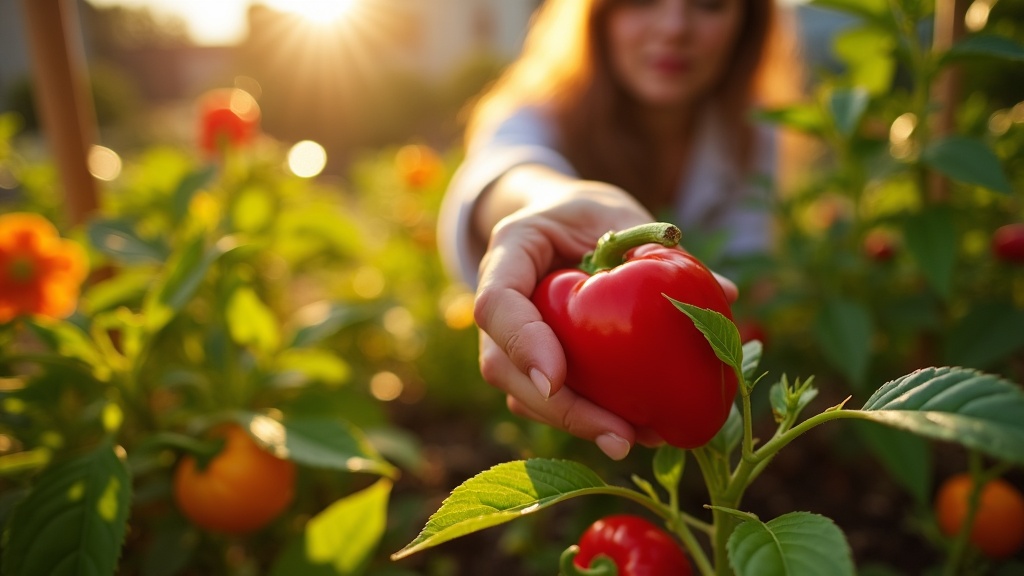
Growing peppers on your balcony is one of those small joys that makes apartment living feel a little more connected to the earth. You water them, watch them grow, see the first flowers appear, and then finally spot those little peppers forming. It’s exciting.
But then comes the tricky part. When exactly do you pick them?
Container-grown peppers can be sneaky. They might look ripe and ready when they’re actually still building flavor. Or you might wait too long, thinking they need more time, and end up with peppers that are past their prime. Unlike peppers growing in a garden bed with deep roots and plenty of soil, balcony peppers are working with limited space and resources. That can change how they ripen.
The good news is that peppers give you clear signals when they’re ready to harvest. You just need to know what to look for. Some signs are the same whether you’re growing in the ground or in a pot. But a few clues are especially helpful for container gardeners who might be dealing with smaller plants, uneven watering, or peppers that ripen at different speeds.
This guide will walk you through the simple, reliable signs that tell you when your balcony peppers are truly ready to pick. You’ll learn how to tell the difference between a pepper that looks done and one that tastes done. And you’ll feel confident reaching for those kitchen scissors at exactly the right moment.
Color is a clue, not a rule, in containers
Most peppers start green and then shift to their final color as they ripen. That might be red, yellow, orange, purple, or even chocolate brown depending on what you planted. This color change isn’t just cosmetic. As the pepper ripens, it gets sweeter and loses that sharp, grassy bite you taste in green peppers.
But here’s where container growing throws a little curveball. Your pepper might reach full size before it finishes changing color. It’ll look big and ready, but if it’s still mostly green when the variety is supposed to turn red, it’s not done yet. Give it more time on the plant.
Another quirk of balcony life is uneven coloring. If one side of your pepper gets more sun than the other, that side might turn red or yellow while the shaded side stays green. This doesn’t mean something’s wrong. It just means light hits unevenly when your plant sits in one spot. The pepper is still ripening, just not all at once.
Some peppers are genuinely meant to be picked green. Jalapeños and shishitos are common examples. But most sweet peppers and many hot varieties taste better when they reach their mature color. That’s when the flavor deepens and the texture softens slightly.
So don’t rush to pick just because a pepper looks plump. Check the seed packet or plant tag to see what color you’re aiming for, then wait for most of the pepper to get there. A little patience pays off in flavor.
Use feel and firmness to confirm ripeness
Color can trick you, especially on a balcony where peppers mature at different rates in shifting light. That’s when feel becomes your best friend. A ripe pepper should feel firm and crisp under gentle pressure, with a satisfying weight in your hand. It’s like picking up a fresh apple. There’s substance to it.
Give the pepper a soft squeeze between your thumb and fingers. You’re not trying to bruise it, just testing for resistance. A ready pepper will push back with a bit of spring, then hold its shape. The skin should feel taut and smooth, almost glossy.
An under-ripe pepper often feels stiff in a different way. It’s hard, but somehow hollow or light for its size. Think of the difference between a ripe tomato and a green one that’s still developing. The unripe pepper hasn’t filled out yet, so it lacks that dense, juicy feel.
On the flip side, an overripe pepper starts to lose its firmness. The skin may develop soft spots or tiny wrinkles, usually near the stem first. If you squeeze gently and it gives way too easily, or if the surface looks puckered, you’ve waited a bit too long. It’s still edible, but the texture won’t be as crisp.
The best peppers for harvest feel solid all over, with no mushiness and no hollow lightness. When you hold one, it should feel ready. That might sound vague at first, but after checking a few peppers on your balcony plants, you’ll know exactly what ripe feels like.
Look at the stem and how the pepper hangs on the plant
Here’s something most first-time balcony gardeners miss: a ripe pepper changes how it sits on the plant. When peppers are young and still growing, they tend to point upward or stick out at a jaunty angle. But as they mature and fill out with weight, they start to hang more downward, like a little bell waiting to be picked.
Take a close look at where the stem meets the pepper itself. On a mature pepper, that connection looks settled and sturdy, almost like it’s finished doing its job. The stem color often deepens slightly, and the whole attachment has a completed feel to it. An immature pepper, by contrast, looks tightly fused to the plant, with a stem that’s still pale green and seems like it’s working hard to hold on.
When you’re ready to test if a pepper is ripe, give it a gentle tug or use scissors to cut it. A mature pepper will resist just a bit but then separate cleanly. An unripe one feels stubbornly attached, like the plant isn’t ready to let go yet.
One important thing about container peppers: the whole plant might look a little droopy or stressed, especially if you’re between waterings or it’s been a hot day. Don’t let that fool you. Focus on the individual pepper and its stem, not the overall plant posture. A tired-looking balcony plant can still have perfectly ripe peppers hanging on it, ready for harvest.
Why balcony conditions can make timing tricky
Balcony peppers live in a different world than their garden cousins. Your plant might be thriving in every visible way, but ripening can still feel unpredictable. That’s not your fault. Container conditions create a handful of quirks that affect when and how peppers change color.
Heat is one of the biggest factors. If your balcony has brick walls or metal railings nearby, they act like radiators on sunny days. That reflected warmth can speed up ripening on one side of the plant while leaving shaded peppers green. You might notice peppers closest to a wall turn red days before the ones facing out.
Wind is another sneaky influence. Balconies tend to be windier than ground-level gardens, and that constant breeze dries out pots faster than you’d expect. When roots can’t stay consistently moist, the plant sometimes pauses ripening to conserve energy. Then you water deeply, the weather warms up, and suddenly three peppers turn orange in the same weekend.
Limited root space plays a role too. A pepper plant in a pot can only spread its roots so far. If it’s supporting a heavy crop, it may focus on growing some fruits to full size while delaying color change until it has the resources to finish the job. This is why you sometimes see large green peppers that seem stuck, then finally ripen all at once.
These uneven conditions don’t mean you’re doing anything wrong. They’re just part of balcony life. Understanding them helps you recognize that a pepper sitting green for two weeks might just be waiting for the right combination of sun, water, and warmth to make its final transformation.