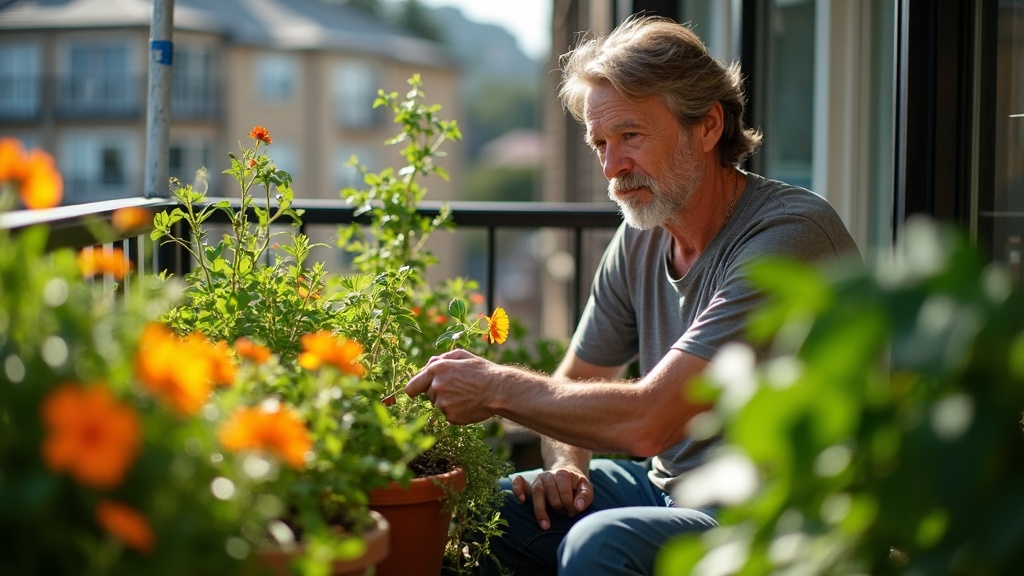
If you’ve got a sunny balcony and a few empty pots, you’re already halfway to growing your own fresh herbs. You don’t need a fancy setup or massive planters. Most apartment herbs are surprisingly happy living in small containers, and some actually prefer it that way.
The trick is choosing herbs that can handle what balconies throw at them. That means full sun beating down for hours, wind whipping around corners, and roots living in a confined space instead of sprawling garden beds. Not every herb loves these conditions, but plenty do.
This guide focuses on the tough, forgiving herbs that thrive on sunny balconies without demanding much from you. These are plants that won’t sulk if you forget to water for a day or two, won’t outgrow their pots in a week, and actually benefit from the intense sun exposure that makes other plants wilt.
Whether you’re brand new to balcony herb gardening or you’ve killed a basil plant or three, you’ll find options here that work. Some herbs are practically indestructible once they settle in. Others need a bit more attention but reward you with flavors you simply can’t buy at the store.
The best part about apartment herbs? You can start small with just one or two pots and add more as you figure out what works on your particular balcony. Every balcony gets sun and wind differently, so there’s always a little experimentation involved. But the herbs in this guide give you the best odds of success right from the start.
What makes a sunny balcony different from a garden bed
Garden beds and balconies might both get sunlight, but they’re surprisingly different environments for plants. Understanding these differences will help you pick herbs that actually enjoy life in a pot on your balcony instead of just surviving there.
The biggest challenge is how quickly containers dry out. In a garden bed, roots can spread deep and wide to find moisture. In a pot, they’re working with whatever you’ve given them. On a sunny balcony, that soil can dry out shockingly fast, especially on hot summer days. Add wind into the mix, and you’ve got a thirsty situation.
Speaking of wind, it’s usually much stronger several floors up than it is at ground level. Tall, delicate stems that would be fine in a sheltered garden can snap or get battered on an exposed balcony. This is why compact, sturdy herbs tend to do better than rangy, fragile ones.
Then there’s the heat factor. Balconies often have walls, railings, and floors that absorb and reflect sunlight. Your herbs aren’t just getting sun from above—they’re getting radiant heat bouncing back from every surface around them. For some herbs, this is like a day at the beach. For others, it’s too much.
The good news? Many Mediterranean herbs actually thrive in these conditions. They’ve evolved to handle intense sun, quick-draining soil, and dry spells. The trick is choosing plants that are naturally tough, stay reasonably compact, don’t need huge root systems, and bounce back quickly when you harvest from them. Those are your balcony herb gardening winners.
Mediterranean-style herbs that love sun and lean pots
If your balcony gets at least six hours of direct sun, you’re in perfect territory for Mediterranean herbs. These plants evolved on rocky hillsides where water drains fast and shade is scarce. That makes them surprisingly forgiving for apartment gardeners who forget to water or travel for a weekend.
Rosemary is the reliable workhorse of sunny balconies. Its woody stems stand up to wind better than delicate leafy herbs, and it actually prefers soil that dries out between waterings. A pot around 8 to 10 inches across gives the roots enough room without taking over your entire balcony. When you harvest, snip small sprigs from different parts of the plant rather than shearing one side bare.
Thyme and oregano are low-growing champions that handle heat without drama. Both do well in containers as small as 6 inches, though they’ll sprawl more happily in 8-inch pots. Their small leaves mean less surface area losing moisture, so they coast through hot afternoons that would wilt basil in minutes. Pinch the tips regularly to keep them bushy and encourage fresh growth.
Sage rounds out this sun-loving group with soft, gray-green leaves that smell incredible when you brush past them. It needs a bit more space than thyme, so aim for an 8 to 10-inch pot. Like its Mediterranean cousins, sage hates wet feet and does better slightly neglected than fussed over.
The biggest mistake with these herbs? Overwatering and rich, heavy soil. Apartment gardeners often treat them like thirsty houseplants, but that leads to root rot and sad, leggy growth. Let the soil dry out between drinks, and skip the moisture-retaining potting mixes. These tough herbs reward a little benign neglect with months of steady harvests.
Tender summer herbs that thrive with sun and steady water
Basil loves a sunny balcony. It practically begs for warmth and light, and when it gets both, it grows thick and leafy with that perfect aromatic punch. The challenge isn’t the sun itself, it’s keeping the soil moist enough to match that energy.
In a pot, basil can drink a surprising amount of water on a hot day. The smaller your container, the faster it dries out. You’ll see the leaves start to droop by midday if the roots are getting thirsty. That’s normal, and it’s actually a helpful signal. Water it well, and if the plant perks back up within an hour or two, you’ve caught it in time.
If the leaves stay limp even after watering, that’s a different problem. It usually means the roots are either sitting in soggy soil or they’ve been dry for too long. Check the top inch of soil with your finger before you water. If it feels dry, go ahead. If it’s still damp, wait a bit.
Pinching off the top sets of leaves every week or so keeps basil bushy instead of tall and spindly. It also delays flowering, which is good because once basil flowers, the leaves start to taste bitter. Just snip right above a set of leaves, and two new stems will grow from that spot.
Cilantro can work on a sunny balcony too, but it’s pickier. It bolts quickly in heat, meaning it rushes to flower and seed. If your balcony gets afternoon shade or stays a bit cooler, cilantro is worth a try. Otherwise, stick with basil. It’s more forgiving and gives you a much longer harvest window.
Hardy leafy herbs for repeat harvesting in containers
If you want herbs that keep giving without a fuss, chives, parsley, and mint are your balcony friends. These three are basically designed for container life. They bounce back after you snip them, they don’t need enormous pots, and they forgive the occasional watering mistake.
Chives are probably the easiest of the bunch. They grow in tight clumps, so even a small pot works fine. You can cut the green shoots whenever you need them, and they’ll regrow from the base within a week or two. They like full sun but won’t throw a tantrum if they get a bit of afternoon shade.
Parsley takes a little longer to get going, but once it’s established, you can harvest from it all season. Snip the outer stems near the base and leave the center alone. That’s the sweet spot. Parsley actually appreciates a break from the hottest midday sun, so if your balcony gets intense afternoon heat, tuck it behind a taller pot or near the railing where it catches morning light instead.
Mint grows like it has somewhere to be. It’s lush, fast, and incredibly productive. The catch? Keep it in its own pot. Mint will take over anything it shares space with, sending roots everywhere. A single container keeps it happy and contained. It handles full sun as long as you water it regularly, but it also does well in a slightly shadier corner if your balcony has one.
The harvesting rule for all three is simple: cut from the outside, leave the center growing. Don’t scalp them down to bare stems. That steady, gentle approach keeps them producing fresh leaves for months.
How to match herbs to your pots and balcony microclimates
Your balcony isn’t one climate. It’s a patchwork of different conditions, and understanding this makes balcony herb gardening much easier. That corner near the sliding door stays calmer and shadier in the morning. The railing gets blasted by wind and afternoon sun. The spot tucked against the building wall holds heat like a little oven.
Start by noticing where water disappears fastest. Small pots dry out quickly no matter what you plant in them, so they work best near your door where you’ll remember to water. Terracotta looks lovely but breathes moisture out through its sides, which means more frequent watering in hot weather. Plastic and glazed ceramic hold water longer. Dark-colored pots absorb more heat and can actually cook roots on a scorching afternoon, so save those for herbs that don’t mind things toasty.
Woody herbs like rosemary, thyme, and sage handle exposure beautifully. Put them in your hottest, windiest spots along the railing where other plants would crisp up. They evolved in tough Mediterranean hillsides, so a breezy balcony feels like home. Their smaller leaves don’t lose water as fast as big floppy ones.
Leafy herbs like basil, cilantro, and parsley prefer gentler conditions. Tuck them in calmer corners or under a bit of overhang where they get morning sun but afternoon shade. Keep them close to where you water most often, because they’ll let you know loudly when they’re thirsty by drooping dramatically. If your only pots are small, these leafy herbs are your best bet since you’re already checking them daily.





