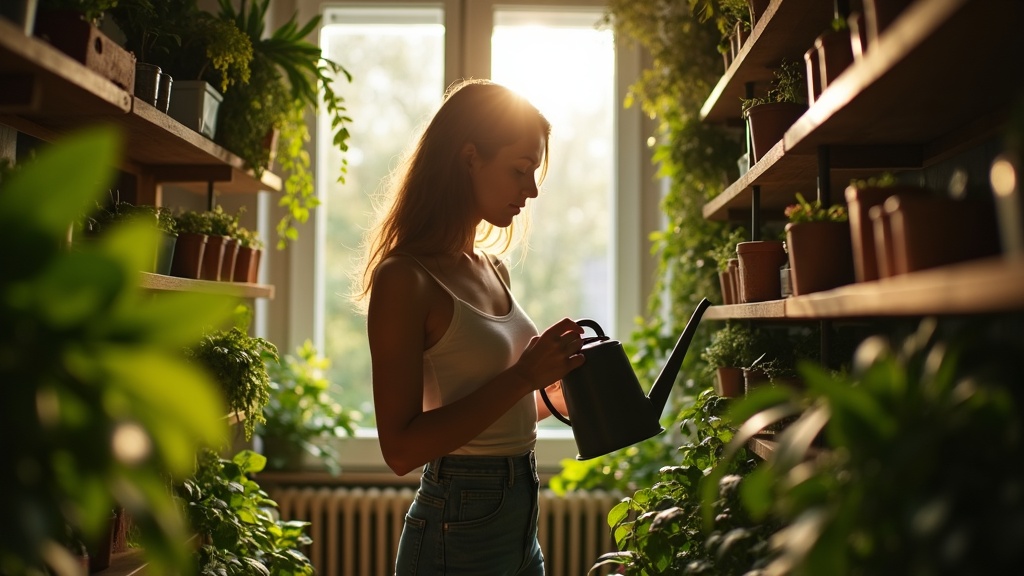
You want plants. Lots of them. But your apartment has about as much floor space as a yoga mat, and your lease says something ominous about wall damage.
Here’s the good news: apartment vertical gardening works even when you’re short on space and can’t drill holes everywhere. The trick is thinking up instead of out.
Vertical gardens let you grow herbs, flowers, and even vegetables on walls, doors, and awkward corners that aren’t doing anything useful right now. Instead of lining your windowsill with pots until there’s no room for your coffee mug, you stack plants upward using shelves, hanging systems, or freestanding frames.
The challenge for renters isn’t whether vertical gardens fit in small spaces. They do. The real questions are more practical: How do you attach things without losing your security deposit? Where do you put plants when every wall already has furniture against it? And how do you water a wall full of greenery without turning your floor into a swamp?
This guide tackles those exact problems. You’ll learn which surfaces work best when you can’t modify walls, how to choose systems your landlord won’t hate, and how to handle the watering situation before it becomes a situation. Whether you’re working with a studio apartment or just a particularly tiny bedroom, you can make apartment vertical gardening work without drama, damage, or disappointed landlords.
Pick the right spot before you buy anything
Before you fall in love with a trendy wall planter or order a dozen succulents online, spend a few days watching how light moves through your apartment. This sounds boring, but it will save you from buying plants that struggle or placing planters where they make your life harder.
Walk around with your phone and note where sunlight actually lands during the day. A spot with bright direct sun means sunlight hits that area for several hours, and you can feel the warmth on your hand. Bright indirect light means the area is well-lit but the sun doesn’t shine directly on it. Low light is what you get in a corner far from windows or in a hallway. Most apartment vertical gardening happens in bright indirect spots, so look near windows but not right in the sun’s path.
Next, think about the practical stuff. Can you reach the spot easily with a watering can? If you need a step stool every time, you’ll eventually stop watering. Is there airflow, or is it tucked into a dead-air corner where mold might become a problem? And here’s the big one for renters: what happens when water drips?
Scout small space garden ideas that work with what you already have. The wall beside your kitchen window might be perfect. The space above a bookshelf or utility cart gives you vertical room without taking up floor space. Even the side of a tall dresser near a balcony door can work. You’re looking for spots that fit into your life, not areas that require you to rearrange everything or risk your security deposit.
Work with apartment rules and wall limits
Before you buy a single planter, grab your lease and skim through the sections about modifications and fixtures. Most rental agreements spell out what you can and can’t attach to walls. Some landlords are totally fine with small nail holes. Others treat every puncture like a cardinal sin.
The safest bet is to assume your walls are off-limits for drilling or heavy-duty anchors. That doesn’t mean you’re stuck with sad windowsill pots. It just means you need to get creative with how your garden stands up.
Tension poles are your best friend here. They wedge between floor and ceiling without leaving a mark, and you can hang lightweight planters from them using S-hooks. Over-the-door racks work beautifully if you have a sturdy door that doesn’t get slammed constantly. Leaning ladder shelves give you vertical space without requiring any hardware at all.
Freestanding plant frames or folding trellises are another solid option. They look intentional, hold a decent amount of greenery, and you can take them with you when you move.
Adhesive hooks and strips sound tempting, but they’re hit or miss. They work well on some paint finishes and peel off cleanly. On others, they take chunks of drywall with them. Test one in a hidden spot first, like inside a closet, before you trust them with your whole setup.
Take photos of your walls before you install anything. Wide shots, close-ups, the works. If there’s ever a question about what damage was already there, you’ll have proof. And if your building has specific rules about balconies or shared hallways, double-check those too. Some places get picky about what’s visible from the street or how much weight you can put on a balcony railing.
Choose a vertical garden style that fits your space and tolerance for mess
Not all vertical gardens are created equal. Some are light, portable, and easy to move when your landlord schedules an inspection. Others feel more committed, heavier, and trickier to water without making a puddle.
Wall-adjacent shelving with trays is probably the safest bet for most renters. You lean a bookshelf or ladder-style shelf against the wall, add waterproof trays on each tier, and drop your pots into those. Nothing touches the wall directly. The trays catch drips. You can move the whole setup if you need to, though it’s not exactly light once you load it with soil and plants.
Hanging rails with lightweight pots work well if you have a curtain rod or tension rod already in place. You hang small pots with S-hooks or clips. This keeps things off the floor and makes watering easier since you can lift each pot down. Just keep the pots small so the rod doesn’t sag or pull away from the wall.
Pocket planters made from fabric or felt are popular for apartment vertical gardening because they’re soft, foldable, and weigh almost nothing when empty. You can hang them on a command hook or drape them over a free-standing frame. The downside is that watering gets messy fast since water seeps through the fabric. Put a tray underneath or plan to water them in the bathtub.
Magnetic or suction planters stick to fridges, metal boards, or smooth tiles without any drilling. They’re cute and movable, but they only hold tiny plants and need frequent watering since the pots are so small. Think herbs or succulents, not tomatoes.
If you want maximum flexibility, a rolling cart with tiers gives you a compact garden solution that you can wheel around to follow the light or tuck into a corner when guests come over. It’s not technically a wall garden, but it goes vertical without asking permission from anyone.
Plan for watering and drainage like you live indoors (because you do)
Here’s the thing nobody tells you about apartment vertical gardening: the water has to go somewhere. And that somewhere cannot be your carpet, your neighbor’s ceiling, or slowly rotting the drywall behind your beautiful living wall.
Start with good saucers or drip trays under every single planter. Not the flimsy plastic ones that crack after two months. Get sturdy trays that can actually hold water without flexing. If you’re hanging planters on the wall, use ones with built-in catch basins or add waterproof liners. Your landlord will thank you, and your security deposit will stay intact.
The smarter move is taking your plants to the sink or shower when it’s watering day. Yes, it’s a bit of work, but you can water thoroughly without worrying about spills. Let them drain completely before hanging them back up. We’re talking ten to fifteen minutes of dripping, not just a quick pause.
If moving plants isn’t practical, water slowly with a small watering can or squeeze bottle. Bottom watering works well too. Set pots in a tray of water and let them soak it up from below. Less splashing, more control.
Keep absorbent mats under your vertical garden setup, especially if it’s on hardwood or laminate. They catch the drips you didn’t see coming and dry out between waterings.
Watch for signs you’re overdoing it. Musty smells, soft spots on leaves, or visible moisture on walls means things are too wet. Crack a window occasionally. Air circulation prevents mold from setting up camp in your tiny jungle. If your bathroom mirror fogs up every time you water, you need more airflow, not less water necessarily, but definitely better ventilation.
Pick plants that match your light and your patience
The biggest mistake new vertical gardeners make is falling in love with a plant before checking if their apartment can actually keep it alive. Start by being honest about your light situation. Stand where you want to hang your vertical garden and look at the window. Does direct sun hit that spot for a few hours a day? That’s bright light, and you can grow herbs like basil, thyme, or even cherry tomatoes there.
If the spot gets plenty of daylight but no direct sun beams, you’re working with bright indirect light. This is actually ideal for most apartment vertical gardening. Pothos, philodendrons, and spider plants thrive here. They trail beautifully downward, which looks great on a vertical setup and means they don’t crowd neighboring plants.
Lower light spots exist in most apartments, usually on walls opposite windows or in corners. A few plants tolerate this, like certain pothos varieties and snake plants, but growth will be slow. That’s not necessarily bad for a vertical garden where you don’t want things getting unruly.
Now think about your watering style. Herbs and edible plants need consistent moisture and will drip more when you water them, which matters when they’re hanging on your wall. Succulents need infrequent watering but often want more light than apartments offer. Pothos and philodendrons sit in a sweet spot: they tolerate some neglect and don’t need daily attention.
Pay attention to growth habit too. Trailing plants work vertically because gravity does the styling for you. Upright plants can work but may need more root space, which means heavier pots. Heavier pots need sturdier mounting, and suddenly your simple project gets complicated. Start with lightweight trailers and build from there.
Keep it safe: weight, stability, and rental-friendly maintenance
The last thing you want is a vertical garden crashing down at three in the morning. Heavy pots belong near the bottom of any structure, not perched up high where they can tip forward. If you’re using a freestanding shelf or ladder-style planter, put your biggest, weightiest plants on the lower rungs. This keeps the center of gravity low and makes the whole setup much more stable.
Freestanding units should sit flat against the wall, but don’t assume that’s enough. A quick bump from a vacuum cleaner or an enthusiastic guest can send things wobbling. Use furniture straps or earthquake-proof anchors that stick to the wall without drilling. They’re designed for renters and peel off cleanly when you move out.
Protect your walls from water damage and scuff marks by keeping a small gap between planters and the wall itself. Use cork pads, felt furniture protectors, or even folded washcloths behind anything that touches paint. Check saucers and trays weekly for leaks. Even a slow drip can stain walls or seep into flooring, and that’s a fast way to lose your security deposit.
Rotate your plants every couple of weeks so all sides get some light. This keeps growth even and prevents them from leaning awkwardly toward the window. While you’re at it, wipe down shelves and trays to stop grime from building up.
Bugs are inevitable with indoor plants, but you don’t want them becoming your neighbor’s problem. Quarantine any new plant for a week or two before adding it to your setup. Keep an eye on the soil surface and under leaves. If you spot tiny critters early, a quick rinse in the sink or a spray of water usually handles it before things get serious.
Make it look intentional in a tiny room
The difference between a vertical garden and a messy pile of plants is usually just a bit of planning. When you’re working with limited space, every choice shows. The good news is that a few simple tricks can make your setup look like it belongs there.
Start by picking one spot to be your main plant area. A corner of the kitchen, the side of a bookshelf, or a blank wall near the entryway all work well. Spreading plants across multiple walls makes a small room feel even more crowded. One focused display draws the eye and actually makes the space feel bigger.
Stick with pots or planters that match in style or color. They don’t need to be identical, but keeping them in the same family helps everything look cohesive instead of random. If you’re using wall-mounted planters, try to line them up vertically. That upward line naturally makes your ceiling feel higher.
You don’t need twenty different plant types to make an impact. Three to five varieties that you repeat throughout your display will look more intentional than a chaotic mix. Plus, it’s easier to remember what each one needs.
Think about sunlight early, but don’t block your whole window. Position taller plants or hanging planters to one side so light can still reach into the room. Sheer curtains give you privacy while letting enough light through for most indoor plants. If your vertical garden blocks part of a window, make sure it’s the part you weren’t using for the view anyway.
Keep your pathways clear. In a tiny apartment, you need to move around without brushing against plants every time you walk by. A vertical garden should hug the wall, not sprawl into your living space.